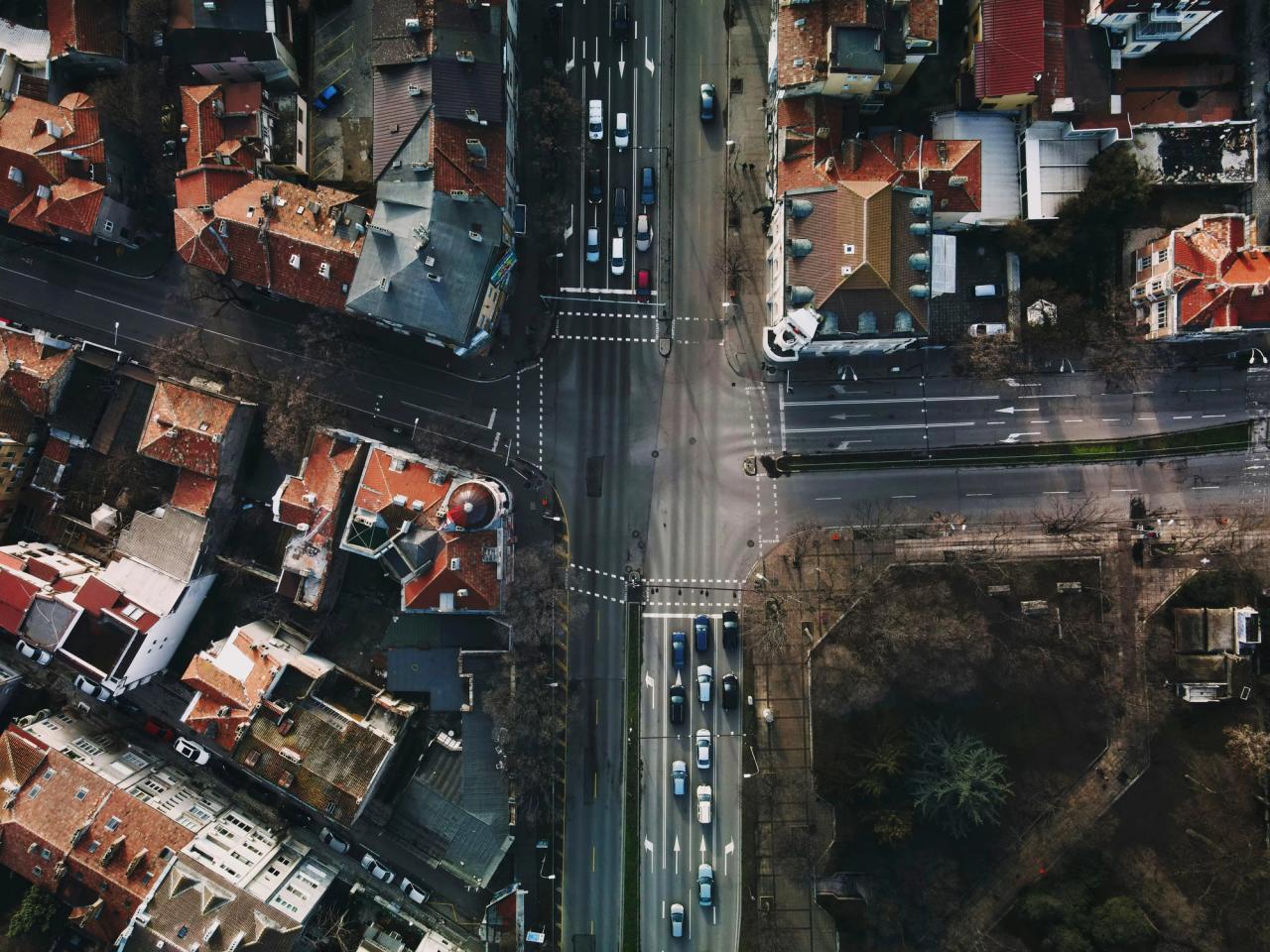

Varna is de derde stad van Bulgarije en haar onbetwiste Zeehoofdstad, die zich uitstrekt langs de Zwarte-Zeekust met zandstranden, het iconische Sea Garden-park en een ontspannen maritieme sfeer die expats aantrekt die op zoek zijn naar betaalbaar wonen aan de kust in Zuidoost-Europa. De stad is geschikt voor digitale nomaden die een goedkope thuisbasis zoeken met betrouwbare internetverbinding, gepensioneerden die zich aangetrokken voelen tot zonneschijn en een rustiger tempo, gezinnen die veilige buurten dicht bij de zee zoeken, en remote workers die worden aangetrokken door Bulgarijes vlakke inkomstenbelasting van 10%. Met een groeiende expatgemeenschap het hele jaar door, een door universiteiten gedreven cultureel leven en zomertoerisme dat de stad van mei tot en met september energie geeft, combineert Varna kustcharme met een praktische betaalbaarheid die West-Europese kuststeden simpelweg niet kunnen evenaren.
De stad heeft zich vele keren opnieuw uitgevonden — van een Thracische handelspost naar een Romeinse badplaats, een Ottomaanse haven en een modern Bulgaars cultureel centrum. Vandaag de dag balanceert de stad deze gelaagde geschiedenis met een vooruitstrevende economie gedreven door toerisme, scheepvaart, onderwijs en een opkomende technologiesector.
Varna in een oogopslag

- Bevolking
- ~319.000 (agglomeratie ~417.000)
- Regio
- Provincie Varna, noordoost-Bulgarije
- Bekend om
- Zwarte-Zeestranden, Sea Garden, zomertoerisme, Archeologisch Museum
- Gemiddelde huur (1-slaapkamer)
- 650-1.100 BGN (~EUR 330-EUR 560)
- Gemiddeld salaris
- ~1.800-2.200 BGN/maand netto (~EUR 920-EUR 1.120)
- Munteenheid
- Bulgaarse lev (BGN); 1 EUR = 1.95583 BGN
- Expatgemeenschap
- Gemiddeld; groeiende aanwezigheid van Britten, Russen, Oekraïners en digitale nomaden
- Taal
- Bulgaars; Engels wordt veel gesproken in het centrum en onder jongere inwoners
Waarom verhuizen naar Varna
- Kustlevensstijl: Het hele jaar door toegang tot stranden, boulevards langs zee en watersporten zonder het prijskaartje van de Franse of Italiaanse Rivièra. Het stadsstrand is gratis en op loopafstand van de meeste centrale appartementen.
- Lage kosten van levensonderhoud: Boodschappen, huur en uit eten gaan zijn aanzienlijk goedkoper dan in de meeste EU-hoofdsteden. Een alleenstaande kan er goed leven voor minder dan 2.400 BGN (~EUR 1.230) per maand.
- Mild klimaat: Meer dan 2.200 uur zonneschijn per jaar, warme zomers (gem. 26 °C in juli) en relatief milde winters vergeleken met het binnenland van Bulgarije. Sneeuw is zeldzaam en van korte duur.
- Compact en loopvriendelijk: De meeste dagelijkse behoeften zijn op loopafstand in het stadscentrum. Het Sea Garden verbindt het strand met het centrum te voet in ongeveer 15 minuten.
- Universiteitsleven: De universiteiten van Varna brengen een jeugdige sfeer, culturele evenementen, internationale studenten en talenscholen die de integratie voor nieuwkomers vergemakkelijken.
- Veilige omgeving: Gewelddadige criminaliteit is zeldzaam en de stad voelt comfortabel om op de meeste tijden door te wandelen.
- Poort naar de kust: Varna is een natuurlijke uitvalsbasis voor het verkennen van de noordelijke Zwarte-Zeeresorts van Bulgarije — Golden Sands, St. Constantine and Elena en Balchik liggen allemaal binnen 30-45 minuten per bus of auto.
Woning zoeken in Varna
Gemiddelde huren
| Buurt | 1-Slaapkamer | 3-Slaapkamers | Karakter |
|---|---|---|---|
| Centrum (Градинки) | 900-1.300 BGN | 1.500-2.200 BGN | Loopvriendelijk, dicht bij winkels, restaurants en de haven |
| Sea Garden / Primorski | 900-1.300 BGN | 1.600-2.200 BGN | Groen, rustig, op loopafstand van het strand |
| Chayka | 600-900 BGN | 1.100-1.600 BGN | Woonwijk, betaalbaar, vlakbij de universiteitscampus |
| Asparuhovo | 550-850 BGN | 950-1.500 BGN | Ten zuiden van de baai, budgetvriendelijk, gezinsgericht |
| Mladost | 550-850 BGN | 1.000-1.500 BGN | Moderne appartementencomplexen, supermarkten, goede busverbindingen |
| Vinitsa | 500-750 BGN | 800-1.300 BGN | Noordelijke buitenwijk, rustig, populair bij gezinnen |
| Galata | 500-750 BGN | 800-1.300 BGN | Dorpsgevoel aan de zuidkant van de baai, uitzicht op zee, auto aanbevolen |
Woning zoeken
- Imot.bg: Het grootste Bulgaarse vastgoedportaal. De meeste advertenties zijn in het Bulgaars, dus gebruik een browservertaler of vraag een lokale bekende om hulp.
- olx.bg: Marktplaats waar verhuurders direct advertenties plaatsen. Handig om deals te vinden zonder makelaarskosten.
- Facebook-groepen: Zoek naar "Varna Apartments for Rent", "Varna Expats" of "Квартири Варна". Verhuurders plaatsen regelmatig beschikbare woningen en reacties zijn meestal snel.
- Lokale makelaars: De courtage bedraagt meestal één maand huur. Handig als je geen Bulgaars spreekt — makelaars regelen de contractvertaling, onderhandeling en sleuteloverdracht.
- Persoonlijk langsgaan: Sommige oudere gebouwen in het centrum en in Chayka adverteren nog met bordjes aan ramen of deuren. Door een gewenste woonwijk te voet te verkennen en de vermelde telefoonnummers te bellen, kun je aanbod vinden dat niet online staat.
Tips voor expats
- Ga altijd zelf kijken voordat je tekent; foto's in advertenties kunnen verouderd of misleidend zijn.
- Onderhandel — bij de vraagprijs zit vaak 5-10% speelruimte, zeker buiten het hoogseizoen wanneer de vraag afneemt.
- Controleer het type verwarming: centrale verwarming is hier minder gebruikelijk dan in Sofia. Veel appartementen gebruiken elektrische radiatoren of luchtwarmtepompen, wat de elektriciteitsrekening in de winter kan opdrijven.
- Lees het contract zorgvuldig door. Standaardcontracten lopen 12 maanden met een borg ter waarde van één of twee maanden huur.
- Vraag naar de nutsvoorzieningskosten voordat je tekent. Oudere gebouwen kunnen slecht geïsoleerd zijn.
- Vermijd het huren zonder bezichtiging in de zomer, wanneer verhuurders prioriteit geven aan kortetermijnverhuur aan toeristen.
- Overweeg een lokale vertaler in te schakelen bij de eerste contractondertekening als je Bulgaars beperkt is.
Wijkengids
- Centrum: Ideaal voor nieuwkomers die alles om de hoek willen — cafés, bars, de Kathedraal van de Maria-Hemelvaart en de haven. De huren zijn redelijk naar Bulgaarse stedelijke maatstaven, en de meeste boodschappen zijn te voet te doen. Het gebied rond de autovrije hoofdstraat (Bul. Knyaz Boris I) is het levendigst.
- Sea Garden / Primorski: Ideaal voor strandliefhebbers en hardlopers. Het park is een 8 km lange groene corridor langs de kust met speeltuinen, sportvoorzieningen en terrasjes. Rustiger in de winter, levendig van mei tot september. De hogere huren weerspiegelen de ligging vlakbij zee.
- Chayka: Universiteitswijk met betaalbare huren, studentvriendelijk nachtleven en snelle busverbindingen naar het centrum. Een goede keuze voor jonge professionals met een beperkt budget. De wijk heeft verschillende kleine parken en supermarkten op loopafstand.
- Asparuhovo: Verbonden via de Asparuhovbrug en biedt de laagste huren met een ontspannen dorpsgevoel in de stad. Het strand is dichtbij en minder druk. Het nadeel is een langere busrit naar het centrum (20-30 min).
- Mladost: Grote woonwijk ten oosten van het centrum met moderne appartementencomplexen, supermarkten en directe buslijnen. Praktisch voor gezinnen en iedereen die gemak belangrijker vindt dan charme. Er zijn verschillende winkelcentra in de buurt.
- Vinitsa: Noordelijke buitenwijk, populair bij gezinnen die op zoek zijn naar ruimte en groen. De reistijd naar het centrum is langer (25-35 min met de bus), maar het gebied is rustig en schilderachtig met uitzicht op de baai. Nieuwere projecten bieden grotere appartementen tegen concurrerende prijzen.
- Galata: Een rustige, heuvelachtige wijk ten zuiden van de baai, bereikbaar via de Asparuhovbrug. Populair bij expats die zeezicht en een dorpsgezelligheid willen zonder de drukte van het centrum. De huren behoren tot de laagste van de stad, maar je hebt een auto nodig of bent aangewezen op onregelmatige busdiensten. Het gebied heeft een uitgesproken gemeenschapsgevoel met lokale winkels en een klein strand.
Levenskosten in Varna
Maandelijks budgetoverzicht
| Categorie | Budgetrange (BGN) | Budgetrange (EUR) |
|---|---|---|
| Huur (1-slaapkamer, centrum) | 900-1.300 | 460-660 |
| Vaste lasten (elektriciteit, water, verwarming) | 150-250 | 75-130 |
| Internetverbinding (100+ Mbps) | 25-40 | 13-20 |
| Boodschappen | 400-600 | 200-310 |
| Vervoer (busabonnement) | 50-60 | 26-31 |
| Uit eten (4x/maand) | 120-200 | 60-100 |
| Vrije tijd/Sportschool | 60-100 | 31-51 |
| Totaal | 1.685-2.540 | ~EUR 860-EUR 1.300 |
Dagelijkse kosten
- Koffie (cappuccino): 3,50-5 BGN (~EUR 1,80-EUR 2,50)
- Lunch (informeel restaurant): 12-18 BGN (~EUR 6-EUR 9)
- Maandelijks vervoersabonnement: 50 BGN (~EUR 26)
- Bier (café, 500 ml): 4-6 BGN (~EUR 2-EUR 3)
- Bioscoopkaartje: 15-18 BGN (~EUR 7,50-EUR 9)
- Sportschoolabonnement (maandelijks): 60-90 BGN (~EUR 30-EUR 46)
- 1 liter melk: 2,50-3,00 BGN (~EUR 1,30-EUR 1,50)
- Brood: 1,50-2,50 BGN (~EUR 0,75-EUR 1,30)
Boodschappen doen
- Kaufland, Lidl en Billa zijn de belangrijkste supermarktketens — de prijzen zijn concurrerend en de vestigingen zijn verspreid over alle wijken.
- Lokale markten (pazari): De Centrale Markthal bij de haven en wijkmarkten in de buitenlucht bieden goedkopere verse groenten en fruit, kaas en honing. Afdingen is ongebruikelijk, maar de prijzen zijn van nature lager dan in supermarkten voor seizoensfruit en -groenten.
- Kwaliteit van landbouwproducten: Bulgaarse tomaten, komkommers, paprika's en yoghurt zijn opvallend van betere kwaliteit dan de equivalente producten in West-Europese supermarkten — een veelgehoorde opmerking onder expats.
Bankieren en geld
- Een rekening openen: UniCredit Bulbank en DSK Bank zijn de populairste keuzes. Je hebt je paspoort nodig (of identiteitskaart voor EU-burgers), een adresregistratie en soms een bewijs van dienstverband. Rekeningen kunnen binnen een dag worden geopend. De maandelijkse kosten zijn minimaal (2-5 BGN).
- Pinautomaten en kaarten: Pinautomaten zijn overal in het centrum te vinden. Betalen met pinpas (Visa, Mastercard) wordt geaccepteerd bij de meeste winkels, restaurants en supermarkten. Kleinere verkopers, marktkraampjes en sommige traditionele mehana's zijn mogelijk alleen contant.
- Geld overmaken: Wise (TransferWise) en Revolut werken goed voor internationale overboekingen. Lokale bankoverschrijvingen binnen Bulgarije zijn gratis of erg goedkoop.
Je verplaatsen in Varna
- Openbaar vervoer: Het stadsbusnet dekt het centrum en de buitenwijken. Enkele kaartjes kosten 2 BGN (~EUR 1). Een maandabonnement kost ongeveer 50 BGN. Bussen kunnen druk zijn tijdens de spits, maar zijn over het algemeen betrouwbaar. Het belangrijkste busknooppunt ligt bij de Kathedraal, met routes naar alle grote wijken. De dienstregeling loopt van ongeveer 05:30 tot 23:00 uur. Trolleybussen vullen het busnet aan op een paar centrale routes.
- Taxi's: Taxi's met meter zijn betaalbaar — een rit door de stad kost doorgaans 5-10 BGN. Gebruik apps zoals TaxiMe of Yellow Taxi om te veel betalen te voorkomen. In de zomer een taxi op straat aanhouden kan leiden tot opgeblazen prijzen bij het strand. Controleer altijd of de chauffeur de meter start.
- Ride-hailing: Bolt is actief in Varna en populair bij jongere bewoners en expats. De prijzen zijn vergelijkbaar met taxi's en de app regelt de betaling, wat problemen met contant geld en taalbarrières vermindert.
- Fietsen: Vlakke kustwegen en de Zeetuin maken fietsen in warmere maanden haalbaar, hoewel speciale fietspaden buiten het parkgebied nog beperkt zijn. Fietsverhuur is in de zomer beschikbaar langs het strand voor ongeveer 10-15 BGN per uur. Sommige expats kopen tweedehands fietsen voor 100-200 BGN via Facebook-groepen.
- Autorijden: Het verkeer is buiten de zomer goed behapbaar. Parkeren in het centrum is betaald; gratis plekken zijn makkelijker te vinden in de buitenwijken. Brandstofkosten zijn lager dan in West-Europa. Een Bulgaarse vignette (e-vignette) is verplicht voor snelwegen — koop deze online op bgtoll.bg. Internationale rijbewijzen worden het eerste jaar geaccepteerd.
- Luchthaven: Luchthaven Varna (VAR) ligt op 8 km van het centrum. Er zijn seizoensgebonden en het hele jaar door vluchten naar Sofia, Londen, Berlijn, Wenen en andere Europese knooppunten. Budgetmaatschappijen zoals Wizz Air en Ryanair bedienen verschillende routes. Een taxi naar de luchthaven kost ongeveer 15-20 BGN. Buslijn 40 verbindt de luchthaven met het centrum voor 2 BGN.
- Intercity: Bussen naar Sofia (~6 uur), Burgas (~2 uur) en Boekarest (~4 uur) vertrekken regelmatig vanaf het centrale busstation. De bus is sneller en betrouwbaarder dan de trein, hoewel treinen schilderachtige kustroutes naar Burgas bieden. FlixBus verbindt Varna ook met meerdere Europese steden.
Gezondheidszorg in Varna
- Ziekenhuizen/Klinieken: Het Universiteitsziekenhuis Varna (St. Marina) is de grootste openbare instelling en een belangrijk academisch ziekenhuis met een breed scala aan specialismen. Privéklinieken zoals St. Anna en Medica bieden snellere service met Engelstalig personeel en moderne apparatuur. Wachttijden bij privéklinieken bedragen doorgaans minder dan 30 minuten voor afspraken zonder reservering.
- Engelstalige artsen: Beschikbaar bij privéklinieken, vooral bij klinieken die zich op toeristen en expats richten. Tandheelkundige zorg is van hoge kwaliteit en aanzienlijk goedkoper dan in West-Europa — veel expats en medische toeristen plannen regulier tandheelkundig werk in Varna. Een gebitsreiniging kost ongeveer 40-70 BGN; vullingen kosten 60-120 BGN.
- Apotheken: Ruim beschikbaar in de hele stad, met minstens twee of drie in elke wijk. Vele zijn lang open of 24 uur in het centrum. Receptvereisten zijn soepeler dan in veel EU-landen; sommige medicijnen die elders alleen op recept verkrijgbaar zijn, worden hier vrij verkocht. Veelvoorkomende ketens zijn Sopharmacy en Remedium.
- Alarmnummer: 112 (EU-breed). De responstijden van ambulances binnen de stad zijn redelijk, meestal onder de 15 minuten.
- Zorgverzekering: EU-burgers kunnen de EHIC gebruiken voor tijdelijke dekking. Langetermijnbewoners moeten zich inschrijven voor de nationale zorgverzekering (NHIF) of een particuliere verzekering afsluiten. Particuliere zorgverzekeringen bij lokale aanbieders kosten ongeveer 30-80 BGN per maand, afhankelijk van het dekkingsniveau en de leeftijd.
Krijg een persoonlijk verhuisplan
Laat je e-mailadres achter en we sturen een checklist op maat plus drie offertes van gecontroleerde verhuizers.
Connectiviteit en internet
- Thuisinternet: Glasvezelverbindingen zijn ruim beschikbaar in het centrum en in nieuwere appartementsgebouwen. Aanbieders zoals A1, Yettel en Vivacom bieden pakketten vanaf 25-40 BGN/maand voor 100+ Mbps. Snelheden van 300 Mbps zijn beschikbaar in goed aangesloten gebieden.
- Mobiel internet: 4G-dekking is solide in de hele stad. 5G breidt zich uit maar is nog niet overal beschikbaar. Prepaid-simkaarten van A1, Yettel of Vivacom beginnen bij 10-15 BGN/maand met ruime databundels (10-20 GB).
- Wi-Fi-beschikbaarheid: De meeste cafés, restaurants en coworking spaces bieden gratis Wi-Fi. De Zeetuin heeft af en toe openbaar Wi-Fi in de buurt van de belangrijkste bezienswaardigheden. Coworking spaces bieden de meest betrouwbare verbindingen voor videogesprekken en grote uploads.
- Stroom en storingen: De elektriciteitsvoorziening is stabiel. Af en toe kunnen zomerse onweersbuien korte storingen veroorzaken in de buitenwijken, maar het centrum wordt zelden getroffen. Een UPS (uninterruptible power supply) is een waardevolle investering voor werknemers op afstand in buitenwijken.
Cultuur & levensstijl
- De Zeetuin: Het kroonjuweel van de stad — een uitgestrekt park langs zee dat 8 km langs de kust loopt. Het biedt speeltuinen, het Varna Aquarium, een planetarium, openlucht concertpodia, sportvelden en directe toegang tot het strand. Zowel locals als expats brengen zomeravonden door met wandelen, joggen of ontspannen in de schaduwrijke laantjes. In de winter blijft het park een aangename wandelroute, hoewel veel seizoensgebonden cafés sluiten.
- Stranden: Het hoofdstrand van Varna is gratis en centraal gelegen, met ligbed- en parapluverhuur voor 10-15 BGN per set in de zomer. South Beach (bij de haven) is meestal rustiger. Voor meer afgelegen opties gaan locals naar Fichoza of Pasha Dere, een korte rit naar het zuiden.
- Zomerfestivals: Varna organiseert het prestigieuze Internationale Balletconcours (een van de oudste ter wereld), het Varna Summer International Theatre Festival, Opera Open en talloze muziekfestivals tussen juni en september. De stad transformeert in de zomermaanden — overal in de Zeetuin en langs het strand verschijnen openluchtpodia.
- Nachtleven: Geconcentreerd langs de strandboulevard en in het centrum. Variërend van ontspannen cocktailbars tot openlucht beachclubs die pieken in juli en augustus. Buiten het seizoen verschuift het nachtleven naar gezelligere wijnbars en livemusic-locaties in het centrum. Populaire plekken zijn onder andere Menthol, Xtravagant en de strandbars bij Rappongi Beach.
- Musea en geschiedenis: Het Archeologisch Museum herbergt enkele van de oudste goudartefacten ter wereld — de schat van de Necropolis van Varna dateert van ongeveer 4.500 v.Chr., wat het een van de oudste bewerkte goudvondsten ter wereld maakt. De ruïnes van de Romeinse Thermen (openbare baden) in het centrum zijn ook een bezoek waard, evenals het Scheepvaartmuseum voor wie geïnteresseerd is in Bulgarijes maritieme erfgoed.
Eten & uitgaan
- Probeer de lokale zeevruchten — Zwarte Zee-mosselen, gegrilde tarbot en de Bulgaarse klassieker shopska-salade (tomaten, komkommers, paprika's en geraspte sirene-kaas). Een andere must-try is tarator, een koude yoghurt-komkomersoep, perfect voor hete zomerdagen.
- Het havengebied en de boulevard langs de Zeetuin hebben de beste restaurants aan zee met uitzicht op zee en verse vis. Populaire keuzes zijn vis-mehana's (traditionele taveernes) bij de haven en moderne bistro's aan de Primorski-strip.
- Budgetmaaltijden: een volledige lunch in een buurtrestaurant kost 12-18 BGN (~EUR 6-EUR 9). Veel restaurants bieden een dagelijks lunchmenu (обедно меню) aan — soep plus hoofdgerecht voor 10-15 BGN.
- Voor wie uit wil pakken: chique restaurants in het centrum serveren meergangenmaaltijden voor 40-60 BGN per persoon (~EUR 20-EUR 30). De wijnkaarten bieden uitstekende Bulgaarse wijnen uit de Thracian Valley- en Melnik-regio's voor een fractie van de West-Europese prijzen.
- Straatvoedsel zoals döner kebap en banitsa (deegblad met kaas) is goedkoop, vullend en overal te vinden. Een banitsa plus ayran (yoghurtdrank) bij een bakker kost 3-5 BGN en is een klassiek Bulgaars ontbijt.
- De koffiecultuur is sterk — het caféaanbod in Varna kan concurreren met dat van grotere Bulgaarse steden, met speciaalbranders die sinds 2020 in het centrum verschijnen. Reken op 3-6 BGN voor een pour-over of flat white bij speciaalzaken.
Expatsgemeenschap
- Actieve Facebook- en Meetup-groepen voor internationals in Varna, waaronder "Varna Expats" en "Foreigners in Varna." Nieuwkomers krijgen vaak binnen enkele uren reacties op hun voorstelberichten.
- Taaluitwisselingscafés en tandemprogramma's worden georganiseerd via de universiteiten en privétaalscholen. Bulgaars–Engelse tandems zijn het meest voorkomend, maar Duitse en Russische uitwisselingen zijn ook beschikbaar.
- Verschillende coworkingruimtes richten zich op digital nomads, vooral in de zomermaanden wanneer de nomadenpopulatie toeneemt. Hive en diverse coworking-pop-ups aan het strand zijn geopend van mei tot september. Maandelijkse hot-desk-tarieven variëren van 180-400 BGN.
- De Britse en Russische expatgemeenschappen zijn het meest gevestigd; de Oekraïense gemeenschap is aanzienlijk gegroeid sinds 2022. Een kleinere maar zichtbare Duitse en Franse aanwezigheid ontstaat rond de IT- en onderwijssectoren.
- Sportgemeenschappen: hardloopgroepen langs het Zeepark, beachvolleybalcompetities en openwaterzwemgroepen zijn populaire manieren om zowel locals als expats te ontmoeten in de zomer. CrossFit- en yogastudio's zijn ook populaire ontmoetingsplekken geworden voor de internationale gemeenschap.
Arbeidsmarkt in Varna
- Belangrijkste sectoren: toerisme en horeca, scheepvaart en havenlogistiek, IT en outsourcing, hoger onderwijs, detailhandel en vastgoed. De IT-sector is gestaag gegroeid, met verschillende outsourcingbedrijven en softwarebedrijven die kantoren in Varna hebben geopend om te profiteren van lagere exploitatiekosten en instroom van universitair talent.
- Belangrijke werkgevers: Haven van Varna, Transpress Logistics, diverse BPO- en IT-bedrijven (waaronder vestigingen van Accedia en ScaleFocus), universiteitsziekenhuizen en seizoensgebonden horecaketens langs de kust.
- Gemiddelde salarissen per sector:
| Werksector | Maandelijks netto (BGN) |
|---|---|
| IT / software | 2.500-4.500 |
| Horeca (seizoen) | 1.200-2.000 |
| Onderwijs | 1.400-2.000 |
| Gezondheidszorg | 1.600-2.500 |
| Detailhandel / Diensten | 1.000-1.500 |
| Scheepvaart / Logistiek | 1.500-2.500 |
- Vacaturebanken: jobs.bg en zaplata.bg zijn de belangrijkste Bulgaarse vacaturesites. LinkedIn wordt veel gebruikt voor professionele functies. Lokale Facebook-groepen plaatsen vanaf april ook seizoensgebonden horecavacatures. De Varna-afdeling van de Bulgaarse Kamer van Koophandel plaatst af en toe zakelijke kansen voor expats die een klein bedrijf willen starten.
- Freelancen: Bulgarijes vlakke inkomstenbelasting van 10% maakt het aantrekkelijk voor freelancers. Je moet je registreren als eenmanszaak (Едноличен търговец) of een klein bedrijf oprichten. Accountants die bekend zijn met freelancerregistratie rekenen ongeveer 100-200 BGN per maand voor boekhouding.
- Seizoenswerk: het zomertoerisme zorgt voor een sterke toename van de vraag naar horecapersoneel, entertainers en strandwerkers van mei tot september. De lonen zijn concurrerend naar Bulgaarse maatstaven, en veel werkgevers bieden huisvesting aan voor seizoenswerkers.
- Engels doceren: het hele jaar door is er vraag naar Engelstalige docenten en leraren, via taalscholen en privélessen. Een TEFL- of CELTA-certificaat vergroot je mogelijkheden. Tarieven voor privélessen variëren van 20-40 BGN per uur.
Onderwijs in Varna
- Internationale scholen: de mogelijkheden zijn beperkter dan in Sofia. Een paar particuliere tweetalige kleuterscholen en basisscholen zijn actief in de stad. Gezinnen met oudere kinderen kiezen soms voor thuisonderwijs of schrijven hun kinderen in voor online internationale leergangen. De Varna British School en diverse Montessori-kleuterscholen zijn de populairste opties voor jonge kinderen onder expatgezinnen.
- Universiteiten: Varna is een belangrijk academisch knooppunt. Belangrijke instellingen zijn de University of Economics Varna, Medical University Varna (populair bij internationale geneeskundestudenten, met name uit India, het VK en Duitsland), Technical University of Varna en Varna Free University. Samen herbergen ze duizenden internationale studenten uit meer dan 50 landen. Het Engelstalige programma van de medische universiteit is een grote trekpleister.
- Taalonderwijs: cursussen Bulgaars voor buitenlanders zijn beschikbaar bij de universiteiten en privétaalscholen. Ook cursussen Engels, Duits en Russisch worden veel aangeboden, voor zowel kinderen als volwassenen. Maandelijkse cursuskosten voor groepslessen Bulgaars bedragen 100-200 BGN.
Verhuischecklist voor Varna
- Controleer de visum- en verblijfsvergunningvereisten voor jouw nationaliteit (EU-burgers hoeven zich alleen na aankomst te registreren)
- Zorg voor tijdelijke huisvesting (Airbnb of een kortlopende huur voor de eerste 1-2 weken)
- Verzamel gelegaliseerde documenten: geboorteakte, diploma, strafbladverklaring
- Onderzoek zorgverzekeringsmogelijkheden — EU-burgers kunnen tijdelijk de EHIC gebruiken
- Download vertaal-apps (Google Translate met offline Bulgaars pakket) voor de eerste dagen
- Onderzoek je gewenste buurten online — bekijk Imot.bg om de actuele prijzen te begrijpen voor aankomst
- Registreer je adres bij het lokale gemeentekantoor (община)
- Open een Bulgaarse bankrekening — UniCredit Bulbank en DSK Bank zijn gangbare keuzes; je hebt je adresregistratie en legitimatie nodig
- Koop een lokale SIM-kaart bij A1, Yettel of Vivacom (prepaid-abonnementen beginnen vanaf ~10 BGN/maand)
- Download de Moovit-app voor busroutes en dienstregelingen
- Verken je buurt te voet — zoek de dichtstbijzijnde apotheek, supermarkt en kliniek
- Teken een langlopend huurcontract (12 maanden standaard)
- Schrijf je in bij het nationale zorgverzekeringsstelsel (NHIF) of regel een particuliere verzekering
- Registreer je bij een huisarts op een lokale kliniek
- Maak je vertrouwd met de busroutes van je buurt naar het centrum
- Sluit je aan bij lokale expat-Facebookgroepen om je sociale netwerk op te bouwen
- Stel een maandelijks budgetsysteem in BGN in om je uitgaven bij te houden
- Ontdek opties voor weekendtripjes — Golden Sands, de Botanische Tuin van Baltsjik en het Aladjzja-klooster zijn allemaal goed bereikbaar
Gerelateerde gidsen
De volgende gidsen behandelen andere Bulgaarse bestemmingen en het land als geheel:
- [Verhuizen naar Bulgarije] — uitgebreide landgids
- [Verhuizen naar Sofia] — gids voor de hoofdstad
- [Verhuizen naar Plovdiv] — tweede stad en cultureel knooppunt
- [Verhuizen naar Burgas] — zuidelijke Zwarte-Zeekuststad