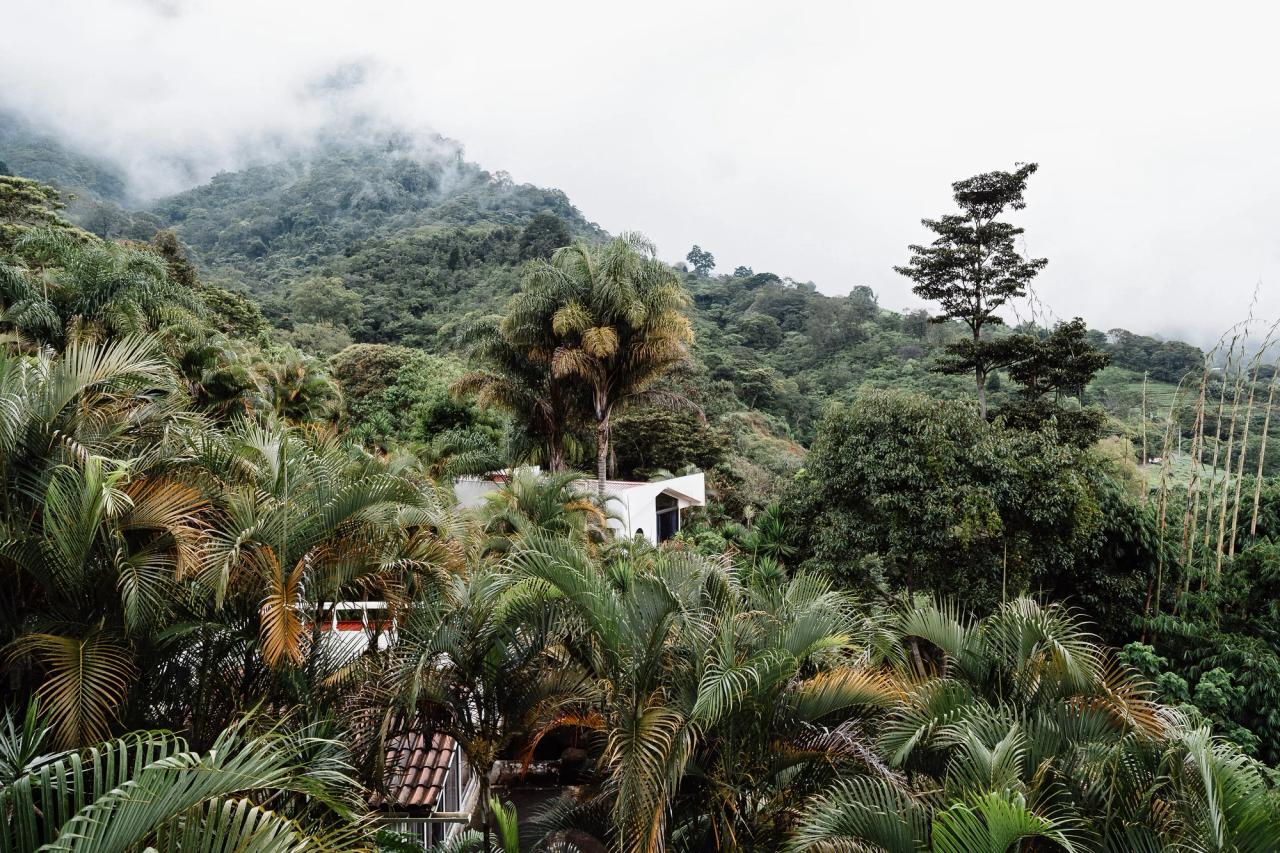

Escazú is hét adres voor expats die luxe willen leven zonder de agglomeratie San José te verlaten. Dit welvarende canton (gemeente) ligt op de westelijke hellingen van het Centrale Dal en combineert gated communities, high-end winkels en een grote Noord-Amerikaanse gemeenschap met de overblijfselen van een traditionele Costa Ricaanse stad. Het is geen budgetbestemming — het is een van de duurste gebieden in Costa Rica — maar het biedt een levenskwaliteit die veel Amerikaanse suburbs evenaart, voor een fractie van de prijs. Als je naar Costa Rica verhuist en privégezondheidszorg, tweetalige scholen, geïmporteerde boodschappen en Engelssprekende buren wilt, eindig je waarschijnlijk in Escazú.
Escazú in een oogopslag

- Bevolking
- ~71.500 (canton Escazú, schatting 2022), onderdeel van de Grote Metropolitane Zone (GAM) met ~3,1 miljoen inwoners
- Regio
- Provincie San José, westelijk stadsgebied
- Bekend om
- Luxe expat-enclave, Multiplaza Mall, CIMA Hospital, zonsondergangen over de bergen richting het westen
- Gemiddelde huurprijs (1 slaapkamer)
- ₡450.000–₡850.000/maand
- Gemiddeld salaris
- ₡1.000.000–₡1.800.000/maand (netto, professionele functies)
- Expatgemeenschap
- Groot — voornamelijk Amerikaans en Canadees; een van de hoogste concentraties Noord-Amerikaanse expats in Costa Rica
Waarom naar Escazú verhuizen
- Privégezondheidszorg van wereldklasse: Hospital CIMA San José is een JCI-geaccrediteerd particulier ziekenhuis midden in Escazú met Engelssprekende specialisten, en Clínica Bíblica ligt een korte rit oostwaarts in het centrum van San José.
- Gevestigde expatinfrastructuur: Decennia van Noord-Amerikaanse immigratie zorgen voor tweetalige diensten, geïmporteerde goederen, internationale scholen en gemeenschapsorganisaties die al lang aanwezig zijn.
- Toegang tot de Pacifische kust: Route 27 verbindt Escazú rechtstreeks met Jacó, Herradura en de Pacifische kust in ongeveer 90 minuten (buiten de spits).
- Koeler bergklimaat: Op een hoogte van ongeveer 1.100 meter ligt Escazú iets hoger dan het centrum van San José, met dagtemperaturen van 22–28 °C en merkbaar koelere avonden.
- Alles is tweetalig: Van tandartsen tot loodgieters tot schooladministrateurs — in Escazú is het veel makkelijker om Engelssprekende dienstverleners te vinden dan waar dan ook in Costa Rica buiten de expat-strandplaatsen.
- Sterke vastgoedwaarden: Escazú behoudt zijn vastgoedwaarde consequent beter dan vrijwel elk ander gebied in Costa Rica, waardoor het een verstandige keuze is voor wie wil kopen.
Woonruimte vinden in Escazú
Gemiddelde huurprijzen
| Wijk | 1 slaapkamer | 3 slaapkamers | Karakter |
|---|---|---|---|
| Guachipelín | ₡500.000–₡850.000 | ₡1.100.000–₡2.000.000 | Moderne appartementen vlakbij Multiplaza en Avenida Escazú; populair bij professionals |
| Escazú Centro | ₡350.000–₡600.000 | ₡800.000–₡1.400.000 | Traditioneel stadscentrum; oudere woningen, lokale winkels, meer Tico-karakter |
| San Antonio de Escazú | ₡300.000–₡550.000 | ₡700.000–₡1.300.000 | Historisch gebied op de heuvel; rustiger, meer landelijk gevoel, grotere percelen |
| Río Oro / Hacienda Los Laureles | ₡600.000–₡1.000.000 | ₡1.400.000–₡2.800.000 | Besloten luxe woonwijken; eengezinswoningen, 24/7 beveiliging, bergzichten |
Hoe vind je een woning
- Encuentra24.com: Het meest gebruikte vastgoedplatform in Costa Rica; filter op het kanton Escazú voor appartementen, condos en huizen.
- Craigslist Costa Rica (costarica.craigslist.org): Nog steeds actief voor huuradvertenties tussen expats, met name voor gemeubileerde kortetermijnwoningen.
- Facebookgroepen: "Escazú Rentals" en "Costa Rica Expats Housing" bevatten dagelijkse advertenties van verhuurders en vastgoedbeheerders.
- Lokale makelaars: Internationale bureaus zoals RE/MAX en Coldwell Banker hebben kantoren en agenten in het grootstedelijk gebied van San José die Escazú bedienen en Engels spreken. Lokale bureaus in Escazú, zoals GAES en Encuentra24 Properties, bedienen ook het gebied.
- Via via: Veel van de beste huurdeals in Escazú verschijnen nooit online. Als je eenmaal in het gebied bent en verbonden bent met expatnetwerken, vraag dan rond — verhuurders geven vaak de voorkeur aan huren via persoonlijke aanbevelingen.
- De wijk verkennen te voet: In Escazú Centro en San Antonio, let op "se alquila" (te huur) borden in ramen. Kleine verhuurders adverteren niet digitaal.
Tips voor expats
- Verhuurders in Escazú vragen doorgaans om een fiador (een Costa Ricaanse borg die eigendom bezit). Als je die niet hebt, wees dan voorbereid om 2–3 maanden huur als borg te betalen of onderhandel over een seguro de arrendamiento (huurverzekeringspolis) via een lokale verzekeraar zoals INS.
- Gemeubileerde appartementen zijn gemakkelijk te vinden in Guachipelín en in de buurt van Avenida Escazú, maar kosten 15–25% meer dan ongemeubileerde woningen.
- Veel condos in het gebied Guachipelín bevatten een cuota de condominio (VvE-bijdrage) voor beveiliging, zwembad en sportschool — controleer of de huur dit omvat of dat het apart wordt gefactureerd (doorgaans ₡50.000–₡150.000/maand).
- Kortetermijnverhuur (1–3 maanden) via Airbnb is een slimme manier om wijken te verkennen voordat je een jaarhuurcontract ondertekent.
Wijkengids
- Guachipelín: Het commerciële en residentiële hart van modern Escazú. Op loopafstand van Multiplaza Escazú, Avenida Escazú, Automercado en tientallen restaurants. Veel luxe condos en appartementengebouwen van middelhoge hoogte. Ideaal voor professionals die loopbaarheid en voorzieningen willen. De huurprijzen liggen aan de hogere kant van het Escazú-spectrum.
- Escazú Centro: Het traditionele stadscentrum rond de katholieke kerk en het gemeentehuis. Een mix van oudere woningen, kleine appartementsgebouwen en lokale bedrijven. Een meer authentieke Tico-sfeer met sodas (kleine Costa Ricaanse eetgelegenheden) en pulperías (buurtsupers). Betaalbaarder, maar minder op expats gerichte diensten. Goed voor koppels en gepensioneerden die een rustiger, lokaal gevoel zoeken.
- San Antonio de Escazú: Het historische heuvelgebied aan de zuidelijke rand van het kanton. Bekend om zijn steile, smalle straten, koffieplantages en uitzichten over het Centrale Dal. Grotere woningen, waaronder gerenoveerde boerderijen. Minder goed bewandelbaar — een auto is eigenlijk onmisbaar. Populair bij gezinnen die ruimte en privacy willen.
- Río Oro: Een chique woonwijk net ten zuiden van Guachipelín. Besloten woonwijken en luxe eengezinswoningen domineren het straatbeeld. Hier vind je enkele van de duurste woningen in het grootstedelijk gebied van San José. Zeer veilig en rustig, maar je rijdt overal naartoe.
- Hacienda Los Laureles: Een van de meest prestigieuze besloten woonwijken in Escazú, gelegen in de heuvels boven het commerciële district. Grote woningen, clubhuis, tennisbanen en panoramisch uitzicht. Voornamelijk eigendomswoningen in plaats van huurwoningen. Geschikt voor leidinggevenden en gezinnen met een zakelijk verhuispakket.
- Trejos Montealegre: Een overwegend commercieel en kantorendistrict tussen Escazú Centro en Guachipelín. Hier vind je medische kantoren, coworkingruimtes en professionele dienstverleners. Beperkte woningopties, maar zeer geschikt voor wie in het gebied werkt en op loopafstand van het kantoor wil wonen.
Kosten van levensonderhoud in Escazú
Maandelijkse budgetverdeling
| Categorie | Budgetbereik |
|---|---|
| Huur (1 slaapkamer, Guachipelín-gebied) | ₡500.000–₡850.000 |
| Nutsvoorzieningen (elektriciteit, water, gas) | ₡45.000–₡90.000 |
| Internet (glasvezel, 50 Mbps+) | ₡25.000–₡40.000 |
| Boodschappen | ₡200.000–₡350.000 |
| Vervoer (brandstof voor auto of ridesharing) | ₡60.000–₡120.000 |
| Uit eten gaan (4x/maand) | ₡60.000–₡120.000 |
| Vrije tijd / Sportschool | ₡40.000–₡80.000 |
| Totaal (alleenstaande) | ₡930.000–₡1.655.000 |
Dagelijkse kosten
- Koffie in een café: ₡1.500–₡3.000
- Casado (traditionele lunch) bij een lokale soda: ₡2.500–₡4.000
- Uber van Escazú naar het centrum van San José: ₡4.000–₡8.000
- Bier in een bar: ₡2.000–₡3.500
- Bioscoopkaartje in Multiplaza: ₡4.500–₡6.000
- Maandelijks sportschoolabonnement (premium): ₡40.000–₡70.000
- Geïmporteerde boodschappen bij Automercado: ongeveer 20–40% duurder dan lokale merken bij Mas x Menos
- Lokaal bier (Imperial of Pilsen) in de supermarkt: ₡900–₡1.500
- Tuinonderhoud / hoveniersservice (wekelijks): ₡15.000–₡30.000 per bezoek
- Schoonmaakservice (wekelijks, 4 uur): ₡20.000–₡35.000 per bezoek
- Dierenartsconsult bij een particuliere kliniek: ₡25.000–₡50.000
Kosten om op te letten
- Elektriciteit: de tarieven van CNFL (de lokale energiemaatschappij) stijgen sterk bij veel airco-gebruik. Rekeningen van ₡80.000–₡150.000 zijn gebruikelijk in appartementen waar de airco de hele dag aan staat. Met ventilatoren en natuurlijke ventilatie blijven de kosten dichter bij ₡30.000.
- Geïmporteerde goederen: alles wat geïmporteerd wordt — auto's, elektronica, wijn, kaas — heeft een flinke opslag door Costa Ricaanse invoerrechten (vaak 30–60%). Een middenklasse-tv van $400 in de VS kan in Costa Rica $650+ kosten.
- Privéschoolgeld: internationale scholen rekenen ₡5.000.000–₡12.000.000 per jaar per kind, wat voor veel expatgezinnen de grootste kostenpost is na huisvesting.
- Voertuigkosten: de invoerbelasting op auto's is hoog. Een occasion-SUV van $20.000 in de VS kan na invoerrechten en registratie in Costa Rica $30.000–$35.000 kosten. Benzine is ook duurder dan in de VS, meestal ₡700–₡800 per liter.
Rondkomen in Escazú
- Openbaar vervoer: Escazú wordt bediend door het rode busnetwerk van San José. Routes verbinden de hoofdweg (Calle Vieja) met het centrum van San José voor ₡350–₡700 per rit. Bussen zijn goedkoop maar druk tijdens de spits, en ze bedienen de heuvelwijken slecht.
- Rideshare: Uber en DiDi zijn allebei actief in Escazú. Een rit van Guachipelín naar het centrum van San José kost ₡4.000–₡8.000, afhankelijk van het verkeer. Dit is de meest praktische optie voor korte ritten zonder auto. Uber Comfort en Uber Select zijn beschikbaar als je iets meer wilt betalen voor nieuwere voertuigen.
- Autorijden: de meeste expatgezinnen in Escazú hebben minstens één auto. Parkeren bij Multiplaza en Avenida Escazú is gratis of goedkoop. Het verkeer op Route 27 en de hoofdwegen naar en vanuit Escazú is zwaar tijdens de spits (06:30–08:30 en 16:30–19:00). Houd daar rekening mee bij je woon-werkverkeer. Tijdens de spits kan een rit naar San José die normaal 15 minuten duurt, 45 minuten of langer duren.
- Luchthaven: Juan Santamaría International Airport (SJO) in Alajuela ligt op ongeveer 25–40 minuten van Escazú via Route 27 en de autosnelweg naar de luchthaven, afhankelijk van het verkeer.
- Intercity: Route 27 verbindt Escazú naar het westen met de Pacifische kust (Jacó in ~1,5 uur, Manuel Antonio in ~3 uur). Naar het oosten verbindt de Próspero Fernández Highway met de rest van de metropoolregio San José. Route 32 (Guápiles Highway) is de hoofdroute naar het noordoosten naar de Caraïbische kust (Limón).
- Fietsen: niet gebruikelijk voor woon-werkverkeer vanwege de steile heuvels en smalle wegen, maar recreatief fietsen is populair op weekendochtenden als het rustiger is op de weg. De weg omhoog naar San Antonio de Escazú is een favoriete lokale route.
Gezondheidszorg in Escazú
- Hospital CIMA San José: een particulier, JCI-geaccrediteerd ziekenhuis in Guachipelín. Biedt spoedzorg, chirurgie, kraamzorg en specialistische consulten. De meeste artsen spreken Engels. Consulten kosten meestal ₡60.000–₡120.000 zonder verzekering. Dit is het belangrijkste ziekenhuis voor expats in Escazú.
- Clínica Bíblica: een goed aangeschreven particulier ziekenhuis op ongeveer 15 minuten naar het oosten, in het centrum van San José. Biedt een volledig scala aan specialismes en heeft een speciale afdeling voor internationale patiënten.
- CCSS-openbaar systeem: de Caja Costarricense de Seguro Social (CCSS) is het openbare gezondheidssysteem van Costa Rica. Alle legale inwoners moeten zich inschrijven en bijdragen op basis van inkomen. Openbare klinieken in Escazú (EBAIS) bieden basiszorg maar hebben lange wachttijden voor specialisten. De meeste expats gebruiken de CCSS als back-up en vertrouwen voor hun dagelijkse zorg op particuliere behandeling.
- Apotheken: Farmacia La Bomba en Farmacia Fischel hebben vestigingen in Escazú met een ruim assortiment. Veel medicijnen die elders op recept verkrijgbaar zijn, worden in Costa Rica vrij verkocht. De Farmacia Fischel bij Multiplaza is tot laat open en heeft een breed aanbod van zowel lokale als geïmporteerde medicijnen.
- Tandheelkundige zorg: Escazú heeft verschillende goed aangeschreven particuliere tandartspraktijken die cosmetische en herstellende behandelingen aanbieden voor een fractie van de Amerikaanse prijzen. Een tandimplantaat dat in de VS $3.000–$5.000 kost, kost in Escazú meestal $1.000–$1.800.
- Alarmnummer: 911 (landelijk). CIMA heeft ook een directe alarmlijn.
Krijg een persoonlijk verhuisplan
Laat je e-mailadres achter en we sturen een checklist op maat plus drie offertes van gecontroleerde verhuizers.
Cultuur en levensstijl
- De drie Escazús: het kanton is verdeeld in drie verschillende zones — het historische bergdorp San Antonio de Escazú, het traditionele Escazú Centro rond de oude kerk en het park, en de moderne commerciële en woonwijk van Guachipelín en omgeving. Elke zone heeft een eigen sfeer, en nieuwkomers kunnen het beste alle drie verkennen voordat ze beslissen waar ze willen wonen.
- Winkelen en uit eten: Multiplaza Escazú is een van de grootste winkelcentra van Centraal-Amerika, met Almacenes El Rey, Pequeño Mundo en tientallen internationale merken. Avenida Escazú, een luxe gemengde ontwikkeling naast Multiplaza, biedt restaurants, kantoren, een bioscoop en luxe-appartementen in een wandelvriendelijke openluchtlay-out. Het restaurantaanbod is een van de meest internationale van Costa Rica — Japanse, Indiase, Italiaanse, Libanese en Amerikaanse opties zijn allemaal binnen 10 minuten rijden.
- Buitenleven: de naar het westen gerichte hellingen van Escazú bieden spectaculaire zonsondergangen boven de bergen. Parque Nacional La Sabana — vaak het "Central Park van Costa Rica" genoemd — ligt op 10 minuten rijden naar het oosten en heeft hardlooproutes, roeibootjes en open groene ruimtes. Voor weekendtripjes zijn de stranden van de Pacifische kust bereikbaar via Route 27, en bergbestemmingen zoals Poás Volcano en Chirripó National Park (voor ervaren wandelaars) zijn op rijafstand.
- Supermarkten met importproducten: Automercado in Guachipelín heeft Amerikaanse en Europese producten — van pindakaas tot craft beer — tegen een hogere prijs. Pricesmart (een warehouse-winkel in Costco-stijl met lidmaatschap) in het nabijgelegen Escazú/Santa Ana is populair voor bulkaankopen. Mas x Menos en Walmart hebben ook vestigingen in de buurt voor boodschappen van lokale merken.
- Coworking en werken op afstand: Er zijn verschillende coworkingruimtes in Escazú, waaronder Regus in Avenida Escazú en onafhankelijke coworkingkantoren in Trejos Montealegre. De meeste bieden dagpassen (₡10.000–₡15.000) en maandplannen (₡100.000–₡200.000) aan. Betrouwbaar glasvezelinternet is beschikbaar in het hele kanton via Tigo, Cabletica en Kölbi.
Eten en uitgaan
- Traditioneel Costa Ricaans eten is verkrijgbaar bij sodas door heel Escazú Centro en San Antonio. Verwacht casados (rijst, bonen, bakbanaan, salade en een proteïne) voor ₡2.500–₡4.000.
- De Avenida Escazú en de Guachipelín-corridor hebben de hoogste concentratie internationale restaurants in de metro San José buiten het stadscentrum.
- Voor budgetvriendelijke opties zoek je de wekelijkse feria (boerenmarkt) in Escazú Centro op zaterdagochtend voor verse producten tegen een fractie van de supermarktprijzen.
- De bereidingsafdeling van Automercado is populair bij expats die niet willen koken — geroosterde kip, salades en warme maaltijden zijn dagelijks beschikbaar. Reken op ₡4.000–₡7.000 voor een bereide maaltijd.
- Craft beer is in opkomst in Escazú; verschillende bars rond Avenida Escazú serveren lokale Costa Ricaanse microbrouwerijen naast importbieren. Een craft pint kost ₡3.000–₡5.000.
Expat-gemeenschap
- De Noord-Amerikaanse gemeenschap in Escazú is een van de grootste in Costa Rica. Organisaties zoals de Association of Residents of Costa Rica (ARCR) en diverse damesclubs en Rotary-afdelingen zijn actief in de regio.
- Facebook-groepen zoals 'Expats in Escazú' en 'Costa Rica Expats' zijn de belangrijkste kanalen voor realtime advies, aanbevelingen en sociale evenementen.
- De Costa Rica Country Club, gelegen in het San Rafael-district van Escazú, is een sociaal knooppunt voor veel expatgezinnen met golf-, tennis-, zwem- en restaurantfaciliteiten.
- Engels wordt veel gesproken in bedrijven door heel Guachipelín en de commerciële gebieden, waardoor dagelijkse boodschappen eenvoudig zijn voor mensen die geen Spaans spreken.
- Het San José-hoofdstuk van InterNations organiseert maandelijks sociale evenementen die veel deelnemers uit de Escazú-expatgemeenschap trekken. Meetup.com vermeldt ook taaluitwisselingsgroepen die bijeenkomen in cafés in Avenida Escazú.
- Engelstalige kerkdiensten zijn beschikbaar in verschillende kerken in de omgeving, waaronder de International Baptist Church en de Engelstalige gemeente van de Escazú Christian Church.
Arbeidsmarkt in Escazú
- Belangrijkste sectoren: Multinationale gedeelde diensten (HP, IBM en Procter & Gamble hebben allemaal vestigingen in de grotere metro San José), technologie, financiën, toerisme en vastgoed.
- Grootste werkgevers: CIMA Hospital, bedrijven in de nabijgelegen Zona Franca (vrijhandelszone) in Heredia en Coyol, multinationale callcenters en BPO's, en de dienstensector gericht op de expatgemeenschap.
- Gemiddelde salarissen per sector:
| Sector | Maandelijks nettosalaris |
|---|---|
| BPO / Gedeelde diensten (tweetalig) | ₡1.200.000–₡2.000.000 |
| IT / Software-engineering | ₡1.500.000–₡3.500.000 |
| Gezondheidszorg (private sector) | ₡1.000.000–₡2.500.000 |
| Onderwijs (internationale scholen) | ₡1.200.000–₡2.200.000 |
| Horeca / Dienstverlening | ₡600.000–₡1.000.000 |
- Zoekbronnen voor vacatures: LinkedIn is het dominante platform voor professionele functies. Computrabajo.cr en Indeed Costa Rica vermelden ook vacatures. De BPO-sector werft actief tweetalige (Engels/Spaans) kandidaten en plaatst regelmatig berichten in Facebook-expatgroepen.
- Werken op afstand: Escazú is uitstekend geschikt voor mensen die op afstand werken en buitenlands inkomen verdienen. Glasvezelinternet is betrouwbaar, de tijdzone sluit aan bij de Amerikaanse kantooruren (CST/CDT), en de expatgemeenschap biedt een ingebouwd professioneel netwerk. Veel digitale nomaden en remote professionals kiezen Escazú vanwege deze combinatie.
Onderwijs in Escazú
- Country Day School: Een Amerikaanse internationale school die nu gevestigd is in Santa Ana (ongeveer 15–20 minuten van Escazú). Verhuisd naar de huidige LEED-gecertificeerde campus in 2016. Biedt een Amerikaans-geaccrediteerd curriculum aan van pre-K tot en met de 12e klas. Schoolgeld varieert van ₡5.000.000–₡10.000.000 per jaar afhankelijk van het leerjaar. Populair bij Amerikaanse expatgezinnen.
- Blue Valley School: Gelegen in de Escazú-omgeving, met een tweetalig programma en internationale accreditatie. Een van de handigste schoolopties voor gezinnen die in Escazú wonen.
- Pan-American School: Gelegen in de grotere metro San José, met tweetalig onderwijs. IB-accreditatie en -programma's kunnen het beste rechtstreeks bij de school worden bevestigd.
- Universiteiten: Universidad Latina en Universidad Latina de Costa Rica hebben campussen op rijafstand in San José en Heredia. De hoofdcampus van de Universiteit van Costa Rica (UCR) in San Pedro is op ongeveer 20 minuten afstand. Universidad Veritas, bekend om haar architectuur- en ontwerpprogramma's, is ook in de buurt.
- Taalbureaus: Talloze particuliere Spaanskleraren en kleine taalbureaus zijn actief in Escazú. Veel expats huren leraren in voor lessen aan huis voor ₡15.000–₡25.000 per uur. Het Centro Panamericano de Idiomas (CPI) heeft een campus in het nabijgelegen Heredia met intensieve Spaansprogramma's.
- Kleuterscholen en kinderopvang: Verschillende tweetalige kleuterscholen zijn actief in Escazú, waaronder Kid's World en Children's House. Maandelijks schoolgeld voor een voltijdse kleuterschool bedraagt ₡250.000–₡500.000.
Verhuischecklist voor Escazú
Voor vertrek
- [ ] Onderzoek en vraag de juiste verblijfscategorie aan (Pensionado, Rentista of tijdelijk verblijf) via de Dirección General de Migración y Extranjería (Costaricaanse immigratiedienst). De verwerking duurt 3–12 maanden; kom zo nodig met een toeristenvisum het land in terwijl je aanvraag in behandeling is.
- [ ] Verzamel documenten: geboorteakte, verklaring omtrent het gedrag en huwelijksakte (indien van toepassing) — allemaal gelegaliseerd met een apostille en vertaald naar het Spaans door een beëdigd vertaler.
- [ ] Maak ruim van tevoren een afspraak voor je DIMEX (Documento de Identidad Migratoria para Extranjeros). De DIMEX is je identificatiekaart als buitenlandse ingezetene en is verplicht voor bankzaken, telefoonabonnementen en de meeste officiële transacties.
- [ ] Schakel een douane-expediteur (agente aduanal) in als je huisraad verscheept; goederen moeten minstens 6 maanden in je bezit zijn om in aanmerking te komen voor invoer vrij van douanerechten volgens de Costaricaanse douanewetgeving.
- [ ] Regel gezondheidsverklaringen en rabiësvaccinaties voor je huisdieren als je dieren meeneemt; Costa Rica vereist een chip en een diergeneeskundige verklaring die maximaal 10 dagen voor reis is afgegeven.
- [ ] Sluit een particuliere ziektekostenverzekering af (via INS of een internationale aanbieder) om de periode te overbruggen tot je inschrijving bij de CCSS is verwerkt.
- [ ] Maak een afspraak voor een Costaricaanse bankrekening — Banco Nacional en BAC Credomatic zijn populair bij expats. Je hebt je paspoort en een bewijs van adres nodig.
- [ ] Als je een auto wilt meenemen, onderzoek dan de Costaricaanse invoerrechten en de eisen voor de revisión técnica (verplichte autokeuring) voordat je verscheept. Invoerbelasting kan 40–80% van de waarde van het voertuig toevoegen.
- [ ] Maak kopieën van alle belangrijke documenten en bewaar ze apart. De Costaricaanse bureaucratie vraagt vaak om originele documenten, fotokopieën en soms notarieel beëdigde vertalingen.
Eerste week
- [ ] Registreer je adres bij de lokale Tributación Directa (Costaricaanse belastingdienst) om een NIT (Número de Identificación Tributaria) te krijgen als je lokaal inkomen gaat verdienen.
- [ ] Ga naar het dichtstbijzijnde CCSS-kantoor om je in te schrijven voor het openbare gezondheidssysteem, wat verplicht is voor alle ingezetenen.
- [ ] Koop een prepaid-simkaart van Kölbi (de staatsprovider) of Claro bij Multiplaza Escazú — abonnementen vereisen een DIMEX of Costaricaans identiteitsbewijs.
- [ ] Open een bankrekening; neem je paspoort mee, een bewijs van adres (energierekening of huurcontract) en eventueel een referentiebrief van je bank in je thuisland.
- [ ] Verken wijken te voet en met Uber om te bepalen waar je een langetermijnhuurcontract wilt afsluiten.
- [ ] Registreer je bij de ambassade van je thuisland in San José voor noodmeldingen.
- [ ] Download de WhatsApp-desktopapp — vrijwel alle communicatie met verhuurders, serviceproviders en gemeenschapsgroepen in Escazú verloopt via WhatsApp.
Eerste maand
- [ ] Teken een huurcontract en regel nutsvoorzieningen: elektriciteit (CNFL), water (AyA) en internet (Tigo, Cabletica of Kölbi).
- [ ] Als je autorijdt, laat dan een revisión técnica (autokeuring) uitvoeren en registreer je auto bij het Registro Nacional; buitenlandse rijbewijzen zijn 90 dagen geldig, daarna moet je deze omzetten naar een Costaricaans rijbewijs bij COSEVI.
- [ ] Schrijf je kinderen in op school — internationale scholen hebben vaak wachtlijsten, dus doe je aanvraag zo vroeg mogelijk.
- [ ] Sluit je aan bij expat-Facebookgroepen en de ARCR voor lokale aanbevelingen en sociaal contact.
- [ ] Leg contact met een huisarts bij CIMA of Clínica Bíblica voor je langdurige medische zorg.
- [ ] Stel terugkerende betalingen in voor huur en nutsvoorzieningen via het Costaricaanse internetbankieren (BN Usuarios, BAC en Línea, enz.).
- [ ] Vraag een marchamo (jaarlijkse voertuigbelasting en -verzekering) aan als je een auto hebt — dit is verplicht en elk december verschuldigd via de website van INS of bij Banco Nacional.
- [ ] Schakel een lokale advocaat (notario) in als je onroerend goed wilt kopen; bij Costaricaanse vastgoedtransacties is een notaris verplicht om de akte op te stellen en te registreren bij het Registro Nacional.
Gerelateerde gidsen
- Verhuizen naar Costa Rica — uitgebreide landengids
- Verhuizen naar Santa Ana — aangrenzend luxe kanton met een iets ander karakter