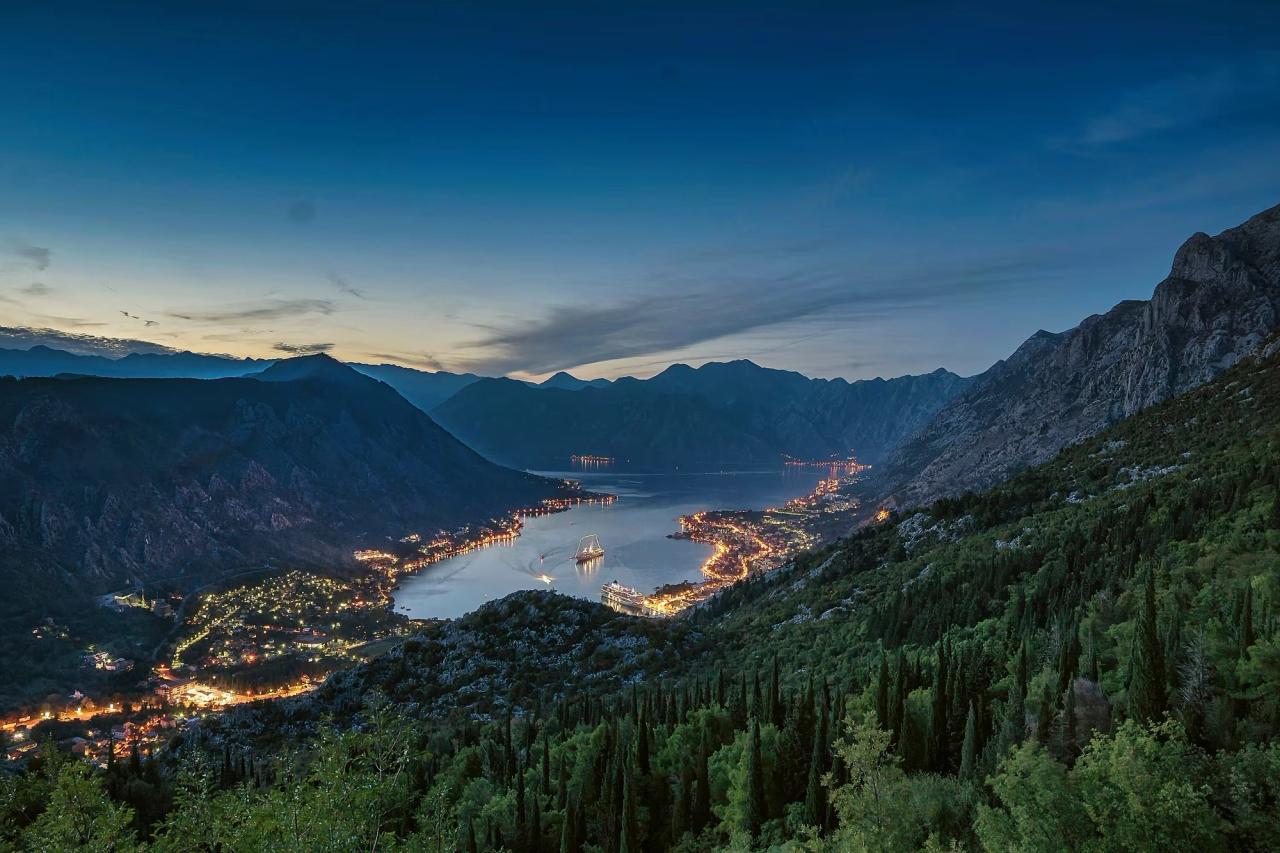

Kotor è una città costiera medievale adagiata in fondo alla Baia di Kotor, il fiordo del Montenegro. Il suo centro storico patrimonio UNESCO, lo spettacolare sfondo montano e i famosi gatti randagi amichevoli la rendono unica nei Balcani. La città attira lavoratori da remoto, pensionati e avventurieri che desiderano la bellezza adriatica a una frazione dei prezzi croati o italiani. Se apprezzate la storia, il trekking e uno stile di vita rilassato sul lungomare, Kotor merita sicuramente una seria considerazione.
Kotor in Sintesi
- Popolazione
- ~13.000 (comune di Kotor)
- Regione
- Baia di Kotor (Boka Bay), costa del Montenegro
- Famosa per
- Centro storico UNESCO, baia simile a un fiordo, escursioni alla fortezza, gatti randagi
- Affitto Medio (1 camera)
- €450–€650/mese
- Salario Medio
- €600–€900/mese netto
- Comunità Expat
- In crescita — lavoratori da remoto, pensionati, equipaggio di yacht, nomadi digitali
- Valuta
- Euro (EUR)
- Fuso Orario
- CET (UTC+1), CEST in estate (UTC+2)
Perché Trasferirsi a Kotor
- Centro storico UNESCO: un centro medievale murato con chiese in pietra, piazze e vicoli labirintici che sembrano immutati da secoli.
- Baia di Kotor: spesso chiamata il fiordo più meridionale d'Europa — spettacolari scogliere di calcare si tuffano in acque calme e trasparenti come uno specchio, ideali per nuotare, fare kayak e navigare.
- Convenienza economica: il costo della vita mensile è del 30–50% inferiore rispetto alle città costiere croate paragonabili, pur utilizzando l'euro.
- Vita all'aperto: scalate il sentiero della fortezza con 1.350 gradini fino al Castello di San Giovanni, fate kayak attraverso la baia o escursioni giornaliere al Parco Nazionale di Lovćen e a Perast.
- Energia delle crociere: Kotor è uno dei principali porti crocieristici dell'Adriatico — in stagione la città si anima di visitatori internazionali, portando ristoranti, vita notturna ed eventi culturali.
- Posizione strategica: a breve distanza da Dubrovnik (2 ore), Tirana (3 ore) e il resto della costa montenegrina.
- Tasse basse: l'imposta sul reddito delle persone fisiche forfettaria del Montenegro del 9–15% è tra le più basse in Europa, rendendola attraente per i liberi professionisti e i lavoratori da remoto.
- Sicurezza: tassi di criminalità estremamente bassi rendono Kotor uno dei posti più tranquilli dove vivere sull'Adriatico.
Trovare Casa a Kotor
Affitti Medi
| Quartiere | 1 Camera | 3 Camere | Caratteristiche |
|---|---|---|---|
| Centro Storico (Stari Grad) | €500–€700 | €900–€1.400 | Mura storiche, vivibile a piedi, turistica in estate |
| Dobrota | €400–€600 | €750–€1.200 | Lungomare tranquillo, popolare tra le famiglie |
| Prčanj | €350–€550 | €650–€1.000 | Villaggio collinare, vista panoramica sulla baia |
| Muo | €350–€500 | €600–€950 | Tranquillo, vicino all'acqua, atmosfera locale |
| Perast | €450–€650 | €800–€1.300 | Gioiello barocco, piccolo villaggio, affitti elevati |
| Škaljari | €300–€450 | €550–€850 | Conveniente, sopra il centro storico, pratico |
Come Trovare Casa
- Nekretnine.me: il principale portale immobiliare del Montenegro — filtrate per il comune di Kotor.
- Gruppi Facebook: cercate "Kotor apartments" o "Rent Kotor" — i proprietari pubblicano annunci frequentemente.
- Agenti locali: diverse agenzie nel centro storico di Kotor gestiscono affitti stagionali e a lungo termine.
- Di persona: nella bassa stagione (ottobre–aprile), molti proprietari appendono cartelli "Izdaje se" su finestre e porte.
- Booking.com/Airbnb: utile per un soggiorno iniziale mentre si cerca di persona — negoziate direttamente con i proprietari per tariffe mensili.
- Passaparola: chiedete nei bar e nei ristoranti; i residenti spesso vengono a sapere degli affitti disponibili prima che vengano pubblicati online.
Consigli per gli Expat
- Firmate sempre un contratto scritto anche se il proprietario non lo richiede — tutela il vostro deposito.
- Chiedete se le utenze sono incluse; molti annunci indicano solo l'affitto.
- Evitate di firmare un contratto di 12 mesi senza vedere l'appartamento — visitate prima e negoziate di persona.
- Gli affitti estivi possono essere il doppio di quelli invernali; bloccate un contratto a lungo termine prima di maggio.
- Prevedete di pagare 1–3 mesi di deposito anticipato più il primo mese di affitto.
- Le utenze (elettricità, acqua, riscaldamento, internet) vengono generalmente pagate separatamente e ammontano a €80–€120/mese.
- Gli appartamenti ammobiliati sono comuni; quelli non arredati costano meno ma richiedono un investimento iniziale.
- Verificate che ci siano acqua calda e riscaldamento affidabili — alcuni edifici più vecchi hanno sistemi poco costanti.
Guida ai Quartieri
- Centro storico (Stari Grad): la scelta migliore per gli amanti della storia e chi preferisce vivere vicino a tutto. Densamente abitato, senza auto, circondato da mura del XV secolo. Gli affitti sono i più alti di Kotor, ma l'atmosfera è senza pari. Si vive a due passi da bar, musei e il lungomare.
- Dobrota: il quartiere preferito per le famiglie expat e i residenti a lungo termine. Una striscia di case e appartamenti sul lungomare che si estende verso nord lungo la baia, con supermercati, panetterie e un ritmo più tranquillo rispetto al centro storico. La passeggiata è perfetta per le passeggiate serali.
- Prčanj: un insediamento collinare sulla sponda est della baia. Più tranquillo e meno costoso di Dobrota, con viste mozzafiato e alcune chiese barocche. Popolare tra i pensionati e i lavoratori da remoto che cercano pace senza isolamento.
- Muo: un piccolo villaggio di pescatori diventato area residenziale appena a nord del centro storico. Conveniente, tranquillo e direttamente sull'acqua — ideale per chi cerca l'atmosfera locale senza le folle turistiche. Le piattaforme per il nuoto qui sono tra le migliori della baia.
- Perast: un villaggio barocco da cartolina a 12 km a nord-ovest di Kotor. Piccolo ma di prestigio, con ristoranti boutique e viste sull'isola di Nostra Signora della Roccia. Ideale per chi non si preoccupa di raggiungere Kotor in auto o in autobus.
- Škaljari: un quartiere collinare pratico sopra il centro storico, con affitti più bassi, parcheggio e rapido accesso al sentiero della fortezza. Ottimo rapporto qualità-prezzo per gli expat attenti al budget che vogliono comunque raggiungere il centro storico a piedi in 10 minuti.
Costo della Vita a Kotor
Ripartizione del Budget Mensile
| Categoria | Fascia di Spesa |
|---|---|
| Affitto (1 camera, centro) | €450–€650 |
| Utenze | €80–€120 |
| Internet | €20–€30 |
| Spesa alimentare | €150–€250 |
| Trasporti | €25–€40 |
| Cena fuori (4 volte/mese) | €60–€100 |
| Svago/Palestra | €25–€40 |
| Totale | €810–€1.230 |
Costi Quotidiani
- Caffè: €1,50–€2,50
- Pranzo (informale): €6–€10
- Abbonamento mensile ai trasporti: €25–€35
- Birra (al bar): €2,50–€4
- Biglietto del cinema: €4–€6 (il cinema più vicino a Tivat, ~15 min in auto)
- Pane: €0,80–€1,50
- 1 litro di latte: €1,00–€1,40
- Pasto in un ristorante di fascia media: €10–€18
- Iscrizione in palestra: €25–€40/mese
- Pesce fresco al kg: €6–€12 al mercato
Risparmiare
- Fate la spesa ai mercati locali (il mercato ortofrutticolo vicino alla stazione degli autobus) per prodotti a prezzi convenienti.
- Approfittate delle panetterie (pekara) per colazione e pranzo con prodotti da forno da €1–€2.
- Cucinate a casa — la spesa da Idea, Voli o HDL Laković è a prezzi accessibili.
- Evitate di mangiare sul lungomare del centro storico durante le ore delle crociere; allontanatevi di 5 minuti verso l'interno per prezzi migliori.
- Acquistate il vino montenegrino direttamente dai produttori per il miglior rapporto qualità-prezzo.
Muoversi a Kotor
- Trasporto pubblico: i bus locali collegano Kotor con Tivat, Budva e Herceg Novi. Un abbonamento mensile costa circa €25–€35. I bus Blue Line percorrono la baia con una frequenza ragionevole.
- Ciclismo: le strade pianeggianti sul lungomare sono adatte alle bici; i percorsi di montagna sono riservati a ciclisti esperti. Non esistono piste ciclabili dedicate, quindi condividete la carreggiata con attenzione.
- Guida: le strade lungo la baia sono strette e tortuose. Il parcheggio all'interno delle mura del centro storico è limitato — usate i parcheggi periferici (€1–€2/ora). Il traffico si intasa molto durante la stagione delle crociere.
- Aeroporto: l'Aeroporto di Tivat (TIV) è a 10 minuti con voli europei stagionali. L'Aeroporto di Podgorica (TGD) è a ~90 minuti e gestisce rotte tutto l'anno, incluse le compagnie low cost.
- Intercity: autobus per Podgorica (€7–€10, ~2 ore), Budva (€3–€5, ~30 min) e Dubrovnik, Croazia (€15–€25, ~2 ore incluso il valico di frontiera).
- Traghetto: il traghetto per auto Kamenari–Lepetane attraversa la baia in 5 minuti, risparmiando 30 minuti di guida.
- Taxi: i taxi a tassametro sono convenienti (€3–€5 all'interno di Kotor). Concordate il prezzo prima di salire o usate un'app di ride-hailing dove disponibile.
- A piedi: il centro storico è completamente pedonale e percorribile in meno di 15 minuti da un'estremità all'altra.
Sanità a Kotor
- Ospedali/Cliniche: l'Ospedale Generale di Kotor gestisce le cure di base e le emergenze. Per specialisti e trattamenti avanzati, la maggior parte degli expat si avvale degli ospedali di Podgorica o delle cliniche private di Tivat e Budva.
- Medici di lingua inglese: disponibili nelle cliniche private; limitati nelle strutture pubbliche. La comunità expat può consigliare medici di base di lingua inglese tramite gruppi Facebook.
- Farmacie: diverse nel centro storico e dintorni, aperte durante l'orario lavorativo con almeno una farmacia di turno di notte.
- Numero di emergenza: 112 (generale), 124 (ambulanza)
- Assicurazione sanitaria: l'assistenza sanitaria pubblica è disponibile per i residenti registrati con contributi obbligatori. Molti expat integrano con un'assicurazione internazionale privata (Allianz, Cigna) per una copertura più ampia e accesso a servizi in lingua inglese.
- Cure dentistiche: le cliniche dentistiche private a Kotor e Tivat offrono cure di qualità a prezzi ben inferiori rispetto all'Europa occidentale (pulizia €20–€40, otturazioni €30–€60).
Ricevi un piano di trasloco personalizzato
Lascia la tua e-mail e ti invieremo una checklist su misura piu tre preventivi da traslocatori verificati.
Cultura e Stile di Vita
- Centro storico UNESCO: il centro murato ospita il Carnevale di Kotor, la Boka Night e il festival musicale KotorArt. Le strade strette sono piene di bar, gallerie e negozi di souvenir a tema gatti.
- Vita in baia: nuotare dalle piattaforme sul molo, fare kayak, vela e gite in barca verso Nostra Signora della Roccia e la Grotta Azzurra sono attività quotidiane. L'acqua è pulita, calma e calda da giugno a ottobre.
- Gatti randagi: Kotor è famosa per la sua popolazione di gatti randagi accuditi. Nel centro storico c'è persino un Museo dei Gatti dedicato. Sia i residenti che i turisti li nutrono, e molti visitatori ne adottano uno durante il soggiorno.
- Navi da crociera: nella stagione di punta (maggio–ottobre) arrivano quotidianamente grandi navi da crociera, trasformando il lungomare in un vivace centro internazionale.
- Vita notturna: modesta rispetto a Budva — pensate a wine bar, musica dal vivo e terrazze panoramiche piuttosto che discoteche.
- Patrimonio religioso: la Baia di Kotor è costellata di chiese ortodosse e cattoliche. La Cattedrale di San Trifone (1166) è una delle più antiche d'Europa.
- Arte e musica: il festival KotorArt porta musica classica, teatro e proiezioni cinematografiche in luoghi all'interno delle mura del centro storico ogni estate.
- Escursionismo: il sentiero della Fortezza di San Giovanni (1.350 gradini) regala viste panoramiche sulla baia. Il sentiero inizia all'interno del centro storico e richiede 30–60 minuti a seconda della forma fisica.
Cibo e Ristorazione
- Specialità locali: bistecca Njeguški, polpo alla griglia, risotto nero (crni rižot) e stufato di pesce della Boka (brudet).
- Zone migliori: il lungomare del centro storico e la passeggiata di Dobrota hanno la maggiore concentrazione di ristoranti.
- Opzioni economiche: le panetterie (pekara) vendono burek e prodotti da forno a meno di €2. Le taverne konoba locali servono pasti sostanziosi per €5–€8.
- Vino: i vini montenegrini — in particolare il Vranac (rosso) e il Krstač (bianco) — sono eccellenti e convenienti, spesso €3–€5 al bicchiere nei ristoranti. La cantina Pro Monte è nelle vicinanze per degustazioni.
- Frutti di mare: il pesce fresco è in vendita al mercato ortofrutticolo di Kotor e nei ristoranti sul lungomare. Aspettatevi di pagare €8–€15 per un piatto di pesce alla griglia.
- Cultura del caffè: il caffè è un rituale sociale. Un espresso in un bar sul lungomare costa €1,50–€2,50 e va gustato con calma.
Comunità Expat
- Facebook e Meetup: cercate "Expats in Kotor" e "Digital Nomads Montenegro" — gruppi attivi con incontri regolari e consigli pratici.
- Coworking: diversi spazi informali a Kotor e nella vicina Tivat accolgono i lavoratori da remoto. Porto Montenegro a Tivat dispone di un hub coworking dedicato con internet ad alta velocità.
- Scambi linguistici: molto diffusi nei bar del centro storico; le lezioni di montenegrino sono disponibili tramite insegnanti privati (€10–€15/ora).
- Sport: i club di vela, i centri di immersione e i gruppi escursionistici accolgono i nuovi arrivati. Il progetto della funivia Kotor–Lovćen potrebbe aggiungere nuove opzioni ricreative.
- Volontariato: le organizzazioni di salvataggio gatti e i gruppi ambientalisti lungo la baia accolgono volontari.
- Mix internazionale: gli expat provengono da Russia, Regno Unito, Stati Uniti, Germania, Scandinavia e da tutta la regione balcanica, creando una comunità eterogenea.
Mercato del Lavoro a Kotor
- Settori principali: turismo, ospitalità, settore marittimo/nautico, immobiliare e servizi stagionali.
- Principali datori di lavoro: Porto Montenegro (Tivat), hotel e ristoranti locali, operazioni a terra delle compagnie di crociere, agenzie immobiliari.
- Stipendi medi per settore:
| Settore | Netto Mensile |
|---|---|
| Ospitalità | €500–€800 |
| Servizi turistici | €600–€900 |
| Mestieri qualificati | €700–€1.000 |
| Remoto/internazionale | Varia notevolmente |
- Risorse per la ricerca di lavoro: Nekretnine.me (generale), LinkedIn, gruppi Facebook locali per offerte di lavoro, richieste di persona agli hotel e ristoranti prima della stagione estiva.
- Lavoro autonomo: i lavoratori da remoto e i liberi professionisti beneficiano dell'aliquota forfettaria del 9–15% sull'imposta sul reddito delle persone fisiche in Montenegro e di un'infrastruttura per nomadi digitali in crescita.
- Lavoro stagionale: la stagione turistica (maggio–ottobre) crea una forte domanda di personale di bar, guide turistiche, equipaggi di barche e lavoratori dell'ospitalità. Molti expat integrano il reddito da remoto con lavori estivi.
- Nautica da diporto: i marina di Tivat (Porto Montenegro) e Lustica Bay reclutano equipaggi, ingegneri e personale di servizio tutto l'anno.
Istruzione a Kotor
- Scuole internazionali: le opzioni internazionali più vicine si trovano a Tivat e Podgorica — le famiglie di solito effettuano il pendolarismo o si iscrivono localmente con il supporto di tutoraggio privato.
- Università: l'Università del Montenegro ha una Facoltà di Studi Marittimi a Kotor. Le opzioni universitarie più ampie si trovano a Podgorica.
- Scuole di lingue: i tutor privati di montenegrino/serbo sono convenienti (€10–€15/ora). I corsi di lingua inglese sono ampiamente disponibili.
- Attività per bambini: scuole di vela, club di nuoto e laboratori culturali operano stagionalmente a Kotor e dintorni.
- Scuola materna: sono disponibili asili locali; alcune famiglie expat utilizzano asili privati bilingue a Tivat.
Lista di Controllo per il Trasloco a Kotor
Prima dell'Arrivo
- Confermate i requisiti del visto o del permesso di soggiorno per la vostra nazionalità
- Ricercate i quartieri e prenotate un alloggio a breve termine per il primo mese
- Raccogliete i documenti apostillati (certificato di nascita, certificato di matrimonio, diploma)
- Stipulate un'assicurazione sanitaria internazionale valida in Montenegro
- Avvisate la vostra banca e configurate le opzioni di trasferimento internazionale (Wise, Revolut)
Prima Settimana
- Registrate il vostro indirizzo presso il commissariato di polizia locale (MUP)
- Acquistate una SIM card locale (T-Mobile, One o m:tel)
- Aprite un conto bancario (CKB, NLB Banka o Hipotekarna)
- Esplorate il centro storico, Dobrota e Muo a piedi
- Individuate il supermercato più vicino (Idea, Voli o HDL Laković)
- Trovate il mercato ortofrutticolo per i prodotti freschi
Primo Mese
- Richiedete il Codice di Identificazione Fiscale (PIB/TIN) presso la Poreska uprava
- Firmate un contratto d'affitto a lungo termine se avete intenzione di restare
- Trovate un medico e un dentista locale (si raccomandano le cliniche private)
- Iscrivetevi a gruppi expat e comunitari online
- Registratevi presso un fornitore di assicurazione sanitaria se intendete restare a lungo termine
- Informatevi sugli orari degli autobus per Tivat e Budva
- Attivate un numero di telefono montenegrino per i servizi locali
Domande frequenti
Guide Correlate
- Trasferirsi in Montenegro — guida completa del paese
- Trasferirsi a Budva — la capitale della vita notturna a due passi
- Trasferirsi a Tivat — città marina di lusso a 15 minuti
- Trasferirsi a Herceg Novi — città della baia più tranquilla a nord-ovest
- Trasferirsi a Podgorica — la capitale, a 90 minuti nell'entroterra