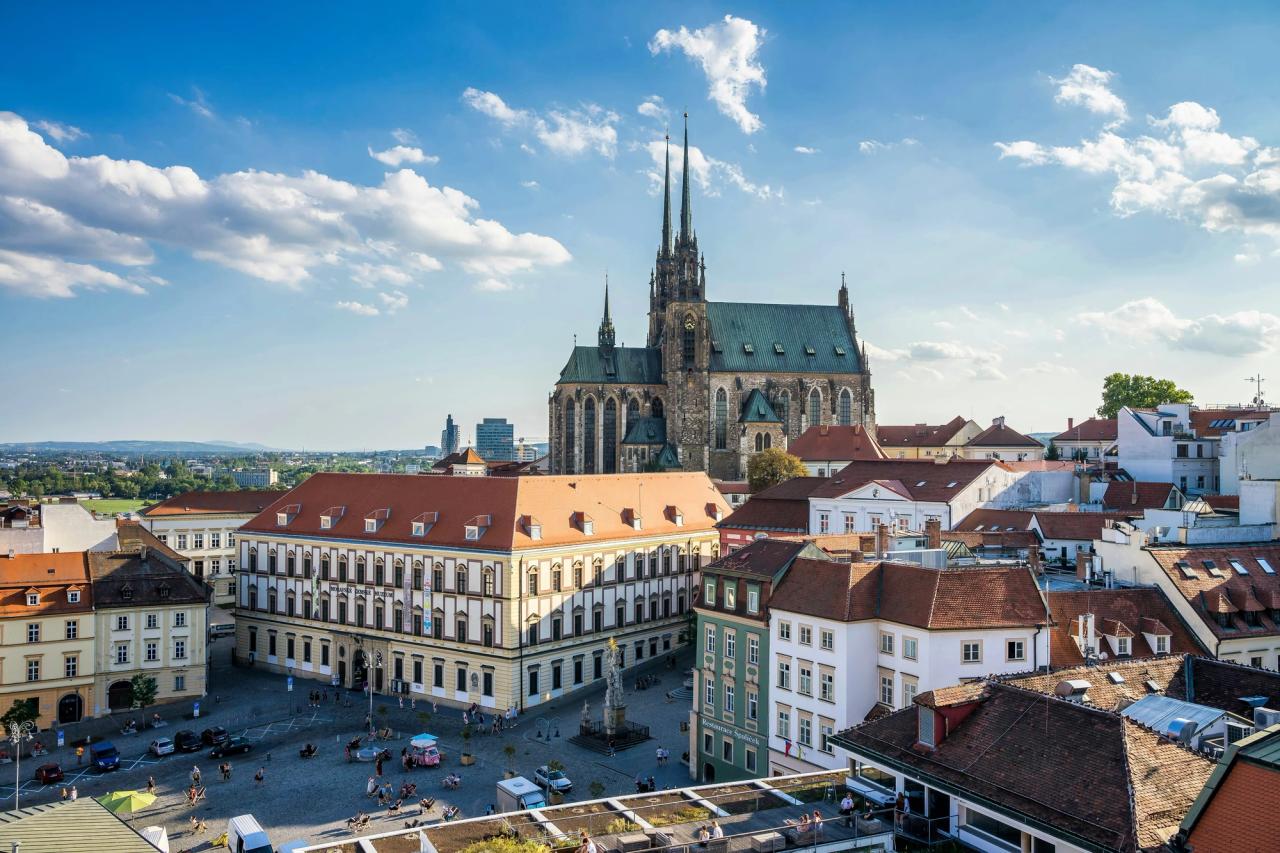
Brno è la seconda città più grande della Cechia e la capitale della Moravia, un vivace centro tecnologico, di ricerca e di vita universitaria. Con circa 402.000 abitanti, offre l'energia di una grande città senza le folle turistiche di Praga. Il fiorente settore IT di Brno, le università di livello mondiale e la sua famosa cultura dei caffè rilassata l'hanno resa una calamita per ingegneri, ricercatori e nomadi digitali in cerca di accessibilità economica e qualità della vita nell'Europa centrale.
La città sorge alla confluenza dei fiumi Svratka e Svitava nella Moravia del Sud, circondata da dolci colline e zone vinicole. Il suo centro compatto — dominato dal Castello di Špilberk in cima alla collina e dalla Cattedrale di San Pietro e Paolo — è percorribile a piedi in un pomeriggio, ma la profondità culturale e sociale ripaga di un soggiorno ben più lungo.
Brno in Breve
- Popolazione
- 402.000 (area metropolitana: 729.000)
- Regione
- Moravia del Sud
- Conosciuta Per
- Castello di Špilberk, Villa Tugendhat (UNESCO), scena tech/startup
- Affitto Medio (1 camera)
- CZK 14.000–20.000/mese
- Stipendio Medio
- CZK 38.000–48.000/mese netto
- Comunità Expat
- In crescita – forte presenza IT e accademica, circa 50.000+ stranieri
Perché Trasferirsi a Brno
- Polo tecnologico: Sede di Red Hat, IBM, Honeywell e centinaia di startup — Brno è spesso definita la "Silicon Valley dell'Europa centrale". L'inglese è la lingua di lavoro nella maggior parte degli uffici multinazionali.
- Costo inferiore rispetto a Praga: Gli affitti sono del 30–40% più economici e il costo della vita complessivo è notevolmente inferiore, mentre gli stipendi nel settore tech rimangono competitivi.
- Energia universitaria: L'Università Masaryk, il Politecnico di Brno (VUT) e l'Università Mendel portano oltre 80.000 studenti, mantenendo la città giovane, dinamica e culturalmente ricca.
- Compatta e percorribile a piedi: La maggior parte del centro città è a misura di pedone e i tram raggiungono ogni quartiere in meno di 20 minuti.
- Accesso alla zona vinicola: La Moravia del Sud è il cuore vinicolo della Repubblica Ceca — le regioni di Pálava e Znojmo si trovano a 45–60 minuti a sud, perfette per degustazioni nel weekend.
- Snodo dell'Europa centrale: I treni diretti per Praga (2,5 ore), Vienna (1,5 ore), Bratislava (1,5 ore) e Budapest (4 ore) rendono Brno una comoda base per i viaggi nella regione.
Trovare Alloggio a Brno
Affitti Medi
| Quartiere | 1 Camera da Letto | 3 Camere da Letto | Caratteristiche |
|---|---|---|---|
| Brno-střed (Centro) | CZK 16.000–22.000 | CZK 28.000–38.000 | Centro storico, percorribile a piedi, vita notturna |
| Královo Pole | CZK 13.000–18.000 | CZK 24.000–33.000 | Uffici tech, famiglie, parchi |
| Žabovřesky | CZK 13.000–17.000 | CZK 22.000–30.000 | Tranquillo, verde, collegato con il tram |
| Veveří | CZK 14.000–19.000 | CZK 25.000–34.000 | Adatto agli studenti, vicino all'università |
| Štýřice | CZK 14.000–20.000 | CZK 26.000–36.000 | Sul fiume, appartamenti moderni, tranquillo |
| Líšeň | CZK 11.000–15.000 | CZK 19.000–26.000 | Economico, panelák, accesso alla natura |
Come Trovare Alloggio
- Sreality.cz: Il principale portale immobiliare ceco — gli annunci sono in ceco; usi il traduttore del browser.
- Bezrealitky.cz: Annunci diretti dal proprietario che eliminano le commissioni delle agenzie.
- Gruppi Facebook: "Brno – Bydlení (Housing)" e "Foreigners in Brno" pubblicano annunci quotidiani.
- Agenti immobiliari: Agenzie come REALITY Brno o M&M Reality gestiscono contratti in inglese per una commissione pari a un mese d'affitto.
- Coinquilini: Spolubydlici.cz e i gruppi Facebook per appartamenti condivisi sono popolari tra studenti e giovani professionisti.
Consigli per Expat
- Le zone universitarie (Veveří, Královo Pole) hanno un alto ricambio in estate — il momento migliore per cercare è giugno–agosto.
- Si aspetti di pagare il primo mese d'affitto più un deposito di 1–2 mesi prima di trasferirsi.
- Molti appartamenti più vecchi di Brno non hanno l'ascensore — verifichi prima di firmare se questo è importante per Lei.
- Verifichi se le "služby" (spese di servizio per acqua, rifiuti e manutenzione dell'edificio) sono incluse nell'affitto indicato.
- Il mercato degli affitti di Brno si muove più velocemente di quello di Praga per gli appartamenti a prezzi accessibili — risponda rapidamente agli annunci interessanti.
Guida ai Quartieri
- Brno-střed (Centro): Il cuore pulsante — Piazza della Libertà (náměstí Svobody), il Castello di Špilberk e la maggior parte delle attrazioni principali, tra cui il Mercato delle Verdure (Zelný trh) con il suo mercato contadino del sabato. Ideale per chi vuole tutto a portata di mano. Gli affitti più alti della città.
- Královo Pole: A nord-est del centro, ricco di parchi tecnologici (tra cui lo Spielberk Office Centre) e uffici aziendali. Adatto alle famiglie con buone scuole e aree giochi. Ottimi collegamenti in tram con il centro in 12 minuti.
- Žabovřesky: Un quartiere residenziale verde a ovest del centro, popolare tra famiglie e professionisti che desiderano tranquillità senza isolamento. Il Bosco Wilson (Wilsonův les) è una gemma locale per passeggiate e jogging. I tram 3 e 11 collegano al centro.
- Veveří: Adiacente al campus universitario — vivace, economico e pieno di pub a prezzi contenuti e attività orientate agli studenti. Ideale per i giovani expat con budget limitato che desiderano una vita sociale attiva. La zona intorno a via Kounicova ha un'alta concentrazione di ristoranti e bar.
- Štýřice: A sud del centro lungo il fiume Svratka. Condomini moderni, strutture sportive (tra cui uno stadio natatorio) e un'atmosfera più tranquilla. Sempre più popolare tra le famiglie expat che preferiscono edifici più recenti.
- Líšeň: Al margine orientale della città — edilizia panelák (dell'era comunista) ma molto economica, con collegamenti in autobus e vicinanza all'area naturale di Mariánské údolí (una lunga valle verde ideale per passeggiate e ciclismo). Ideale per gli expat attenti al budget.
Costo della Vita a Brno
Ripartizione del Budget Mensile
| Categoria | Fascia di Budget (CZK) |
|---|---|
| Affitto (1 camera, centro) | 16.000–22.000 |
| Utenze | 2,500–3,500 |
| Internet | 400–700 |
| Spesa alimentare | 5,500–7,500 |
| Trasporti (abbonamento mensile) | 550 |
| Pasti fuori casa (4 volte/mese) | 2,500–4,000 |
| Tempo libero/Palestra | 800–1,500 |
| Totale | 28,250–39,750 |
Costi quotidiani
- Caffè (flat white): CZK 90–120
- Pranzo (menu del giorno / denní menu): CZK 140–190
- Abbonamento mensile ai trasporti: CZK 550
- Birra (0,5L, bar): CZK 45–65
- Biglietto del cinema: CZK 200–250
- Pagnotta di pane: CZK 30–45
- Abbonamento mensile in palestra: CZK 700–1.200
- Visita medica (privata): CZK 1.200–2.500
Spostarsi a Brno
- Trasporto pubblico: Rete integrata di tram, filobus e autobus gestita da DPMB. L’abbonamento mensile costa CZK 550, quello annuale CZK 4.750. I servizi operano dalle 5:00 alle 23:30 con autobus notturni successivamente.
- Ciclismo: Il centro di Brno è relativamente pianeggiante e la rete di piste ciclabili è in espansione. Il bike-sharing Rekola è molto diffuso nei mesi più caldi. La pista ciclabile lungo il fiume Svratka collega i principali quartieri e si estende fino alla campagna.
- Guida: I parcheggi nel centro città sono limitati e a zona. La maggior parte degli expat utilizza i trasporti pubblici per gli spostamenti quotidiani. Le autostrade D1 e D2 collegano Brno rispettivamente a Praga e Bratislava.
- Aeroporto: L’aeroporto di Brno-Tuřany (BRQ) — voli di linea limitati (Londra, Bergamo, rotte stagionali). La maggior parte degli expat vola tramite Vienna (1,5 ore in treno) o Praga (2,5 ore). I collegamenti in autobus e treno con entrambi gli aeroporti sono semplici.
- Treni intercity: Treni diretti per Praga (2,5 ore, RegioJet/ČD), Vienna (1,5 ore) e Bratislava (1,5 ore). La stazione principale di Brno (Hlavní nádraží) è situata in posizione centrale. I pullman RegioJet offrono alternative economiche con caffè gratuito e Wi-Fi a bordo.
Sanità a Brno
- Ospedali/Cliniche: L’Ospedale Universitario di Brno (Fakultní nemocnice Brno) è il più grande della Moravia. L’Ospedale di Sant’Anna (Fakultní nemocnice u sv. Anny) è un’altra importante struttura pubblica con un moderno pronto soccorso e ospedale universitario per la Masaryk University.
- Medici di lingua inglese: Disponibili presso cliniche private come GHC Brno e MediClinic. Il personale degli ospedali pubblici potrebbe avere una conoscenza limitata dell’inglese, ma è generalmente professionale ed efficiente.
- Farmacie: Diffuse capillarmente (lékárna). Le farmacie nei centri commerciali hanno spesso orari prolungati. I farmaci con ricetta richiedono una prescrizione ceca o EU.
- Numero di emergenza: 112 o 155 (ambulanza).
- Assicurazione sanitaria: L’assicurazione pubblica è obbligatoria per i residenti. I cittadini EU possono utilizzare la EHIC per i soggiorni iniziali. I cittadini extra-UE devono fornire prova di copertura assicurativa per le domande di visto e permesso di soggiorno.
Ricevi un piano di trasloco personalizzato
Lascia la tua e-mail e ti invieremo una checklist su misura piu tre preventivi da traslocatori verificati.
Cultura e stile di vita
- Castello e storia: Il Castello di Špilberk sovrasta la città e ospita mostre, concerti e offre viste panoramiche dai suoi bastioni. Villa Tugendhat è un’icona dell’architettura modernista inserita nel patrimonio UNESCO — prenotate i biglietti con largo anticipo.
- Cultura del caffè: La scena dei caffè di Brno rivaleggia con Vienna — i locali più apprezzati includono il Café Placzek, Rebelbean, SKÅG e Piknik Box. Il caffè di qualità è motivo di orgoglio locale e parte essenziale della vita quotidiana di molti residenti di Brno.
- Scena underground e alternativa: Le cantine labirintiche ospitano bar, escape room e gallerie. Kabinet Múz e Fléda sono i principali locali di musica dal vivo. La città ha una forte comunità artistica DIY con inaugurazioni di mostre regolari e street art.
- Accesso alla natura: Le grotte del Carso Moravo (30 min a nord) con la famosa Voragine di Macocha, la regione vinicola di Pálava (45 min a sud) e gli altopiani dello Šumava sono tutte facili gite di un giorno. Il Lago di Brno (Přehrada) è una meta estiva molto frequentata per nuotare e fare gite in barca.
Gastronomia e ristorazione
- La cucina morava propone maiale arrosto con gnocchi di pane e crauti, svíčková, e vini locali dei vigneti della Moravia del Sud. Provate il burčák locale (mosto d’uva parzialmente fermentato) a settembre — una tradizione stagionale.
- La zona dello Zelný trh (Mercato del Cavolo) e la via Veveří sono ricche di ristoranti che spaziano dalla cucina tradizionale ceca a quella tailandese, messicana, indiana e georgiana.
- I menu del pranzo (denní menu) costano in genere CZK 140–190 e rappresentano il modo più economico per mangiare fuori. Molti ristoranti offrono 3–4 opzioni giornaliere, inclusa una scelta vegetariana.
Comunità expat
- Foreigners in Brno (gruppo Facebook, oltre 25.000 membri) è il principale hub online per gli expat.
- InterNations Brno organizza eventi sociali mensili e serate di networking.
- Il sistema buddy della Masaryk University abbina gli studenti internazionali a tutor locali.
- Gli incontri di scambio linguistico in bar come il Super Panda Circus e il Bar, Která Neexistuje attraggono un pubblico misto di locali e stranieri.
Mercato del lavoro a Brno
- Settori principali: IT e sviluppo software, ingegneria automobilistica, aerospaziale, centri di servizi condivisi, ricerca e mondo accademico.
- Principali datori di lavoro: Red Hat, IBM, Honeywell, Siemens, Kiwi.com, Zebra Technologies, Y Soft, NetSuite/Oracle, SolarWinds.
- Salari medi per settore:
| Settore | Retribuzione netta mensile media (CZK) |
|---|---|
| IT / Software | 50,000–80,000 |
| Ingegneria / Automotive | 40,000–60,000 |
| Servizi condivisi / SSC | 33,000–45,000 |
| Ricerca / Accademia | 30,000–45,000 |
| Istruzione / TEFL | 25,000–35,000 |
- Risorse per la ricerca di lavoro: Jobs.cz, StartupJobs.cz, LinkedIn, Profesia.cz e Grafton Recruitment Brno. La scena del coworking di Brno (Impact Hub, Sál architektů, Coworking Brno) funge anche da luogo di networking per startup e liberi professionisti.
Istruzione a Brno
- Scuole internazionali: International School of Brno (ISB), QSI International School of Brno.
- Università: Masaryk University (la seconda più grande della Repubblica Ceca), Brno University of Technology (VUT), Mendel University, Janáčkova akademie múzických umění (musica e arti dello spettacolo).
- Scuole di lingue: Tomáš Garrigue Masaryk Language School, Slanguages, corsi di ceco presso il Centro Linguistico della Masaryk University.
Visti e residenza
- Cittadini EU/EEA: Nessun visto richiesto. Registrare la residenza temporanea se si soggiorna per più di 30 giorni presso il Ministero degli Interni. Dopo 5 anni, è possibile richiedere la residenza permanente.
- Cittadini extra-UE: Carta di lavoro (zaměstnanecká karta), Blue Card per lavoratori altamente qualificati o visto studente. Il processo richiede 60–90 giorni.
- Lavoro autonomo: È richiesta la licenza commerciale (živnostenský list) — registrarsi presso l’ufficio licenze commerciali, l’ufficio delle imposte e la previdenza sociale (ČSSZ).
- Percorso verso la cittadinanza: Dopo 5 anni di residenza permanente, superare un esame di lingua ceca (A2) e dimostrare integrazione. La doppia cittadinanza è consentita.
Lista di controllo per il trasferimento a Brno
- Ottenere il visto o il permesso di soggiorno se non si è cittadini EU
- Far apostillare i documenti e farli tradurre in ceco
- Iniziare la ricerca di alloggio 4–6 settimane prima dell’arrivo
- Procurarsi un'assicurazione sanitaria valida in Repubblica Ceca
- Unirsi al gruppo Facebook Foreigners in Brno per consigli locali
- Registrarsi alla Polizia per gli Stranieri (Cizinecká policie) entro 3 giorni lavorativi dall'arrivo
- Aprire un conto bancario ceco (Fio banka offre conti gratuiti; ČSOB e Česká Spořitelna sono molto diffuse)
- Acquistare un abbonamento ai trasporti pubblici presso un ufficio DPMB o tramite l'app Sejf
- Procurarsi una SIM ceca (T-Mobile, Vodafone o O2)
- Registrare il proprio indirizzo presso il municipio locale
- Iscriversi a un'assicurazione sanitaria (VZP per quella pubblica, oppure a un assicuratore privato)
- Richiedere una licenza commerciale se si è lavoratori autonomi
- Esplorare i quartieri di Brno prima di impegnarsi in un contratto d'affitto a lungo termine
- Partecipare a un incontro per expat o a un evento di scambio linguistico
- Visitare il Castello di Špilberk e il mercato degli agricoltori Zelný trh
- Richiedere la carta di soggiorno a lungo termine se necessario
- Iscrivere i bambini a scuola se necessario
- Immatricolare la propria auto (se importata) presso l'ufficio comunale
- Fare una gita nel weekend nella regione vinicola di Pálava
Informazioni sulla sicurezza e le emergenze
- Sicurezza generale: Brno è molto sicura secondo gli standard europei. I crimini violenti sono rari e il centro città è ben illuminato e frequentato fino a sera.
- Borseggio: può verificarsi nei pressi della stazione ferroviaria principale e sui tram affollati durante le ore di punta. Si raccomandano le normali precauzioni.
- Sicurezza notturna: il centro, la zona del Castello di Špilberk e le principali vie della movida sono sicuri di notte. Evitare i parchi scarsamente illuminati dopo la mezzanotte.
- Numeri di emergenza: 112 (centrale EU), 155 (ambulanza), 158 (polizia), 150 (vigili del fuoco).
- Indirizzo della Polizia per gli Stranieri: Cizinecká policie Brno, Kounicova 23. Presentarsi prima dell'apertura per evitare lunghe attese. Portare originali e copie di tutti i documenti.
- Passaporto smarrito: contattare la propria ambasciata o consolato. La maggior parte si trova a Praga (a 1,5–2,5 ore di distanza), ma alcuni paesi dispongono di consolati onorari a Brno.
Lingua e integrazione
Imparare il ceco a Brno è più utile che a Praga, perché l'inglese è meno diffuso al di fuori degli ambienti tecnologici e universitari. Ecco cosa aspettarsi:
- Livello A1 (base): 3–6 mesi di studio. Sufficiente per ordinare da mangiare, chiedere indicazioni e fare una conversazione di base con i vicini.
- Livello A2 (elementare): 6–12 mesi. Richiesto per la cittadinanza ceca. Sufficiente per la maggior parte degli uffici pubblici e le commissioni quotidiane.
- Dove imparare: il Centro Linguistico dell'Università di Masaryk offre corsi per studenti internazionali e per il pubblico. I tutor privati chiedono tra CZK 350 e 550 all'ora. Brno dispone anche di caffè linguistici informali dove i cechi aiutano gli stranieri a fare pratica.
- Difficoltà della lingua ceca: il ceco è una lingua slava con sette casi grammaticali, il che la rende più difficile del tedesco o del francese per chi parla inglese. Tuttavia, la pronuncia è coerente e prevedibile una volta apprese le regole.
- Atteggiamento locale: i residenti di Brno (Brňáci) parlano con un lieve dialetto moravo che si discosta leggermente dal ceco standard. La gente del posto apprezza qualsiasi sforzo di parlare il ceco ed è generalmente accogliente verso i nuovi arrivati che ci provano.
Frasi ceche utili per la vita quotidiana
| Inglese | Ceco |
|---|---|
| Ciao | Dobrý den (dob-ree den) |
| Grazie | Děkuji (dyeh-koo-yi) |
| Per favore / Prego | Prosím (pro-seem) |
| Non parlo ceco | Nemluvím česky (nem-loo-veem ches-kee) |
| Quanto costa? | Kolik to stojí? (ko-lik to stoy-ee?) |
| Il conto, per favore | Platit, prosím (pla-tit, pro-seem) |
| Scusi | Promiňte (pro-minte) |
| Dov'è...? | Kde je...? (gdeh yeh...?) |
Utenze e configurazione pratica
- Elettricità e gas: dominati da ČEZ e E.ON. I contratti vengono di solito ereditati dall'inquilino precedente. La bolletta mensile dell'elettricità per un bilocale si aggira tra CZK 800 e 1.200.
- Acqua: fornita da Brněnské vodárny a kanalizace. Inclusa nella maggior parte delle spese "služby". Costo mensile: CZK 300–600.
- Internet: Vodafone, O2 e T-Mobile offrono pacchetti in fibra da CZK 400–700 al mese per 100+ Mbps. Brno ha una buona copertura in fibra nella maggior parte dei quartieri.
- Raccolta rifiuti: inclusa nelle tariffe comunali. I bidoni della raccolta differenziata si trovano in ogni strada. Brno ha una forte cultura del riciclo.
- Canone TV e radio: le famiglie ceche pagano un canone radiotelevisivo (CZK 135 al mese per la TV, CZK 45 al mese per la radio), aggiunto automaticamente alla bolletta dell'elettricità.
Guide correlate
- [Trasferirsi in Repubblica Ceca] – guida completa sul paese
- [Trasferirsi a Praga] – guida alla capitale
- [Trasferirsi a Olomouc] – la gemma universitaria nascosta della Moravia