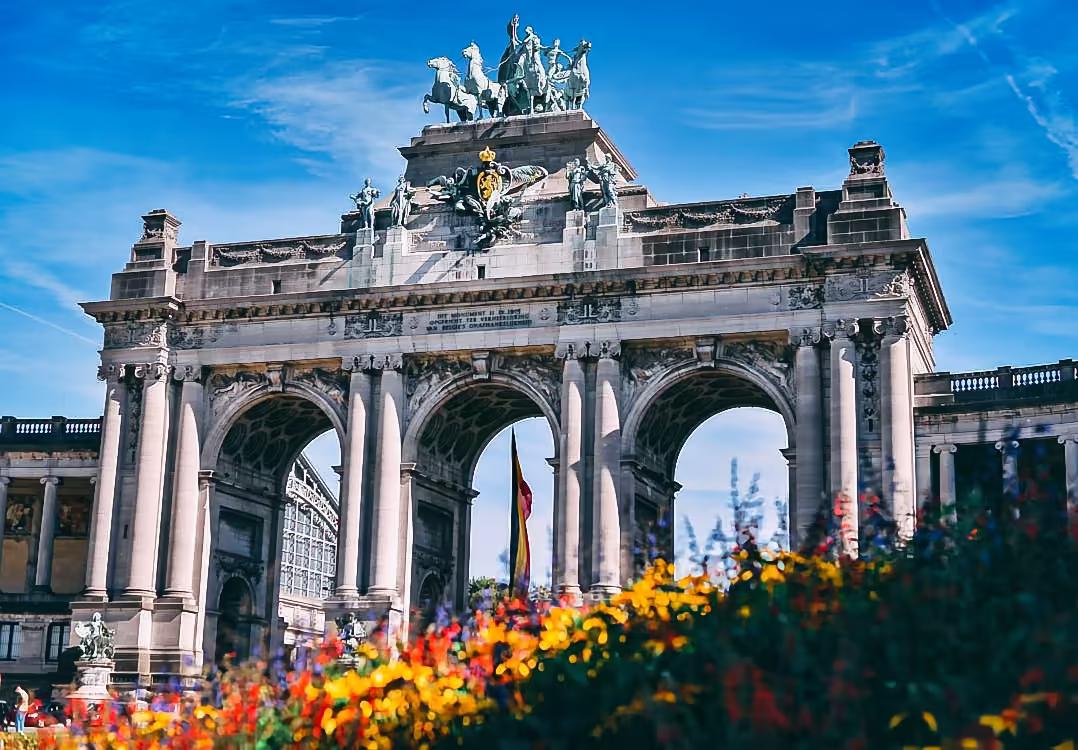
Stai pianificando un trasferimento in Belgio? Cuore dell'UE e della NATO, il Belgio attrae ogni anno migliaia di professionisti internazionali. Con tre lingue ufficiali, cioccolato e birra di livello mondiale e una cultura al contempo complessa e affascinante, il Belgio offre un'esperienza europea unica. Questa guida copre tutto il necessario per un trasferimento senza intoppi nel 2026.
Belgio in sintesi

- Popolazione
- Circa 11,7 milioni
- Capitale
- Bruxelles
- Valuta
- Euro (EUR)
- Stipendio medio
- Circa €2.500/mese netto (€35.000-€42.000/anno lordo)
- Lingua
- Olandese (Fiandre), francese (Vallonia), tedesco (est); inglese ampiamente parlato a Bruxelles
- Clima
- Temperato oceanico — inverni miti, estati fresche, piogge frequenti
- Fuso orario
- Ora dell'Europa centrale: CET (UTC+1) / CEST in estate (UTC+2)
Perché trasferirsi in Belgio nel 2026
- Capitale UE e NATO: Bruxelles ospita la Commissione europea, il Parlamento europeo e la NATO — creando una grande comunità internazionale e un ampio mercato del lavoro.
- Posizione centrale in Europa: Parigi è a 1,5 ore in treno, Londra a 2 ore, Amsterdam a 2 ore, Colonia a 1,5 ore.
- Ambiente multilingue: esposizione all'olandese, al francese e al tedesco — più l'inglese diffuso a Bruxelles.
- Sanità eccellente: il sistema sanitario belga è tra i migliori d'Europa, con assicurazione obbligatoria che copre la maggior parte dei costi.
- Alta qualità della vita: buone infrastrutture, eccellenti trasporti pubblici, ricca scena culturale.
- Cultura culinaria variegata: famoso per il cioccolato, le waffel, la birra, le cozze e le patatine fritte — più un'eccellente cucina internazionale.
- Forte tutela dei lavoratori: ferie generose (minimo 20 giorni), contratti di lavoro solidi e previdenza sociale completa.
Costi del trasloco in Belgio
Costi per regione di provenienza
| Provenienza | Fascia di costo stimata | Tipo di spedizione |
|---|---|---|
| Dal Regno Unito al Belgio | €800 - €2.000 | Carico parziale / container condiviso |
| Dagli USA al Belgio | €3.200 - €6.500 | Container da 20 piedi |
| Dalla Germania al Belgio | €500 - €1.500 | Carico parziale / container condiviso |
| Dalla Francia al Belgio | €500 - €1.500 | Carico parziale / container condiviso |
| All'interno del Belgio | €300 - €800 | Furgone per traslochi |
Dettaglio dei costi
- Trasporto: €400 - €3.500 in base alla distanza e al volume
- Assicurazione: €80 - €300
- Sdoganamento: gratuito per i trasferimenti intra-UE; €100-€300 per quelli extra-UE
- Materiali da imballaggio: €80 - €250
- Deposito: €40 - €150/mese
Caso reale: "Mi sono trasferita da Parigi a Bruxelles a gennaio 2025 con circa 12 metri cubi di roba. Il costo totale è stato di circa €1.100 — molto più facile del previsto, essendo all'interno dell'UE." — Claire D., trasferitasi a gennaio 2025
Hai bisogno di un preventivo personalizzato?
Ricevi tre preventivi da ditte di traslochi selezionate in meno di 48 ore.
Requisiti per il visto e la residenza
Per i cittadini UE/SEE
I cittadini UE possono vivere e lavorare in Belgio senza visto. Devono:
- Registrarsi presso il proprio comune (gemeente/municipalité) entro 8 giorni dall'arrivo
- Ottenere il certificato di registrazione (attestation d'enregistrement/attest van inschrijving)
- Ricevere il Numero Nazionale (Numéro National/Rijksregisternummer)
Per i cittadini extra-UE: principali categorie di visto
Permesso unico (lavoro + residenza)
- Per chi è: dipendenti con un'offerta di lavoro da un datore di lavoro belga
- Requisiti: contratto di lavoro, il datore di lavoro richiede l'autorizzazione al lavoro all'autorità regionale (Bruxelles Formation, VDAB, Forem o ADG a seconda della regione)
- Durata: coincide con il contratto, di norma 1 anno rinnovabile
- Dettaglio chiave: dal 2019, il permesso di lavoro e quello di soggiorno sono combinati in un unico "Permesso unico"
EU Blue Card
- Per chi è: lavoratori extra-UE altamente qualificati
- Requisiti: laurea universitaria + stipendio superiore alla soglia (~€57.000–€69.000/anno per il 2026, variabile per regione — Bruxelles: ~€56.976/anno; Vallonia: ~€68.815/anno; Fiandre: ~€63.586+/anno)
- Durata: fino a 4 anni
- Dettaglio chiave: facilita la mobilità nell'UE dopo 18 mesi
Carta professionale (Carte Professionnelle/Beroepskaart)
- Per chi è: lavoratori autonomi, freelance, imprenditori
- Requisiti: piano aziendale che dimostri l'interesse economico per il Belgio, prova delle qualifiche
- Durata: fino a 5 anni
- Dettaglio chiave: la richiesta si presenta all'autorità economica regionale
Visto studentesco
- Per chi è: iscritti a istituti di istruzione belgi
- Requisiti: accettazione universitaria, prova della disponibilità economica, assicurazione sanitaria
- Durata: per tutta la durata degli studi
- Dettaglio chiave: è possibile lavorare fino a 20 ore settimanali durante il periodo accademico
Ricongiungimento familiare
- Per chi è: per ricongiungimento con un familiare che risiede legalmente in Belgio
- Requisiti: alloggio adeguato, reddito sufficiente, assicurazione sanitaria
- Durata: coincide con il permesso di soggiorno del richiedente principale
- Dettaglio chiave: la procedura può richiedere 6-12 mesi
- Passaporto valido
- Visto (se applicabile)
- Prova dell'indirizzo (contratto d'affitto o atto di proprietà)
- Foto formato tessera
- Certificato di nascita (apostillato/tradotto)
Trovare alloggio in Belgio
Affitti medi nelle principali città (2025-2026)
| Città | 1 camera (centro) | 1 camera (periferia) | 3 camere (centro) | Livello di mercato |
|---|---|---|---|---|
| Bruxelles | €800 - €1.200 | €600 - €900 | €1.400 - €2.200 | Competitivo |
| Anversa | €650 - €950 | €500 - €750 | €1.100 - €1.800 | Moderato |
| Gand | €600 - €900 | €450 - €700 | €1.000 - €1.600 | Moderato |
| Leuven | €600 - €900 | €450 - €700 | €1.000 - €1.600 | Competitivo (città universitaria) |
| Liegi | €450 - €700 | €350 - €550 | €750 - €1.200 | Accessibile |
| Bruges | €550 - €850 | €400 - €650 | €900 - €1.500 | Accessibile |
Come trovare un alloggio
Piattaforme online:
- Immoweb.be: il principale portale immobiliare del Belgio
- Zimmo.be: aggregatore che raccoglie annunci da più siti
- 2dehands.be / Tweedehands.be: annunci economici, direttamente dai proprietari
- Spotahome: tour virtuali, popolare tra gli expat
Documenti necessari per affittare
- Documento d'identità/passaporto valido
- Numero Nazionale (o prova di registrazione)
- Contratto di lavoro o prova del reddito (requisito tipico: 3 volte l'affitto)
- Estratti conto bancari (ultimi 3 mesi)
- A volte un garante
Consigli per gli stranieri
- Gli appartamenti ammobiliati sono meno comuni rispetto ad altri paesi europei
- I costi di riscaldamento possono essere elevati — verifica il certificato di prestazione energetica (EPC)
- Molti edifici più vecchi hanno vetri singoli — chiedi dell'isolamento termico
- A Bruxelles, considera la vicinanza alle istituzioni UE se lavori nel settore
- Nelle città di lingua olandese (Gand, Anversa) alcuni proprietari potrebbero richiedere la conoscenza del nederlandese
Sanità e assicurazione
Il Belgio dispone di un eccellente sistema sanitario con assicurazione sanitaria obbligatoria.
Come funziona
Tutti i residenti devono iscriversi a un fondo di mutua (mutuelle/ziekenfonds), che rimborsa la maggior parte delle spese mediche. Il sistema copre circa il 75-80% delle spese sanitarie, mentre il resto è coperto dall'assicurazione complementare o di tasca propria.
Fondi di mutua sanitaria (Mutuelles/Ziekenfonds)
Devi iscriverti a uno dei fondi riconosciuti:
- CM/MC (Christelijke Mutualiteit/Mutualité Chrétienne): il fondo più grande
- Solidaris/Socialistische Mutualiteit: mutua socialista
- Helan (ex Onafhankelijk Ziekenfonds): indipendente
- LM (Liberale Mutualiteit/Mutualité Libérale): mutua liberale
- OZ (Onafhankelijk Ziekenfonds): un'altra opzione popolare
Costo: l'iscrizione di base è gratuita (finanziata dai contributi sociali). Assicurazione complementare (ricovero, dentistica, ottica): €10-€50/mese a seconda del piano.
Costi sanitari
- Visita medico di base: €25-€30 (circa €20 rimborsati dall'assicurazione)
- Visita specialistica: €30-€60 (parzialmente rimborsata)
- Prescrizioni: parzialmente rimborsate (di norma 75-80%)
- Ricovero ospedaliero: coperto principalmente dall'assicurazione + complementare
- Dentistica: la cura di base è coperta; interventi maggiori parzialmente coperti
- Complementare (ricovero): copre camera singola e trattamenti non standard
Ottenere la tessera sanitaria
-
Registrarsi presso il comune (ottenere il Numero Nazionale)
-
Iscriversi a un fondo di mutua (mutualiteit/mutualité)
-
Ricevere la tessera sanitaria eID (tessera SIS)
-
Presentarla presso medici, farmacie e ospedali per la fatturazione diretta
Ottieni un piano di trasferimento personalizzato
Inserisci la tua email e ti invieremo una checklist su misura più tre preventivi da traslochisti verificati.
Banca e finanza
Aprire un conto bancario
Documenti necessari:
- Passaporto o documento d'identità valido
- Numero Nazionale (o prova di registrazione)
- Prova dell'indirizzo
Migliori banche per expat
KBC/CBC
- Strong in Flanders and Brussels
BNP Paribas Fortis
- Largest bank in Belgium
ING Belgium
- Good digital services
Belfius
- Public-sector focused
Argenta
- Low-cost
- popular for savings
Le principali banche:
KBC/CBC: presenza solida nelle Fiandre e a Bruxelles
- BNP Paribas Fortis: la più grande banca in Belgio
- ING Belgium: buoni servizi digitali
- Belfius: orientata al settore pubblico
- Argenta: a basso costo, popolare per il risparmio
Sistema fiscale
Il Belgio ha una delle aliquote fiscali sul reddito più elevate d'Europa:
- Imposta sul reddito: aliquote progressive dal 25% al 50%
- Contributi sociali: ~13,07% dello stipendio lordo
- Imposta comunale: aggiuntiva tra 0 e 9% sull'imposta sul reddito (varia per comune)
- IVA: 21% ordinaria, 12% ridotta, 6% super-ridotta
- Numero Nazionale (Numéro National/Rijksregisternummer)
Rilasciato automaticamente al momento della registrazione al comune. Indispensabile per:
Lavoro e busta paga
| Città | Budget per una persona | Budget per famiglia di 3 | Livello dei costi |
|---|---|---|---|
| Bruxelles | €1.500 - €2.300 | €2.800 - €4.500 | Alto |
| Anversa | €1.200 - €1.800 | €2.300 - €3.600 | Moderato |
| Gand | €1.100 - €1.700 | €2.200 - €3.500 | Moderato |
| Liegi | €900 - €1.400 | €1.800 - €2.800 | Medio-basso |
Dettaglio dei costi
Alloggio:
- 1 camera (centro città): €650 - €1.200/mese
- Utenze (85m²): €150 - €250/mese (il riscaldamento può essere costoso)
- Internet: €30 - €50/mese
Spesa e alimentazione:
- Spesa mensile (1 persona): €250 - €400
- Pasto al ristorante (economico): €15 - €22
- Ristorante di fascia media per 2: €50 - €80
- Birra belga al bar: €3 - €5
Trasporti:
- Abbonamento mensile STIB/MIVB (Bruxelles): €56
- Treno (Bruxelles-Anversa): €8-€15
- Partenza taxi: €3-€6
Lingua e cultura
La situazione linguistica
Il Belgio ha tre regioni linguistiche ufficiali:
- Fiandre (nord): olandese (fiammingo)
- Vallonia (sud): francese
- Bruxelles: bilingue (francese-olandese), ma il francese è dominante nella vita quotidiana
- Cantoni dell'est: tedesco (piccola area vicino alla Germania)
A Bruxelles, la maggior parte delle organizzazioni internazionali opera in inglese, francese e talvolta in olandese. Al di fuori di Bruxelles, conoscere la lingua locale è importante.
Norme culturali
- I belgi sono più riservati di quanto la loro reputazione suggerisca — cordiali, ma non subito aperti
- La birra è una vera istituzione culturale — il Belgio conta oltre 1.500 varietà di birra
- La puntualità è apprezzata (meno rigorosa rispetto alla Germania, più che nell'Europa meridionale)
- Il bilinguismo/multilinguismo è comune e atteso
- Il cibo è importante — i pasti curati, i buoni ristoranti e la cultura dei mercati sono centrali nella vita quotidiana
Integrazione sociale
- Iscriviti a club locali, associazioni sportive o gruppi di expat
- I corsi di lingua (olandese/francese) sono ampiamente disponibili e sovvenzionati
- I gruppi di InterNations e Meetup sono attivi a Bruxelles, Anversa e Gand
- Opportunità di volontariato attraverso organizzazioni locali
Checklist del trasloco
- Ricerca i requisiti per il visto (se extra-UE)
- Assicurati un'offerta di lavoro o la conferma dello status di cittadino UE
- Inizia a imparare l'olandese o il francese (a seconda della regione)
- Richiedi preventivi per il trasloco
- Fai richiesta del visto (se extra-UE)
- Prenota la ditta di traslochi
- Organizza un alloggio temporaneo
- Registrati presso il comune (entro 8 giorni — obbligatorio)
- Acquista una SIM belga (Proximus, Base, Orange)
- Apri un conto bancario belga
- Iscriviti a un fondo di mutua (mutualiteit/mutualité)
- Inizia la ricerca di un alloggio
- Attiva le utenze
- Firma un contratto d'affitto e trasferisciti nell'alloggio definitivo
- Ricevi il Numero Nazionale
- Iscriviti ai corsi di lingua
Dove trovare strumenti e risorse
Strumenti di ReloAdvisor:
- Calcolatore del volume
- Sopralluogo video
- Calcolatore dei costi di trasloco
Risorse ufficiali belghe:
- Belgium.be — Portale ufficiale del governo
- VDAB — Agenzia per l'impiego delle Fiandre
- Actiris — Agenzia per l'impiego di Bruxelles
Comunità di expat:
- Expat.com Belgio
- Internations Belgio
- Brussels Expats (Facebook)
Guide correlate:
- Trasferirsi nei Paesi Bassi
- Trasferirsi in Francia