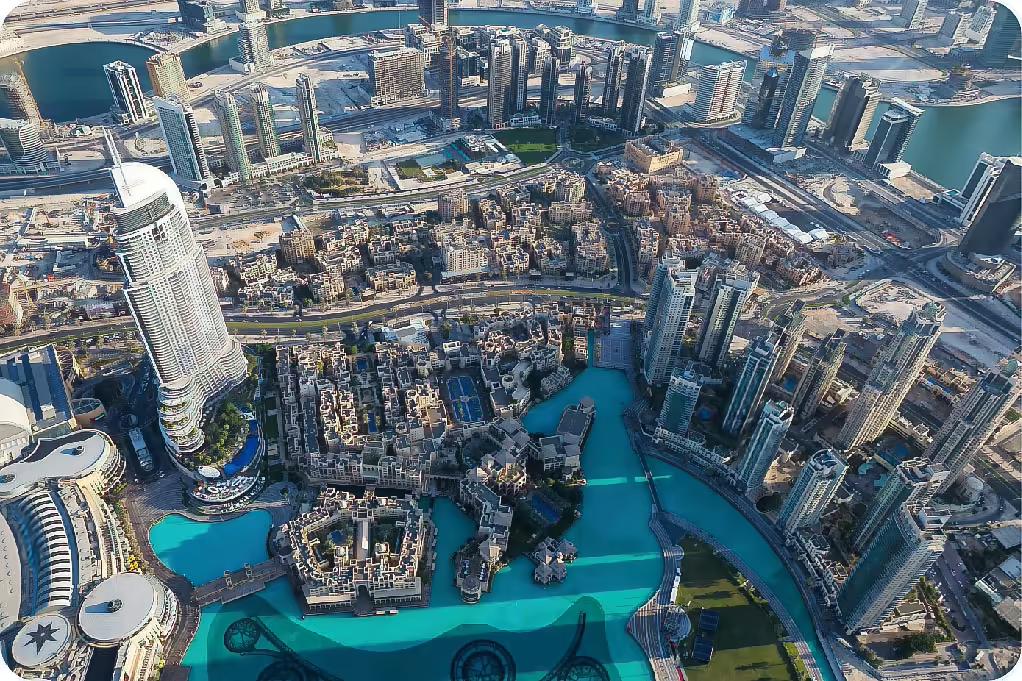
Pronto a trasferirti in una delle destinazioni più dinamiche al mondo? Se stai pianificando un trasloco negli Emirati Arabi Uniti, questa guida copre tutto, dalle vie di ottenimento del visto e dagli alloggi all'assistenza sanitaria, al sistema bancario e alla vita quotidiana nel deserto. Che tu stia cercando uno stipendio esente da imposte a Dubai o che tu voglia avviare un'impresa in una zona franca, qui troverai i passaggi pratici e i costi aggiornati.
Emirati Arabi Uniti a colpo d'occhio
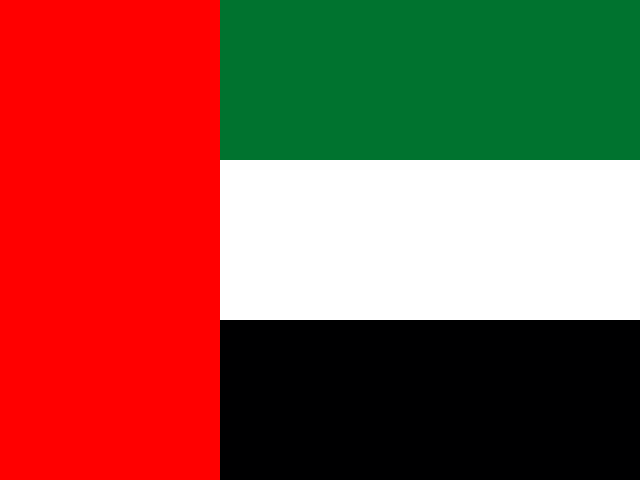
- Popolazione
- ~11,0 milioni
- Capitale
- Abu Dhabi
- Valuta
- Dirham degli Emirati Arabi Uniti (AED)
- Stipendio medio
- Circa 216.000 AED/anno (~18.000 AED/mese)
- Lingua
- Arabo (l'inglese è ampiamente parlato in tutti gli emirati)
- Clima
- Clima desertico caldo; inverni miti (nov–mar), estati torride (giu–set)
- Fuso orario
- Gulf Standard Time (GST, UTC+4)
Perché trasferirsi negli Emirati Arabi Uniti nel 2026
- Zero imposte sul reddito: Gli Emirati Arabi Uniti non applicano imposte sul reddito personale, il che significa che conservi l'intero stipendio.
- Infrastrutture di livello mondiale: Sistemi metro all'avanguardia, autostrade, aeroporti e iniziative smart city in tutti e sette gli emirati.
- Posizione strategica: Un crocevia globale che collega Europa, Asia e Africa con voli diretti verso oltre 240 destinazioni.
- Sicurezza e stabilità: Costantemente classificato tra i paesi più sicuri al mondo, con tassi di criminalità molto bassi.
- Comunità expat diversificata: Oltre l'85% dei residenti è composto da espatriati, creando un ambiente multiculturale e accogliente.
- Ambiente favorevole agli affari: Zone franche, proprietà straniera al 100% nella maggior parte dei settori e costituzione aziendale semplificata.
- Percorsi per la Golden Visa: Opzioni di residenza a lungo termine per investitori, imprenditori, professionisti qualificati e studenti meritevoli (GPA 3,5–3,8+, a seconda della classificazione universitaria).
Costi di trasferimento negli Emirati Arabi Uniti
I costi di spedizione internazionale variano in base all'origine, al volume e al metodo. Le tariffe di mercato tipiche all'inizio del 2026 sono:
| Tipo di trasloco | Tempo | Costo (AED) |
|---|---|---|
| Container da 20 piedi | 3–6 settimane | AED 7.700–11.900 |
| Container da 40 piedi | 3–6 settimane | AED 13.900–19.400 |
| Trasporto aereo (1 m³) | 4–7 giorni | AED 4.000–6.600 |
| Sdoganamento | — | AED 550–1.500 |
Costi di trasloco per provenienza
| Provenienza | Costo stimato (AED) | Volume trasportato |
|---|---|---|
| Regno Unito → EAU | AED 5.500–11.000 | 1-2 m3 |
| USA → EAU | AED 9.200–20.200 | Container da 20 piedi |
| India → EAU | AED 3.700–8.500 | 1-2 m3 |
| Australia → EAU | AED 12.800–25.600 | Container da 40 piedi |
| Europa (continente) → EAU | AED 6.000–14.000 | Container da 20 piedi |
Dettaglio dei costi
- Trasporto: AED 3.000–12.000 a seconda che si scelga il mare o l'aerea e del volume.
- Assicurazione: AED 500–2.000 per una copertura completa del transito.
- Sdoganamento: AED 550–1.500; gli effetti domestici sono generalmente esenti da dazi per i nuovi residenti.
- Materiale da imballaggio: AED 300–900 se non incluso nella quota del traslocatore.
- Deposito (se necessario): AED 200–600/mese per CBM in strutture climatizzate.
- Spese amministrative: AED 200–500 per documentazione e permessi.
Serve un preventivo personalizzato?
Ricevete tre preventivi da aziende di trasloco verificate in meno di 48 ore.
Requisiti per visto e residenza
Gli Emirati Arabi Uniti offrono diverse vie di residenza a seconda del proprio stato lavorativo, del livello di investimento e delle qualifiche. Tutti i visti sono elaborati tramite l'Autorità Federale per l'Identità, la Cittadinanza, le Dogane e la Sicurezza Portuale (ICP) o l'autorità immigratoria del rispettivo emirato.
Per i cittadini dei paesi del GCC
I cittadini dei paesi del Consiglio di Cooperazione del Golfo (Arabia Saudita, Kuwait, Bahrein, Oman, Qatar) non necessitano di visto per entrare negli Emirati Arabi Uniti e possono vivere e lavorare liberamente.
Per i cittadini di altri paesi: principali categorie di visto
Visto di lavoro (permesso di lavoro)
- A chi è rivolto: persone con un'offerta di lavoro confermata da un datore di lavoro autorizzato negli Emirati Arabi Uniti.
- Requisiti: contratto di lavoro, certificati di istruzione autenticati, visita medica di idoneità, richiesta dell'Emirates ID.
- Tempi di elaborazione: 2–4 settimane.
- Durata: in genere 2 anni, rinnovabile.
- Dettagli principali: il datore di lavoro agisce come sponsor e si occupa della maggior parte della documentazione. Il processo include un permesso di ingresso, adeguamento dello status, visita medica e rilascio dell'Emirates ID.
Golden Visa (5–10 anni)
- A chi è rivolto: investitori (AED 2 milioni+ in immobili o attività), imprenditori, ricercatori specializzati, studenti meritevoli (GPA 3.8+), professionisti qualificati in settori prioritari (scienza, ingegneria, sanità, IT) e pionieri umanitari.
- Requisiti: prova di qualifica o investimento, certificato penale pulito, assicurazione sanitaria valida.
- Tempi di elaborazione: 2–4 settimane.
- Durata: 5 o 10 anni, auto-sponsorizzato e rinnovabile.
- Dettagli principali: i titolari della Golden Visa possono sponsorizzare familiari e collaboratori domestici. Non esiste una durata massima di permanenza fuori dagli Emirati Arabi Uniti per la validità del visto — è possibile restare all'estero senza perdere la residenza.
Green Visa (auto-sponsorizzata, 5 anni)
- A chi è rivolto: lavoratori qualificati, freelance e lavoratori autonomi.
- Requisiti: stipendio minimo di AED 15.000/mese (lavoratori qualificati), prova di permesso freelance o di lavoro autonomo, laurea triennale o equivalente. La classificazione come lavoratore qualificato deve corrispondere ai livelli MOHRE 1–3.
- Tempi di elaborazione: 2–3 settimane.
- Durata: 5 anni, rinnovabile.
- Dettagli principali: non è richiesto uno sponsor datore di lavoro. I titolari della Green Visa hanno un periodo di tolleranza di 180 giorni dopo la cancellazione del visto (contro i 30 giorni dei visti di lavoro standard).
Visto per freelance / Green Residency per freelance
- A chi è rivolto: freelance nei settori media, tecnologia, istruzione e creativo.
- Requisiti: permesso freelance rilasciato da un'autorità di zona franca, prova di reddito o contratti.
- Tempi di elaborazione: 1–3 settimane.
- Durata: fino a 5 anni.
Visto per investitori/partner
- A chi è rivolto: persone che investono o costituiscono un'impresa negli Emirati Arabi Uniti.
- Requisiti: prova dell'investimento (il minimo varia per emirato e settore), licenza commerciale, contratto di locazione.
- Durata: 2–10 anni a seconda dell'entità dell'investimento.
Registrazione dell'Emirates ID
L'Emirates ID è la carta d'identità nazionale obbligatoria rilasciata a tutti i residenti negli Emirati Arabi Uniti. Non è possibile completare la maggior parte delle pratiche ufficiali — aprire un conto bancario, firmare un contratto di locazione, accedere all'assistenza sanitaria — senza di essa.
Documenti richiesti
- Passaporto originale con visto di residenza valido
- Modulo di richiesta compilato (presentato dal proprio sponsor o datore di lavoro)
- Dati biometrici (impronte digitali e fotografia, acquisiti presso un centro di servizio ICP)
- Certificato di idoneità medica (completato come parte dell'iter per il visto)
Il processo di registrazione (passo dopo passo)
-
Il tuo sponsor (datore di lavoro, zona franca o te stesso) richiede il permesso di ingresso.
-
All'arrivo, sostieni una visita medica di idoneità presso un centro sanitario autorizzato.
-
Recati presso un centro servizi ICP per la rilevazione biometrica.
-
L'Emirates ID viene emesso entro 5–10 giorni lavorativi.
-
La carta è valida per la stessa durata del visto di residenza.
Trovare alloggio negli Emirati Arabi Uniti
Il mercato immobiliare degli Emirati Arabi Uniti è dinamico e orientato prevalentemente all'affitto piuttosto che all'acquisto. La maggior parte degli espatriati affitta appartamenti o ville e i contratti annuali sono lo standard. Il mercato degli affitti di Dubai è regolato dalla Real Estate Regulatory Agency (RERA), che pubblica un indice degli affitti per limitare aumenti eccessivi.
Affitti medi per principali città (2026)
| Città | 1 camera (AED/anno) | 3 camere (AED/anno) | Competitività del mercato |
|---|---|---|---|
| Dubai (centro) | 75.000–130.000 | 150.000–280.000 | Molto alta |
| Dubai (periferia) | 50.000–85.000 | 95.000–170.000 | Alta |
| Abu Dhabi (centro) | 60.000–110.000 | 130.000–240.000 | Alta |
| Abu Dhabi (periferia) | 40.000–75.000 | 85.000–155.000 | Moderata |
| Sharjah | 25.000–50.000 | 50.000–95.000 | Moderata |
| Ajman | 18.000–35.000 | 35.000–65.000 | Più bassa |
Ejari e contratti di affitto
A Dubai, tutti i contratti di locazione devono essere registrati tramite Ejari (una parola araba che significa “il mio affitto”), un sistema online gestito dalla RERA. La registrazione Ejari è obbligatoria e protegge sia il proprietario che l'inquilino registrando l'affitto concordato, le condizioni del contratto e le condizioni di rinnovo. Senza un certificato Ejari, non è possibile attivare le utenze DEWA (Dubai Electricity and Water Authority) o presentare controversie sugli affitti.
Come trovare alloggio
Piattaforme online:
- Bayut: Il più grande portale immobiliare degli Emirati Arabi Uniti, con filtri dettagliati e guide per zona.
- Property Finder: Molto diffuso tra i professionisti; ampia offerta a Dubai e Abu Dhabi.
- Dubizzle: Piattaforma di annunci; utile per le offerte dirette dei proprietari e la ricerca di coinquilini.
Risorse locali:
- Indice degli affitti RERA (dubailand.gov.ae) — verificate le fasce di affitto corrette prima di negoziare.
- Agenti immobiliari autorizzati e registrati presso la RERA (verificate il numero ORN).
Consigli per gli stranieri in cerca di alloggio
- Prevedete l'uso di assegni postdatati — la maggior parte dei proprietari richiede 2–4 assegni all'anno come pagamento.
- Calcolate le commissioni dell'agenzia (in genere il 5% dell'affitto annuo) e il deposito cauzionale (5% dell'affitto annuo).
- Consultate l'indice degli affitti RERA per assicurarvi che il proprietario non aumenti l'affitto oltre il limite legale.
- Visitate gli immobili di persona durante l'estate — le prestazioni dell'aria condizionata sono fondamentali.
- Sharjah e Ajman offrono affitti decisamente più economici, ma calcolate 30–60 minuti di pendolarismo verso Dubai.
Contratto di locazione e tutela legale
- La durata standard del contratto è di 1 anno; le penali per la risoluzione anticipata equivalgono generalmente a 2 mesi di affitto.
- I proprietari devono dare un preavviso di 90 giorni prima di qualsiasi aumento dell'affitto al rinnovo.
- Gli aumenti degli affitti sono limitati dall'indice RERA in base a quanto il vostro affitto attuale è inferiore al prezzo di mercato.
- Le controversie vengono portate al Rental Dispute Settlement Centre (RDSC) di Dubai, che risolve la maggior parte dei casi in 2–4 settimane.
Attenzione: truffe negli affitti
- Non trasferite mai denaro prima di aver visitato l'immobile e verificato la proprietà del locatore tramite il Dubai Land Department.
- Evitate gli agenti che vi fanno pressione per pagare subito o si rifiutano di farvi visitare l'immobile di persona.
- Verificate che l'agente sia in possesso di una tessera di mediatore RERA valida.
Sanità e assicurazione
Gli Emirati Arabi Uniti dispongono di un sistema sanitario di alta qualità, prevalentemente privato. L'assicurazione sanitaria è obbligatoria per tutti i residenti — l'autorità competente dipende dall'emirato. I residenti di Dubai devono essere coperti nell'ambito della Dubai Health Authority (DHA), mentre Abu Dhabi rientra sotto la Health Authority – Abu Dhabi (HAAD), ora nota come Department of Health – Abu Dhabi (DoH).
Assicurazione sanitaria obbligatoria
- Dubai (DHA): i datori di lavoro devono fornire l'assicurazione sanitaria ai dipendenti. Gli sponsor devono coprire i familiari a carico. I piani di copertura essenziale minima (MEC) sono disponibili a partire da circa AED 600–1.500/anno.
- Abu Dhabi (DoH/HAAD): i datori di lavoro devono assicurare i dipendenti e pagare il 50% dei premi per i familiari a carico. I dipendenti pagano il restante 50%.
- Sharjah, Ajman e altri emirati: dal 1° gennaio 2025, l'assicurazione sanitaria obbligatoria è stata estesa a tutti e sette gli emirati per i dipendenti del settore privato e i lavoratori domestici (decisione del Gabinetto). I datori di lavoro devono fornire la copertura. I residenti con autofinanziamento devono provvedere autonomamente alla propria assicurazione.
Assicurazione sanitaria privata
- Costo: AED 3.000–15.000/anno a persona per i piani completi.
- Copertura: ambulatoriale, ricovero, maternità, odontoiatria e ottica, a seconda del livello scelto.
- Ideale per: titolari di visto con autofinanziamento (Golden Visa, Green Visa), freelance e chi desidera un accesso più ampio alla rete sanitaria.
Principali compagnie assicurative
- Daman (National Health Insurance Company): la più grande compagnia assicurativa; offre piani sia basilari sia completi in tutti gli emirati.
- AXA Gulf: solida rete internazionale; adatta agli expat che viaggiano spesso.
- Oman Insurance Company (Sukoon): premi competitivi con un'ampia rete di ospedali.
- MetLife: apprezzata per i piani collettivi aziendali.
Ottenere la copertura sanitaria (tempistiche)
-
Il vostro datore di lavoro organizza l'assicurazione obbligatoria prima o poco dopo il rilascio del visto.
-
Ricevete una tessera assicurativa (fisica o digitale).
-
Registrati presso una clinica di cure primarie nella rete della tua assicurazione.
-
Per i familiari a carico, il tuo sponsor presenta la richiesta tramite il portale DHA o DoH.
Costi a carico del paziente
- Visita medica di base (non assicurato): AED 200–500
- Visita specialistica (non assicurato): AED 400–800
- Prescrizioni: AED 30–200 a seconda del farmaco
- Pulizia dentale (non assicurato): AED 300–600
- Visita al pronto soccorso (non assicurato): AED 500–1.500
Ottieni un piano di trasferimento personalizzato
Inserisci la tua email e ti invieremo una check-list personalizzata più tre preventivi da traslocatori verificati.
Banca e finanza
Aprire un conto bancario
- Quando: dopo il rilascio del tuo Emirates ID (non puoi aprire un conto senza).
- Documenti necessari: passaporto, Emirates ID, visto di residenza, certificato di stipendio o lettera di impiego, prova di indirizzo (contratto Ejari o bolletta).
- Le migliori banche per expat:
- Emirates NBD: La più grande banca degli Emirati Arabi Uniti; ampia rete di filiali e sportelli automatici, solida app di banking digitale.
- ADCB (Abu Dhabi Commercial Bank): Tassi di risparmio competitivi e buon servizio clienti.
- FAB (First Abu Dhabi Bank): La più grande banca per asset; eccellente per individui ad alto patrimonio.
- Mashreq Bank: Conosciuta per la facile apertura del conto per i nuovi arrivati e per un solido banking mobile.
Punteggio di credito: Al Etihad Credit Bureau (AECB)
Gli Emirati Arabi Uniti utilizzano l'Al Etihad Credit Bureau (AECB) per monitorare la cronologia creditizia. Il tuo punteggio AECB (su 1.000) si basa sull'utilizzo della carta di credito, sui rimborsi dei prestiti e sui pagamenti delle utenze. Un punteggio sano (superiore a 700) facilita l'ottenimento di prestiti, carte di credito e persino l'approvazione degli affitti. Come nuovo arrivato, la tua pratica parte vuota — costruire una cronologia positiva richiede 6–12 mesi di pagamenti puntuali.
Funzionalità e costi del conto bancario
- Canone mensile: AED 0–25 (molti conti sono senza commissioni con un saldo minimo)
- Carta di debito: gratuita con la maggior parte dei conti
- Carta di credito: canone annuale AED 0–300 (spesso azzerato nel primo anno)
- Bonifici internazionali: AED 15–50 per transazione tramite banca; più economici tramite servizi come Wise o Remitly
Cultura dei pagamenti
Gli Emirati Arabi Uniti sono molto digitalizzati. I pagamenti contactless, Apple Pay e Google Pay sono accettati quasi ovunque. L'uso della carta di credito è dominante — molti residenti raramente portano contanti. Tuttavia, alcuni negozi piccoli, souk tradizionali e campi lavorativi accettano solo contanti. Gli sportelli automatici sono diffusi in tutti gli emirati.
Costo della vita negli Emirati Arabi Uniti
Ripartizione del budget mensile per città
| Città | Budget singolo (AED) | Budget famiglia di 3 persone (AED) | Livello di costo |
|---|---|---|---|
| Dubai | 8.000–15.000 | 18.000–35.000 | Alto |
| Abu Dhabi | 7.500–14.000 | 16.000–32.000 | Alto |
| Sharjah | 5.000–9.000 | 11.000–22.000 | Moderato |
Dettaglio dei costi
Alloggio:
- Appartamento 1 camera (Dubai): AED 4.000–11.000/mese
- Appartamento 3 camere (Dubai): AED 8.000–23.000/mese
- Utenze (DEWA, 1 camera): AED 500–1.200/mese (più alte in estate per l'aria condizionata)
- Internet (fibra 500 Mbps): AED 300–500/mese
Spesa e alimentazione:
- Spesa settimanale (1 persona): AED 200–400
- Pasto al ristorante (informale): AED 40–80
- Pasto al ristorante (fascia media, 2 persone): AED 200–450
Trasporti:
- Trasporto pubblico mensile (Dubai Metro + autobus): AED 140–350/mese (abbonamento mensile Nol Silver, in base alle zone)
- Taxi (corsa di 10 km): AED 25–40
- Benzina (1 litro, Special 95): AED 2,50–3,00
- Assicurazione auto (kasko): AED 2.000–5.000/anno
Assicurazione e sanità:
- Assicurazione sanitaria obbligatoria (base): AED 600–1.500/anno
- Piano privato comprensivo: AED 5.000–15.000/anno
Tempo libero e intrattenimento:
- Abbonamento palestra: AED 200–600/mese
- Biglietto del cinema: AED 35–55
- Streaming (Netflix/Disney+): AED 30–60/mese
Confronto con altri Paesi
- vs Regno Unito: Dubai è all'incirca il 10–20% più economica per l'alloggio, ma la spesa e i ristoranti hanno prezzi simili o leggermente più alti.
- vs USA: I costi quotidiani sono paragonabili a quelli delle principali città statunitensi, ma l'assenza di imposte sul reddito rende lo stipendio netto significativamente più alto.
- vs Singapore: Dubai e Singapore hanno costi complessivamente simili, anche se Singapore tende a essere più costosa per l'auto e l'alcol.
Consigli su lingua e cultura
Ti serve l'arabo?
Non necessariamente. L'inglese è la lingua di fatto per gli affari e la vita quotidiana in tutti gli Emirati Arabi Uniti. Menu, segnaletica, moduli governativi e assistenza clienti sono tutti disponibili in inglese. Tuttavia, imparare saluti e frasi di base in arabo dimostra rispetto e può essere utile quando si ha a che fare con uffici governativi o cittadini emiratini più anziani.
Livelli di arabo (CEFR)
- A1 (Principiante): Saluti di base, numeri ed espressioni di cortesia — raggiungibile in 2–3 mesi con esercizio regolare.
- A2 (Elementare): Conversazioni semplici sulla vita quotidiana, lo shopping e le indicazioni stradali — 4–6 mesi.
- B1 (Intermedio): Discutere di argomenti di lavoro e comprendere i media arabi standard — 8–12 mesi.
Risorse per l'apprendimento delle lingue
- Berlitz UAE: Corsi di arabo di persona e online a Dubai e Abu Dhabi.
- Duolingo / Pimsleur: Utili per vocabolario di base e pronuncia.
- Centri comunitari e moschee: Spesso offrono corsi di arabo gratuiti o a basso costo.
Norme culturali ed etichetta
Abbigliamento:
- Negli edifici governativi, nei centri commerciali e negli spazi pubblici è richiesto un abbigliamento modesto — coprire spalle e ginocchia.
- I costumi da bagno sono accettabili solo in spiaggia e in piscina.
- L'abbigliamento tradizionale emiratino (kandura per gli uomini, abaya per le donne) è comune e va rispettato.
Osservanza del Ramadan:
- Durante il sacro mese del Ramadan, mangiare, bere, masticare gomma e fumare in pubblico tra l'alba e il tramonto è vietato per legge, anche per i non musulmani.
- I ristoranti possono offrire aree schermate per i pasti durante il giorno.
- Durante il Ramadan, l'orario di lavoro è ridotto di 2 ore al giorno per tutti i dipendenti per legge.
Alcol:
- Il consumo di alcol è legale solo all'interno di locali con licenza (hotel, bar, ristoranti con licenza per bevande alcoliche).
- Bere o essere visibilmente ubriachi in pubblico è un reato penale.
- Dalle riforme sulle leggi sull'alcol del 2020, i residenti a Dubai e Abu Dhabi non necessitano più di una licenza personale per acquistare alcol da rivenditori autorizzati. Tuttavia, bere o essere ubriachi in pubblico rimane un reato penale.
Interazioni sociali:
- I saluti sono calorosi; una stretta di mano è comune tra persone dello stesso sesso. Aspettare che sia una persona del sesso opposto a porgere per prima la mano.
- Evitare di mostrare le suole dei piedi o di puntare il dito.
- Le manifestazioni pubbliche di affetto (tenersi per mano è generalmente accettabile; baciarsi no) dovrebbero essere ridotte al minimo.
Fotografia:
- Non fotografare le persone, in particolare le donne, senza permesso.
- La fotografia di edifici governativi, installazioni militari e porti è vietata.
Integrazione sociale
- Unisciti ai gruppi di espatriati su Meetup.com, InterNations o alle comunità Facebook della tua nazionalità.
- Partecipa a eventi culturali come l'Abu Dhabi Art Fair, il Dubai Food Festival o il Sikka Art Festival.
- Molte comunità residenziali (soprattutto a Dubai) organizzano eventi sociali, corsi di fitness e attività per famiglie.
Guida e trasporti
Conversione della patente di guida
La possibilità di convertire una patente di guida straniera dipende dalla tua nazionalità. I cittadini di alcuni Paesi possono scambiare la propria patente senza un test di guida, mentre altri devono seguire lezioni e superare sia l'esame teorico che quello pratico.
Scambio della patente senza esame (Paesi selezionati): USA, UK, Canada, Australia, la maggior parte dei Paesi UE, Giappone, Corea del Sud, Sudafrica, Nuova Zelanda, Turchia, Grecia, Irlanda, Polonia e altri.
Paesi che richiedono un test di guida: India, Pakistan, Filippine, Egitto, Bangladesh e la maggior parte dei Paesi africani e dell'Asia meridionale. I candidati necessitano in genere di 20–40 ore di lezioni presso una scuola guida autorizzata (ad es. Emirates Driving Institute, Belhasa Driving Centre).
Trasporti pubblici
- Metro di Dubai: Due linee (Rossa e Verde) che coprono le principali zone commerciali e residenziali; pulita, sicura ed economica a 3–7,50 AED a corsa.
- Tram di Dubai: Collega Dubai Marina, JBR e Al Sufouh.
- Autobus di Abu Dhabi: Rete in espansione con fermate climatizzate.
- Taxi e servizi di trasporto su richiesta: Careem e Uber operano in tutti i principali emirati; i taxi hanno il tassametro e sono regolamentati dal governo.
Fare Affari: Zone Franche
Gli Emirati Arabi Uniti hanno oltre 40 zone franche — aree designate che offrono proprietà straniera al 100%, zero dazi doganali su importazioni/esportazioni e costituzione societaria semplificata. Ogni zona franca è specializzata in settori specifici:
- DMCC (Dubai Multi Commodities Centre): Trading di materie prime, fintech e servizi professionali.
- DIFC (Dubai International Financial Centre): Servizi finanziari con tribunali di common law propri.
- JAFZA (Jebel Ali Free Zone): Produzione, logistica e commercio; adiacente al Porto di Jebel Ali.
- ADGM (Abu Dhabi Global Market): Servizi finanziari con giurisdizione di common law inglese.
- SHAMS (Sharjah Media City): Media, creatività e startup tecnologiche a tariffe competitive.
I costi di costituzione societaria variano da 5.750 a oltre 50.000 AED, a seconda della zona franca, del tipo di licenza e della quota visti.
Lista di controllo per il trasloco
- Verifica i requisiti per il visto e inizia la pratica tramite il datore di lavoro o una zona franca.
- Ottieni copie autenticate dei certificati di studio (legalizzazione della laurea presso il Ministero degli Affari Esteri del tuo Paese e l'ambasciata degli Emirati Arabi Uniti).
- Prenota una ditta di traslochi internazionale e richiedi almeno tre preventivi.
- Inizia a fare spazio — vendi, dona o spedisci solo ciò di cui hai bisogno.
- Informarti sulle opzioni scolastiche se ti trasferisci con bambini (le liste d'attesa possono essere lunghe).
- Conferma il contratto di lavoro e il pacchetto retributivo (verifica se è incluso un contributo per l'alloggio).
- Organizza un alloggio temporaneo per le prime 2–4 settimane (hotel o apartment hotel).
- Disdici o trasferisci abbonamenti, iscrizioni e utenze domestiche.
- Ottieni un certificato penale se richiesto per la tua categoria di visto.
- Attiva un numero di telefono emiratino (du o Etisalat offrono opzioni eSIM per l'attivazione prima dell'arrivo).
- Sottoponiti alla visita medica di idoneità (esame del sangue e radiografia del torace) presso un centro autorizzato nel tuo Paese, se richiesto.
- Procurati un'assicurazione sanitaria internazionale o conferma la copertura fornita dal datore di lavoro.
- Spedisci i tuoi effetti personali e conferma la data prevista di consegna.
- Comunica alla tua banca e alle società delle carte di credito il tuo trasferimento.
- Scansiona e fai una copia di sicurezza di tutti i documenti importanti (passaporto, certificati, contratti).
- Verifica che il tuo permesso di ingresso sia stato emesso.
- Metti gli oggetti essenziali nel bagaglio a mano: passaporto, copia stampata del permesso di ingresso, contratto di lavoro, foto tessera, contanti (AED o USD).
- Organizza il trasferimento dall'aeroporto con il datore di lavoro o una persona di fiducia.
- Scarica le app essenziali: Careem, Google Maps, RTA (Dubai), Nol Pay, du/Etisalat.
- Presenta il permesso di ingresso e il passaporto all'immigrazione.
- Sottoponiti alla visita medica di idoneità presso un centro sanitario autorizzato negli Emirati Arabi Uniti.
- Consegna le impronte biometriche per l'Emirates ID presso un centro di servizio ICP.
- Aprire un conto bancario temporaneo (alcune banche permettono l'apertura del conto prima dell'arrivo).
- Ritirare il timbro del visto di residenza sul passaporto.
- Ricevere l'Emirates ID.
- Aprire un conto bancario completo con l'Emirates ID.
- Registrare il contratto di affitto tramite Ejari (Dubai) o Tawtheeq (Abu Dhabi).
- Attivare le utenze DEWA (Dubai) o ADDC (Abu Dhabi).
- Ottenere una patente di guida degli Emirati (se idonei alla conversione) o iscriversi a una scuola guida.
- Registrare il proprio numero di telefono con l'Emirates ID.
- Registrarsi presso un medico di base nella rete della propria assicurazione.
- Iscrivere i figli a scuola e completare la registrazione.
- Registrare la propria auto o acquistare un veicolo (Dubizzle, Cars24 o concessionarie).
- Richiedere una Nol card per i trasporti pubblici.
- Esplorare il proprio quartiere: individuare il supermercato, l'ambulatorio e la moschea/chiesa/tempio più vicini.
Dove trovare strumenti e risorse
Strumenti ReloAdvisor:
- Calcolatore di volume
- Sopralluogo video
- Calcolatore dei costi di trasloco
Risorse ufficiali degli Emirati Arabi Uniti:
- ICP (Autorità Federale per l'Identità, la Cittadinanza, le Dogane e la Sicurezza Portuale): icp.gov.ae
- Dipartimento Terreni di Dubai / RERA: dubailand.gov.ae
- DHA (Autorità Sanitaria di Dubai): dha.gov.ae
- DoH Abu Dhabi (autorit? sanitaria): doh.gov.ae
- Ministero delle Risorse Umane e dell'Emiratizzazione: mohre.gov.ae
Comunità di expat:
- InterNations UAE (community): internations.org/united-arab-emirates-expats
- ExpatWoman UAE (community): expatwoman.com
- Reddit r/dubai (forum): reddit.com/r/dubai
Guide correlate:
- Trasferirsi in Arabia Saudita
- Trasferirsi in Qatar
- Trasferirsi in Oman