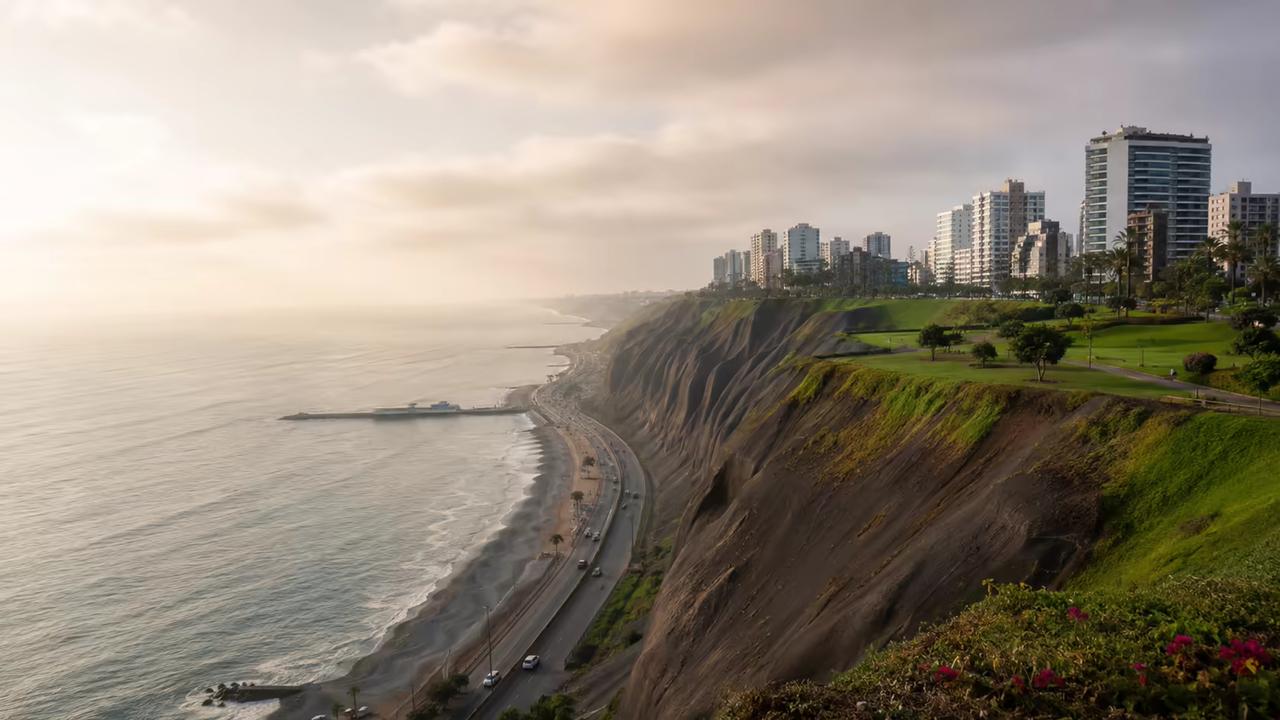

Lima est la capitale tentaculaire du Pérou, abritant environ un tiers de la population du pays et constituant le cœur économique, culturel et culinaire incontesté de la nation. Perchée sur la côte du Pacifique, la ville mêle architecture coloniale et tours de verre modernes, restaurants de classe mondiale et stands de ceviche en bord de rue, falaises désertiques et vagues propices au surf. Que vous déménagiez pour le travail, les études ou un changement de rythme, Lima offre un coût de la vie bien inférieur à celui de la plupart des capitales occidentales, accompagné d'une qualité de vie riche — à condition de savoir où chercher.
Avec plus de 11 millions d'habitants, Lima est une mégapole qui peut sembler écrasante au premier abord. La circulation est dense, le ciel hivernal reste gris pendant des mois, et la bureaucratie avance lentement. Mais en creusant un peu, vous découvrirez des quartiers accueillants, certaines des meilleures tables de la planète, et une communauté grandissante de professionnels internationaux qui ont fait de la ville leur foyer. Ce guide couvre tout ce que vous devez savoir avant de franchir le pas.
Lima en un coup d'œil

- Population
- ~11,3 millions (agglomération, projection 2023)
- Région
- Province de Lima / Région de Lima
- Réputée pour
- Capitale gastronomique de l'Amérique du Sud, centre historique colonial, art de vivre côtier sur le Pacifique
- Loyer moyen (T2)
- PEN 1 700–3 200/mois (centre-ville) ; PEN 800–2 400 en dehors du centre
- Salaire moyen
- PEN 2 000–3 500/mois net (moyenne ~PEN 2 200 ; postes débutants à intermédiaires)
- Communauté expatriée
- Vaste et en croissance — nomades numériques, diplomates, employés d'ONG, professeurs de langues
- Climat
- Désertique côtier : 14–28 °C toute l'année, très peu de pluie
- Langue
- Espagnol (quechua parlé dans certaines communautés issues de l'immigration)
- Fuseau horaire
- PET (UTC−5), sans changement d'heure
- Internet
- Fibre 60–100 Mbps largement disponible, PEN 80–130/mois
- Numéros d'urgence
- 105 (police), 116 (pompiers), 911 (urgences générales)
Pourquoi s'installer à Lima
- Une scène gastronomique de classe mondiale : Lima figure régulièrement en tête des classements en tant que capitale culinaire de l'Amérique latine, avec une offre allant des menus dégustation dignes d'étoiles Michelin aux anticuchos de rue à PEN 8. Central, Maido et Astrid y Gastón jouissent d'une renommée internationale.
- Un coût de la vie abordable : le loyer, les courses et les transports coûtent une fraction de ce que vous paieriez à Santiago, Bogotá ou Mexico, sans parler des villes européennes ou nord-américaines.
- Un climat doux toute l'année : le climat désertique côtier fait que les températures descendent rarement sous 14 °C ou ne dépassent guère 28 °C — pas de factures de chauffage, pas besoin de climatisation.
- Un écosystème tech et startup en plein essor : Miraflores et San Isidro accueillent un nombre croissant d'espaces de coworking, d'accélérateurs et de travailleurs à distance internationaux.
- Une porte d'entrée vers le Pérou : les escapades de week-end à Cusco, dans la Vallée sacrée, sur les plages de Máncora ou en Amazonie sont toutes accessibles via de courts vols intérieurs.
- Des habitants accueillants : les Limeños sont connus pour leur chaleur et leur curiosité envers les étrangers. Se faire des amis sur place est plus facile ici que dans bien d'autres capitales latino-américaines.
- Une culture riche : des sites archéologiques préincas situés à l'intérieur des limites de la ville aux musées de classe mondiale et à une scène d'art contemporain florissante, Lima offre une profondeur culturelle que beaucoup d'expatriés n'attendent pas.
Trouver un logement à Lima
Loyers moyens
| Quartier | T2 (1 chambre) | T4 (3 chambres) | Ambiance |
|---|---|---|---|
| Miraflores | PEN 2 000–3 200 | PEN 4 500–7 000 | Chic, agréable à pied, favori des expatriés |
| Barranco | PEN 1 600–2 800 | PEN 3 500–6 000 | Bohème, vie nocturne, galeries d'art |
| San Isidro | PEN 2 200–3 500 | PEN 5 000–8 000 | Quartier d'affaires, plus calme, parcs verdoyants |
| quartier Jesús María | PEN 1 200–2 000 | PEN 2 800–4 500 | Central, bon rapport qualité-prix, ambiance locale |
| La Molina | PEN 1 400–2 400 | PEN 3 200–5 500 | Banlieue, familles, résidences sécurisées |
| Surco | PEN 1 500–2 500 | PEN 3 000–5 000 | Équilibre entre urbain et résidentiel, centres commerciaux et universités |
| Lince | PEN 1 000–1 800 | PEN 2 200–3 800 | Économique, central, en plein essor |
| San Borja | PEN 1 400–2 200 | PEN 3 000–4 800 | Résidentiel, axé sur les familles, hôpitaux à proximité |
Comment trouver un logement
- Urbania.pe : la principale plateforme de location au Pérou ; filtrez par quartier, prix et état meublé. La plupart des annonces incluent photos et plans.
- CompartoDepto / Roomgo : des services de mise en relation entre colocataires, populaires auprès des jeunes expatriés et des étudiants. Comptez PEN 600–1 200/mois pour une chambre en colocation.
- Groupes Facebook : « Expats in Lima » et « Departamentos en Lima » publient des annonces tous les jours — souvent avant qu'elles n'apparaissent sur les portails.
- Astuce locale : beaucoup de propriétaires préfèrent un dépôt de garantie en espèces (un mois) et peuvent ne pas accepter de références de crédit étrangères. Apportez votre CE (Carné de Extranjería) ou votre passeport, ainsi qu'un justificatif de revenus lors des visites.
- Agences immobilières : utiles si vous cherchez un appartement meublé avec un accompagnement bilingue. La commission équivaut généralement à un mois de loyer, à la charge du locataire.
Conseils pour les expatriés
- Visitez toujours en personne avant de signer — les photos peuvent être trompeuses, surtout dans les immeubles anciens.
- Négociez : les prix affichés laissent souvent 5 à 10 % de marge, en particulier pour les baux de longue durée.
- Vérifiez si les gastos comunes (charges d'immeuble) sont compris — ils peuvent ajouter PEN 100–400/mois.
- Les appartements meublés sont courants à Miraflores et Barranco ; ailleurs, attendez-vous à devoir fournir vos propres meubles.
- Les contrats de bail durent généralement 12 mois. Une résiliation anticipée entraîne le plus souvent la perte du dépôt de garantie.
- Vérifiez la pression de l'eau et le système d'eau chaude avant de signer — les immeubles anciens ont parfois des chauffe-eau à gaz (termas) peu fiables.
- Renseignez-vous sur la sécurité de l'immeuble (porteros, vidéosurveillance, accès contrôlé) — cela varie considérablement d'un immeuble à l'autre.
- Assurez-vous que l'appartement dispose d'une escritura pública (titre de propriété légal) — les sous-locations informelles peuvent poser problème par la suite.
Guide des quartiers
- Miraflores : le point de chute par défaut des expatriés. Sûr, agréable à pied, rempli de cafés, d'espaces de coworking et de vues sur l'océan depuis les falaises du Malecón. Les loyers sont les plus élevés de Lima mais restent abordables à l'échelle mondiale. Le centre commercial Larcomar et le Parque Kennedy sont des points de rencontre incontournables. Excellent pour les célibataires, les nouveaux venus et toute personne souhaitant un mode de vie autonome avec tout à portée de marche.
- Barranco : le quartier artistique et bohème de Lima. Fresques murales, bars avec musique live et public plus jeune. Légèrement moins cher que Miraflores, mais de plus en plus embourgeoisé. Le Puente de los Suspiros et le musée de la photographie MATE sont des lieux emblématiques. Idéal pour les créatifs, les amateurs de vie nocturne et ceux qui préfèrent le caractère à la sophistication. La promenade du Malecón relie directement Barranco à Miraflores en bord de mer.
- San Isidro : le quartier financier. Soirées plus calmes, excellents restaurants, et proximité des ambassades et des sièges d'entreprises. Idéal pour les professionnels et les familles. Le Bosque El Olivar offre une rare bouffée de verdure avec ses oliviers centenaires. L'ambiance est plus « adulte » qu'à Miraflores — pensez costumes plutôt que planches de surf.
- Jesús María : une option intermédiaire solide avec une ambiance locale, de bons hôpitaux et un accès facile à la ligne de bus Metropolitano. Excellent rapport qualité-prix pour la localisation. À proximité du Mercado de Surquillo pour les produits frais et les repas économiques. Moins léché que Miraflores, mais bien plus authentique — vous serez l'un des très rares étrangers de votre pâté de maisons.
- La Molina : un quartier verdoyant et résidentiel à l'est du centre-ville. Populaire auprès des familles qui recherchent de l'espace, des parcs et des écoles internationales — mais il vous faudra une voiture ou une application VTC. Vie nocturne plus calme, plus d'espace par sol, et résidences fermées. L'ambiance est presque celle d'une autre ville comparée au Lima côtier.
- Surco (Santiago de Surco) : un choix équilibré entre urbain et résidentiel. Centres commerciaux (Jockey Plaza), universités (Universidad de Lima) et une scène gastronomique en plein essor à des prix modérés. Populaire auprès des jeunes actifs et des étudiants. Un compromis pratique si Miraflores vous paraît trop cher et La Molina trop excentré.
- Lince : un quartier souvent négligé, à la frontière de Miraflores et San Isidro. Des loyers plus bas, des marchés locaux et des infrastructures en amélioration en font une excellente option pour les expatriés au budget serré qui souhaitent rester proches du centre. Vous pouvez rejoindre Miraflores à pied en 15 minutes.
- San Borja : résidentiel, axé sur les familles, abritant plusieurs hôpitaux et l'Estadio Nacional. Une alternative plus calme à San Isidro, avec de bonnes liaisons de transport et de jolis parcs. L'avenue Paseo de la República le relie efficacement au reste de la ville.
Coût de la vie à Lima
Répartition du budget mensuel
| Catégorie | Fourchette budgétaire (PEN) |
|---|---|
| Loyer (T2, centre) | 2 000–3 200 |
| Charges (électricité, eau, gaz) | 150–300 |
| Internet (60–100 Mbps) | 80–130 |
| Courses | 600–1 000 |
| Transports (Metropolitano + bus/taxis) | 120–200 |
| Restaurants (4x/mois) | 200–500 |
| Loisirs/Salle de sport | 80–200 |
| Téléphone mobile (prépayé) | 20–50 |
| Assurance santé (privée) | 150–300 |
| Total | 3 180–5 480 |
Un expatrié seul peut vivre confortablement à Lima avec PEN 4 000–5 000/mois. Un couple partageant un appartement peut ramener le coût par personne à environ PEN 3 000–3 500 chacun. Les familles avec enfants scolarisés dans des écoles internationales doivent prévoir un budget de PEN 8 000–12 000/mois.
Coûts au quotidien
- Café (café latte) : PEN 10–16
- Déjeuner (menú del día) : PEN 8–15
- Abonnement mensuel Metropolitano : PEN 60–100
- Bière (bar, locale) : PEN 10–18
- Place de cinéma : PEN 18–30
- Pain (boulangerie) : PEN 4–7
- 1 litre de lait : PEN 5–7
- Douzaine d'œufs : PEN 7–10
- Course en taxi dans Miraflores (Uber) : PEN 8–15
- Abonnement salle de sport (milieu de gamme) : PEN 80–150/mois
- Bouteille d'eau (1,5 L) : PEN 2–4
- Menu fast-food : PEN 20–29
- Consultation médicale (clinique privée) : PEN 80–200
- Coupe de cheveux (barbier) : PEN 15–30
- Service de blanchisserie (au kilo) : PEN 5–10
- Cybercafé (à l'heure) : PEN 3–5
- Carte SIM + recharge prépayée : PEN 10–20
- Parking en garage (à l'heure, Miraflores) : PEN 5–15
Se déplacer à Lima
- Metropolitano : un système de bus à haut niveau de service (BRT) qui circule du nord au sud le long de la côte. Rapide et économique (PEN 2,00–3,00 par trajet), mais bondé aux heures de pointe. Une carte rechargeable est obligatoire — vous pouvez l'acheter à n'importe quelle station pour PEN 5. Service de 5 h à 23 h.
- Combis et taxis à itinéraires fixes : ces minibus partagés comblent les lacunes du Metropolitano. Les itinéraires peuvent être déroutants pour les nouveaux venus. Négociez le tarif à l'avance — les trajets coûtent généralement PEN 3–8. Déconseillés après la tombée de la nuit.
- Applications de VTC : Uber, DiDi et InDrive opèrent toutes à Lima et constituent l'option la plus fiable pour les nouveaux venus peu familiers des itinéraires informels. Comptez PEN 8–20 pour la plupart des trajets en ville. InDrive permet de négocier le tarif. Beat est une autre option locale.
- Vélo : Miraflores et Barranco disposent de pistes cyclables le long du Malecón, mais faire du vélo dans les zones très fréquentées n'est pas recommandé pour les débutants. Des boutiques de location de vélos opèrent le long du Malecón pour des trajets courts.
- Conduite : non recommandée pour les nouveaux venus. La circulation est agressive, le stationnement rare, et beaucoup de conducteurs ignorent le marquage au sol. Si vous devez conduire, évitez les heures de pointe (7 h–9 h, 17 h–20 h). Le stationnement à Miraflores et San Isidro coûte PEN 5–15/heure en garage.
- Aéroport international Jorge Chávez (LIM) : principal hub international du Pérou, récemment agrandi avec un nouveau terminal. Vols directs vers Miami, Madrid, Bogotá, Santiago, Mexico et les grandes villes d'Amérique latine. Situé à Callao, à environ 30–45 minutes de Miraflores en taxi (PEN 40–70 via Uber).
- Liaisons interurbaines : des bus longue distance (Cruz del Sur, Oltursa, Ittsa) relient confortablement Lima à Arequipa (15 h), Cusco (20 h), Trujillo (8 h) et aux villes balnéaires du nord. Des sièges VIP avec repas sont proposés sur les lignes haut de gamme. Les terminaux de bus sont concentrés dans les zones de Javier Prado et Atocongo.
Banque et argent
Ouvrir un compte bancaire à Lima est simple une fois que vous avez votre CE (Carné de Extranjería). Les justificatifs demandés sont généralement :
- Passeport en cours de validité et CE
- Justificatif de domicile (contrat de location ou facture de services)
- Parfois un justificatif d'emploi ou de revenus
Principales banques : BCP (Banco de Crédito del Perú) est la plus importante et la plus accessible. Interbank et BBVA sont également populaires auprès des expatriés. Les applications Yape de BCP et Plin d'Interbank sont les principales plateformes de paiement mobile — presque tout le monde les utilise, des vendeurs de rue aux restaurants.
Types de comptes : la plupart des expatriés ouvrent un cuenta de ahorros (compte épargne), qui s'accompagne d'une carte de débit et d'un accès à la banque en ligne. Les cartes de crédit exigent un historique de crédit plus long ou un depósito a plazo fijo (dépôt à terme) en garantie.
Virements internationaux : les virements entrants coûtent PEN 20–50 par transaction selon la banque. Wise (TransferWise) et Revolut offrent des taux de change nettement plus avantageux que les banques traditionnelles pour convertir USD/EUR en PEN. De nombreux expatriés conservent un compte à l'étranger pour leurs revenus internationaux et effectuent des virements mensuels vers leur compte péruvien.
Culture du paiement en espèces : Lima reste très axée sur l'argent liquide en dehors des centres commerciaux et des restaurants haut de gamme. Ayez toujours sur vous de petites coupures (PEN 10 et PEN 20) — beaucoup de commerçants ne peuvent pas rendre la monnaie sur des billets de PEN 50 ou PEN 100.
Recevez un plan de demenagement personnalise
Laissez votre e-mail et nous vous enverrons une checklist adaptee ainsi que trois devis de demenageurs verifies.
La santé à Lima
- Principaux hôpitaux : Clínica Ricardo Palma (Miraflores), Clínica Anglo Americana (San Isidro), Hospital Nacional Edgardo Rebagliati Martins (public, de grande qualité), Hospital Nacional Guillermo Almenara Irigoyen (public), Clínica Delgado (Miraflores), Clínica Javier Prado (San Isidro).
- Médecins anglophones : ils sont nombreux dans les cliniques privées, surtout à Miraflores et San Isidro. Beaucoup de spécialistes ont été formés à l'étranger, aux États-Unis, en Espagne ou en Argentine. La prise de rendez-vous se fait généralement par téléphone ou WhatsApp.
- Pharmacies : InkaFarma et MiFarma sont présentes à presque tous les coins de rue. La plupart des médicaments sont disponibles en vente libre à bas prix. Les médicaments sur ordonnance sont nettement moins chers qu'en Europe ou aux États-Unis. Certains médicaments qui exigent une ordonnance à l'étranger sont vendus librement ici.
- Soins dentaires : les cliniques dentaires privées de Miraflores et San Isidro offrent des soins de haute qualité à une fraction des prix occidentaux. Un détartrage coûte PEN 80–150 ; un plombage PEN 100–250. De nombreux expatriés programment leurs soins dentaires pendant leur séjour à Lima.
- Numéros d'urgence : 105 (police), 116 (pompiers), SAMU (ambulance) — ou composez le 911 pour les urgences générales. Les délais d'intervention varient selon les districts ; Miraflores et San Isidro sont les plus rapides.
- Assurance santé privée : les formules proposées par Rímac, Pacífico ou MAPFRE débutent à PEN 150–300/mois pour une couverture individuelle de base. Les polices internationales (Cigna, Allianz) sont également acceptées dans les meilleures cliniques. EsSalud (public) est accessible aux salariés avec un contrat formel — l'employeur cotise à hauteur de 9 % du salaire.
- Santé mentale : des psychothérapeutes et des psychiatres exercent en cabinet privé. Les séances coûtent PEN 100–250. On trouve des thérapeutes anglophones via les réseaux d'expatriés et les recommandations.
Visas et résidence
La plupart des nationalités obtiennent un tampon de tourisme de 90 jours à l'arrivée. Pour rester plus longtemps, il vous faudra un visa ou un permis de séjour. Les options courantes incluent :
- Visa de travail : nécessite une offre d'emploi d'un employeur péruvien qui parraine la demande auprès de Migraciones. Les délais de traitement sont de 2 à 4 semaines.
- Visa étudiant : pour les personnes inscrites dans des établissements péruviens reconnus. Justificatif d'inscription et de moyens financiers requis.
- Visa retraite (Rentista) : pour les personnes disposant d'une pension/d'un revenu étranger stable (environ USD 1 000/mois ou équivalent — vérifiez les exigences en vigueur auprès de Migraciones). Apprécié des retraités d'Amérique du Nord et d'Europe.
- Visa investisseur : pour ceux qui réalisent un investissement éligible dans une entreprise péruvienne enregistrée (le montant minimum varie — vérifiez les exigences en vigueur auprès de Migraciones). Justificatifs d'investissement et d'immatriculation de l'entreprise requis.
- Regroupement familial : pour les personnes ayant un conjoint, un partenaire ou des enfants à charge péruviens. Nécessite des certificats de mariage ou de naissance apostillés et traduits.
- Résidence permanente : accessible après 3 années consécutives de résidence temporaire. Confère la plupart des droits, à l'exception du droit de vote.
Les délais de traitement varient de 2 à 8 semaines selon le type de visa et la complétude de votre dossier. Commencez à rassembler les documents apostillés (acte de naissance, casier judiciaire, diplômes) bien avant la date de votre départ. Migraciones est connu pour modifier ses exigences sans préavis — consultez son site web ou un avocat local en immigration.
Détails sur tous les visas : https://www.migraciones.gob.pe/ Rendez-vous et demandes : https://agenciavirtual.migraciones.gob.pe/
Culture et art de vivre
- Gastronomie : la scène culinaire de Lima est son joyau — du ceviche à La Mar à la cuisine fusion Nikkei (japonaise-péruvienne) chez Maido. La ville accueille chaque année Mistura, l'un des plus grands festivals gastronomiques au monde. Lima compte plusieurs restaurants classés dans le World's 50 Best, dont Central (souvent élu meilleur restaurant du monde).
- Surf et plein air : les falaises de la Costa Verde offrent des spots de surf toute l'année, du parapente et des sentiers de course le long de la côte. Les plages de Miraflores et Barranco sont prisées des surfeurs débutants ; Punta Hermosa (à 45 min au sud) propose de plus grosses vagues pour les surfeurs confirmés.
- Vie nocturne : Barranco mène la danse avec sa musique live, ses peñas (lieux de musique traditionnelle) et ses bars à cocktails ; Miraflores propose des bars sur les toits et des clubs. Du jeudi au samedi sont les soirées les plus animées. La dernière commande est généralement à 3 h ou 4 h. Les droits d'entrée vont de la gratuité à PEN 30–50.
- Musées et histoire : le Musée Larco (art précolombien dans un superbe manoir du XVIIIe siècle), le MALI (Museo de Arte de Lima), les catacombes du couvent San Francisco (qui abritent plus de 70 000 restes) et la Huaca Pucllana (pyramide de torchis préinca au cœur de Miraflores) sont incontournables.
- Sports : le football est roi — Alianza Lima et Universitario de Deportes entretiennent une rivalité locale féroce. Le surf, le volleyball, le paddle tennis et la course à pied le long du Malecón sont également populaires. L'Estadio Nacional, à San Borja, accueille les grands matchs et concerts.
- Culture religieuse : le Pérou est majoritairement catholique. Les églises et les fêtes religieuses (en particulier la Semaine Sainte et le Señor de los Milagros en octobre) font partie intégrante de la vie quotidienne. Les bannières violettes du Señor de los Milagros apparaissent partout dans la ville chaque mois d'octobre.
Restauration et gastronomie
- Plats incontournables : ceviche (poisson cru mariné dans le jus de citron vert), lomo saltado (sauté de bœuf avec riz et frites), ají de gallina (poulet onctueux au piment jaune), causa limeña (terrine de pommes de terre en couches), anticuchos (brochettes de cœur de bœuf grillé), pollo a la brasa (poulet rôti à la broche — plat national officieux du Pérou), arroz con pato (canard au riz et à la coriandre).
- Meilleurs quartiers pour manger : Miraflores (gastronomique), Barranco (fusion), Surquillo (frais du marché, abordable), La Victoria (Chinatown — cuisine chifa, fusion péruvienne-chinoise propre à Lima).
- Manger pour pas cher : les déjeuners en menú del día coûtent PEN 8–15 et comprennent une entrée, un plat et une boisson — disponibles dans presque tous les restaurants de quartier. C'est le meilleur rapport qualité-prix pour un repas à Lima. Les formules petit-déjeuner (desayuno) coûtent PEN 6–12.
- Pourboire : 10 % est la norme dans les restaurants avec service à table. Il n'est pas attendu aux stands de rue ou aux gargotes de marché. Certains restaurants haut de gamme incluent automatiquement le service.
- Applications de livraison : Rappi, PedidosYa et Uber Eats opèrent toutes à Lima avec une large couverture de restaurants. Les frais de livraison sont généralement de PEN 2–5.
Communauté expatriée
- Groupes de rencontre : « Lima Expat Network », « Internations Lima » et des événements d'échange linguistique se tiennent chaque semaine. Facebook et WhatsApp sont les principaux outils de coordination — rejoignez les groupes avant votre arrivée.
- Espaces de coworking : WeWork (San Isidro), Urban Station, Selina (Miraflores) et Trebol Cowork (Barranco) s'adressent tous aux travailleurs à distance. Les passes journaliers coûtent PEN 30–60 ; les abonnements mensuels PEN 300–700. La plupart proposent un Wi-Fi rapide, des services d'impression et du café gratuit.
- Échanges linguistiques : les rencontres Tandem dans les cafés de Miraflores et Barranco ont lieu presque chaque week-end — un excellent moyen de pratiquer l'espagnol et de rencontrer des habitants. Spanglish Lima est un événement structuré populaire où l'on alterne entre anglais et espagnol par tranches chronométrées.
- Organisations religieuses et culturelles : plusieurs églises internationales, une synagogue et une mosquée desservent les communautés diverses de Lima. Les centres culturels britannique, américain et allemand organisent régulièrement événements, projections de films et cours.
- Clubs sportifs et associatifs : des groupes de course se retrouvent le long du Malecón presque tous les matins. Les écoles de surf de Barranco proposent des cours à partir de PEN 80–150. Les salles de CrossFit et d'arts martiaux comptent un grand nombre d'adhérents expatriés.
Marché de l'emploi à Lima
- Principaux secteurs : mines et énergie (le Pérou est l'un des principaux producteurs mondiaux de cuivre, d'argent et de zinc), finance et banque, tech et services numériques, tourisme et hôtellerie, industrie manufacturière, exportations agricoles (avocats, myrtilles, quinoa).
- Principaux employeurs : Banco de Crédito del Perú (BCP), LATAM Airlines, Southern Copper, Belcorp, Interbank, Alicorp, Ferreycorp, BBVA Perú, Backus (filiale d'AB InBev).
- Salaires moyens par secteur :
| Secteur | Net mensuel (PEN) |
|---|---|
| Informatique / Logiciel | 4 000–8 000 |
| Finance / Banque | 3 500–7 000 |
| Marketing / Communication | 2 500–5 000 |
| Hôtellerie / Tourisme | 1 800–3 500 |
| Éducation (enseignement des langues) | 2 000–4 000 |
| Mines / Ingénierie | 5 000–12 000 |
| Construction | 2 500–5 000 |
| Santé | 3 000–7 000 |
- Ressources pour la recherche d'emploi : Bumeran.com.pe, CompuTrabajo Perú, LinkedIn (très utilisé pour les postes qualifiés) et le réseautage lors d'événements pour expatriés. De nombreux postes de cadres intermédiaires à supérieurs sont pourvus via des relations personnelles plutôt que via des offres publiques.
- À noter pour les freelances : de nombreux travailleurs à distance vivent à Lima sous contrat étranger. Vous aurez besoin d'un RUC (numéro fiscal) auprès de la SUNAT si vous facturez localement ou travaillez avec des clients péruviens. Pendant les 3 premières années de résidence, les étrangers peuvent n'être imposés que sur les revenus de source péruvienne.
- Conseil réseautage : la scène professionnelle de Lima fonctionne sur les relations. Assister à des rencontres sectorielles et à des événements de réseautage pour expatriés est souvent plus efficace que de postuler à froid en ligne. La Chambre de commerce américaine (AmCham Peru) et la Chambre britannique organisent régulièrement des événements professionnels.
L'éducation à Lima
- Écoles internationales : Markham College (Miraflores, programme britannique, fondée en 1946, l'une des écoles les plus prestigieuses d'Amérique du Sud), Colegio Franklin D. Roosevelt (La Molina, programme américain), Colegio Italiano Antonio Raimondi (San Isidro, bilingue italien-espagnol), Cambridge College (San Isidro, bilingue anglais-espagnol). Les frais de scolarité varient de PEN 2 000 à 6 000/mois selon le niveau et l'établissement. Les listes d'attente sont fréquentes dans les meilleures écoles — déposez votre dossier 6 à 12 mois à l'avance.
- Universités : Pontificia Universidad Católica del Perú (PUCP, première sur le plan national et régional, solide en ingénierie et en sciences humaines), Universidad del Pacífico (commerce et économie), Universidad de Lima, Universidad Peruana Cayetano Heredia (sciences de la santé). Les diplômes étrangers doivent être revalidés via la SUNEDU pour exercer localement.
- Écoles de langues : El Sol, Peruwayna et ICPI proposent des cours intensifs d'espagnol appréciés des expatriés — comptez PEN 1 200–2 500 pour un programme de 4 semaines. Les cours en groupe sont moins chers ; les cours particuliers coûtent PEN 40–80/heure. Les options en ligne (Baselang, iTalki) sont populaires pour étudier avant l'arrivée. Des cours de quechua sont également proposés à la PUCP.
Services publics et connectivité
- Électricité : fournie par Luz del Sur (sud de Lima) ou Enel (nord/centre). Les factures mensuelles s'élèvent en moyenne à PEN 80–180 selon la consommation. Aucun chauffage ni climatisation n'est nécessaire la majeure partie de l'année — une économie majeure par rapport à d'autres capitales. Les factures arrivent chaque mois et peuvent être réglées en banque, en pharmacie ou en ligne.
- Eau : SEDAPAL est le fournisseur municipal d'eau. L'eau du robinet n'est pas potable — prévoyez PEN 15–30/mois pour de l'eau en bouteille ou filtrée (garrafones livrés à votre porte). La pression d'eau peut être irrégulière dans les immeubles anciens et aux étages élevés.
- Internet : les principaux opérateurs sont Claro, Movistar et Win. Les forfaits 60–100 Mbps coûtent PEN 80–130/mois. La fibre est disponible dans la plupart des quartiers d'expatriés. La qualité de connexion est généralement fiable, même si de brèves coupures sont possibles lors des tempêtes. Les données mobiles (4G) sont rapides et bon marché, à utiliser en secours.
- Gaz : fourni par bouteilles de gaz (balones de gas, ~PEN 35–50 par recharge) ou par gaz naturel canalisé via Cálidda. Le gaz de cuisson coûte PEN 20–50/mois. Les chauffe-eau à gaz (termas) sont fréquents — vérifiez qu'ils fonctionnent avant de signer un bail.
- Collecte des déchets : organisée par les municipalités d'arrondissement. Les infrastructures de recyclage sont limitées mais s'améliorent à Miraflores et Barranco. Des services de compostage émergent dans certains quartiers. Les jours et horaires de collecte varient selon les districts.
- Réseaux mobiles : Claro offre la meilleure couverture nationale ; Movistar suit de près ; Bitel est le moins cher. Tous proposent des forfaits prépayés à partir de PEN 20/mois avec data. Les cartes SIM sont en vente dans n'importe quel kiosque de rue sur simple présentation du passeport.
Conseils pratiques pour les nouveaux arrivants
- Préparation linguistique : même un niveau d'espagnol basique (A1–A2) transforme vos premières semaines. Apprenez les chiffres, les directions et le vocabulaire de la nourriture avant d'arriver. L'argot local peut dérouter — « chévere » (cool), « bacán » (génial) et « causa » (ami) sont des termes du quotidien.
- Bases de la sécurité : utilisez des applications de VTC le soir plutôt que de héler un taxi dans la rue. Gardez votre téléphone dans la poche avant dans les lieux fréquentés. Faites des copies de votre passeport, de votre CE et de vos cartes bancaires. Faites-vous enregistrer auprès de votre ambassade.
- Code vestimentaire : Lima est décontracté mais l'apparence compte. Les rendez-vous professionnels exigent une tenue smart casual ou formelle. Le quotidien se vit en jean et chemise — pas besoin de costume en dehors des milieux corporate.
- Planification saisonnière : réservez vos voyages sur la côte (Máncora, Paracas) pendant les mois gris d'hiver (juin–août). Visitez Cusco et les hauts plateaux pendant l'été ensoleillé de Lima (décembre–mars) pour profiter d'une météo optimale en altitude.
- Électricité : Lima utilise des prises de type A et C (identiques aux modèles américains et européens à deux broches). La tension est de 220 V — les appareils américains conçus pour 120 V uniquement nécessiteront un convertisseur ou un transformateur. Prévoyez un adaptateur universel pour les premières semaines.
- Attention à l'altitude : Lima est au niveau de la mer. Si vous voyagez à Cusco (3 400 m) ou à Arequipa (2 335 m), attendez-vous au mal des montagnes. Allez-y doucement le premier jour, buvez de l'infusion de coca, et consultez un médecin sur l'acétazolamide si nécessaire.
- Bruit : Lima est plus bruyante que la plupart des villes occidentales. Les chantiers, les alarmes de voiture, les chiens qui aboient et la musique des commerces voisins sont constants. Des bouchons d'oreilles ou un appareil à bruit blanc sont indispensables si vous avez le sommeil léger.
- Humidité et moisissures : pendant l'hiver (mai–novembre), l'humidité côtière peut entraîner des moisissures dans les appartements mal ventilés. Choisissez un logement bien ventilé ou utilisez un déshumidificateur (PEN 150–300 à l'achat sur place).
Que faut-il apporter
- Vêtements : la superposition est essentielle. L'hiver à Lima se ressent plus froid à l'intérieur qu'à l'extérieur (pas de chauffage central). Apportez une polaire chaude ou une veste légère, même si les températures descendent rarement sous 14 °C. L'été demande des vêtements légers et respirants ainsi qu'une protection solaire (l'indice UV est élevé malgré la couverture nuageuse).
- Électronique : apportez un ordinateur portable, un adaptateur universel et une batterie externe. L'électronique au Pérou est 15 à 30 % plus chère qu'aux États-Unis ou en Europe en raison des taxes d'importation. Achetez avant le départ si possible.
- Médicaments : apportez une réserve de tout médicament sur ordonnance accompagnée d'une lettre de votre médecin. Bien que les pharmacies soient partout, certaines marques précises peuvent ne pas être disponibles. Les médicaments de base en vente libre (antidouleurs, antiallergiques) sont bon marché et faciles à trouver.
- Documents : conservez les originaux apostillés ainsi que des sauvegardes numériques dans le cloud. Gardez des copies papier de votre passeport, visa, contrat d'assurance et permis de conduire dans un endroit distinct des originaux.
- Espèces : apportez USD 200–500 en liquide pour la première semaine, le temps d'ouvrir votre compte bancaire. Changez votre argent dans des casas de cambio agréées ou dans des banques — jamais avec des changeurs de rue.
Checklist pour s'installer à Lima
- Confirmez le type de visa et rassemblez les documents apostillés (acte de naissance, casier judiciaire, diplôme)
- Trouvez un logement ou réservez un hébergement temporaire (un Airbnb à Miraflores est le plus simple pour le premier mois)
- Souscrivez une assurance santé internationale ou confirmez la couverture proposée par votre employeur
- Expédiez vos affaires et préparez les formalités douanières SUNAT (liste d'inventaire, preuve de propriété, biens détenus depuis 6 mois et plus pour une importation en franchise de droits)
- Prévenez votre banque d'origine et ouvrez un compte Wise ou Revolut pour les transferts en PEN
- Commencez l'étude de base de l'espagnol — même un niveau A1 aide énormément à l'arrivée
- Renseignez-vous sur le quartier visé et consultez les forums pour connaître les loyers de référence actuels
- Enregistrez-vous auprès de Migraciones et demandez votre CE (Carné de Extranjería)
- Procurez-vous une carte SIM locale (Claro, Movistar ou Bitel — tous proposent des forfaits prépayés à partir de PEN 20/mois)
- Ouvrez un compte bancaire (BCP, Interbank ou BBVA exigent CE + justificatif de domicile ; certains permettent l'ouverture avec passeport seul pendant les 90 premiers jours)
- Familiarisez-vous avec le Metropolitano et téléchargez Uber/DiDi/InDrive
- Achetez une carte rechargeable Metropolitano dans n'importe quelle station
- Repérez la pharmacie (InkaFarma/MiFarma), l'hôpital et le commissariat les plus proches de votre logement
- Enregistrez dans votre téléphone le numéro d'urgence de votre pays d'origine et les coordonnées de votre ambassade
- Finalisez votre logement de longue durée et inscrivez-vous auprès des services publics (SEDAPAL pour l'eau, Luz del Sur ou Enel pour l'électricité)
- Faites enregistrer votre numéro fiscal (RUC) auprès de la SUNAT si vous êtes indépendant ou freelance
- Rejoignez un groupe d'expatriés ou un échange linguistique pour construire votre réseau local
- Explorez votre quartier à pied — Lima se découvre bien à pied (dans les bons secteurs)
- Enregistrez-vous auprès de l'ambassade ou du consulat de votre pays d'origine à Lima
- Mettez en place votre connexion Internet (Claro, Movistar ou Win — l'installation de la fibre prend 3 à 7 jours)
- Ouvrez un compte épargne péruvien (cuenta de ahorros) pour vos paiements de factures et transferts locaux
- Configurez Yape (BCP) ou Plin (Interbank) pour les paiements mobiles — la plupart des commerçants les acceptent
- Trouvez un comptable local (contador) si vous êtes indépendant ou freelance
- Découvrez les marchés locaux (Surquillo, Mercado de Surquillo) pour des produits frais à prix abordable
Guides associés
- [S'installer au Pérou] — guide complet du pays avec les détails sur les visas, les douanes et la fiscalité
- [S'installer à Cusco] — guide de la cité d'altitude pour expatriés et nomades numériques
- [S'installer à Arequipa] — logement, emploi et art de vivre de la Cité blanche