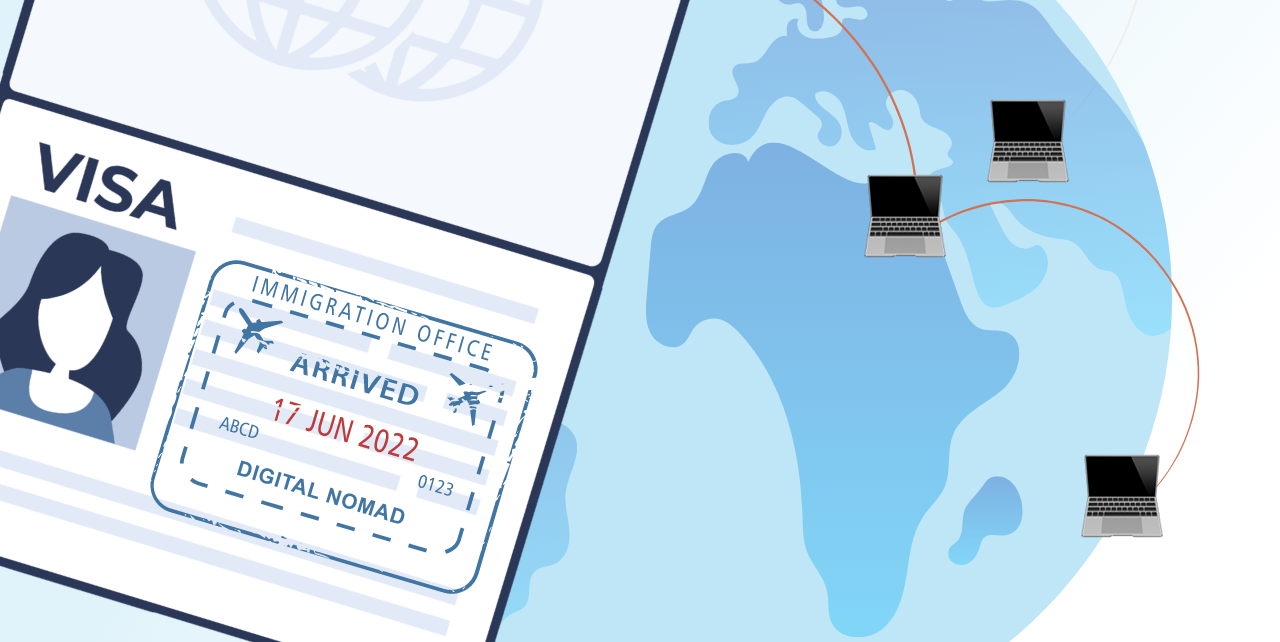
Si vous avez déjà fixé votre fiche de paie en pensant : « il doit bien y avoir une meilleure offre quelque part », — vous n'êtes pas le seul !
Que vous recherchiez de meilleures perspectives de carrière, un potentiel de revenus plus élevé, une voie d'immigration plus claire ou une meilleure qualité de vie, choisir la bonne destination peut faire toute la différence. Dans ce guide, nous explorons les 10 meilleurs pays pour travailler à l'étranger en 2026, qui figurent également parmi les meilleurs pays pour l'immigration en 2026 pour les professionnels qualifiés, les familles et les expatriés à la recherche d'opportunités à long terme
Critères de classement du meilleur pays pour vivre et travailler à l'étranger
Le meilleur pays vers lequel déménager pour travailler et vivre en 2026 dépend de vos objectifs personnels. Certaines personnes privilégient le salaire le plus élevé, tandis que d'autres se concentrent sur la résidence permanente, les avantages familiaux, la santé, la sécurité ou le mode de vie. Les pays de cette liste figurent parmi les meilleurs pays pour déménager en 2026 car ils combinent des marchés de l'emploi dynamiques avec des opportunités d'immigration, une stabilité économique et un haut niveau de vie.
- Salaire moyen des expatriés par rapport à l'équivalent dans le pays d'origine
- Taux d'imposition sur le revenu (particulièrement pour les revenus de niveau intermédiaire à senior)
- Accessibilité des visas pour les travailleurs qualifiés
- Coût de la vie par rapport au salaire
- Équilibre vie professionnelle-vie privée (congés légaux, culture des horaires de travail)
- L'anglais au travail et facilité d'intégration professionnelle
- Demande de talents internationaux en 2025–2026
1. Émirats arabes unis : le meilleur pays pour un salaire non imposable à l'étranger

Les Émirats arabes unis restent l'une des destinations les plus attractives au monde pour les professionnels internationaux. Si les salaires sont compétitifs dans de nombreux secteurs, le plus grand avantage financier du pays réside dans son impôt sur le revenu de 0 %, ce qui permet aux expatriés de conserver une plus grande part de leurs revenus et d'augmenter considérablement leur potentiel d'épargne.
Principaux secteurs recruteurs : Technologie, finance, santé, ingénierie, hôtellerie-restauration.
Vous prévoyez un déménagement vers les Émirats arabes unis ?
Recevez des devis gratuits de déménageurs internationaux de confiance vers les Émirats arabes unis. Vous pouvez comparer flexiblement les services, estimer votre volume de déménagement et déménager à l'étranger en toute confiance.
Recevoir des devis gratuits de déménageurs vérifiésLes Émirats arabes unis ont également modernisé leur système d'immigration avec des voies flexibles telles que le Green Visa, le Golden Visa et le Job Seeker Visa, facilitant l'établissement d'une carrière à long terme dans la région pour les professionnels qualifiés, les entrepreneurs et les freelances.
Grâce à une forte demande dans la technologie, la finance, la santé, l'ingénierie et l'hôtellerie-restauration, les Émirats arabes unis offrent d'excellentes opportunités dans un environnement commercial international en pleine croissance.
Considération sur le coût de la vie : Les grandes villes comme Dubaï et Abu Dhabi offrent un mode de vie haut de gamme avec des infrastructures, des soins de santé et des divertissements de classe mondiale, bien que les coûts de logement doivent être soigneusement pris en compte lors de l'évaluation des packages salariaux.
Guide complet de déménagement vers les Émirats arabes unis
Ce guide complet couvre tout ce que vous devez savoir — des avantages de l'absence d'impôt sur le revenu et des voies de visa aux coûts de logement réalistes, à l'assurance maladie obligatoire et à l'ouverture d'un compte bancaire. Découvrez les coûts réels de déménagement selon votre provenance, les délais essentiels et les conseils culturels qui vous aideront à vous installer plus rapidement.
Lire le guide complet de déménagement vers les Émirats arabes unis2. Allemagne : le meilleur pour la flexibilité du visa pour travailleurs qualifiés

L'Allemagne reste l'une des destinations les plus attractives d'Europe pour les professionnels qualifiés, portée par une économie stable, d'excellentes protections des travailleurs et une forte demande de talents internationaux.
L'introduction de l'Opportunity Card (Chancenkarte) a davantage facilité l'accès pour les professionnels non ressortissants de l'UE en offrant une voie structurée pour rechercher un emploi en Allemagne.
Des secteurs tels que l'informatique, l'ingénierie, la santé et les métiers qualifiés continuent de connaître des pénuries de talents importantes, créant de solides opportunités pour les travailleurs internationaux qualifiés.
Au-delà des opportunités de carrière, l'Allemagne offre une couverture santé complète, des infrastructures publiques fiables, des protections généreuses des travailleurs et un haut niveau de vie.
Vous prévoyez un déménagement vers l'Allemagne ?
Chez ReloAdvisor, nous sommes là pour vous débarrasser du stress du déménagement. Recevez des devis gratuits de déménageurs internationaux de confiance vers l'Allemagne. Vous pouvez comparer flexiblement plusieurs entreprises sur les prix, les services, estimer votre volume de déménagement et déménager à l'étranger en toute confiance. Tout est gratuit, sans obligation.
Recevoir des devis gratuits de déménageurs vérifiésAllemagne Chancenkarte 2026 : les exigences
- Exigence financière : Vous devez justifier d'environ 1 027 €/mois d'épargne ou de revenus garantis pour la durée de votre séjour.
- Métiers en pénurie 2026 : Spécialistes informatiques, ingénieurs, professionnels de la santé (infirmiers, médecins), aides-soignants, métiers qualifiés (électriciens, plombiers).
- Au-delà de la Chancenkarte : Une fois que vous avez une offre d'emploi en Allemagne, le visa pour travailleurs qualifiés (Fachkräftevisum) est généralement la voie la plus rapide — il nécessite une qualification reconnue et un contrat de travail confirmé.
Guide de déménagement vers l'Allemagne
Ce guide complet couvre tout ce qu'il vous faut — des visas EU Blue Card à l'Anmeldung obligatoire, en passant par le coût réel de la vie par ville et l'assurance maladie. Découvrez les coûts de déménagement ainsi que des conseils d'initiés pour naviguer dans la scène tech de Berlin, le marché de l'emploi de Munich ou l'avenir numérique de Hambourg.
Lire le guide complet de déménagement vers l'Allemagne3. Canada : le meilleur pour les voies de résidence permanente (Express Entry 2026)

Le Canada reste l'une des destinations les plus accueillantes en matière d'immigration au monde, avec des voies transparentes telles qu'Express Entry et les Provincial Nominee Programs qui aident les professionnels qualifiés à passer d'un emploi temporaire à la résidence permanente.
En 2026, le Canada poursuit des objectifs d'immigration ambitieux — avec plus de 485 000 nouveaux résidents permanents prévus — ce qui en fait l'un des pays les plus accueillants pour les immigrants économiques.
Vous prévoyez un déménagement vers le Canada ?
Chez Reloadvisor, nous sommes là pour vous débarrasser du stress du déménagement. Recevez des devis gratuits de déménageurs internationaux de confiance vers le Canada. Vous pouvez comparer flexiblement plusieurs entreprises sur les prix, les services, estimer votre volume de déménagement et déménager à l'étranger en toute confiance. Tout est gratuit, sans obligation.
Recevoir des devis gratuits de déménageurs vérifiésLe pays offre des salaires compétitifs dans les secteurs de la technologie, de la santé, de l’ingénierie et des métiers spécialisés, associés à de solides protections du travail :
- Emplois bien rémunérés : Les ingénieurs logiciels seniors à Toronto ou Vancouver peuvent gagner entre 120 000 et 170 000 $ CAD. Les professionnels des métiers spécialisés (électriciens, soudeurs) en Alberta dépassent souvent 100 000 $ CAD avec les heures supplémentaires.
- Équilibre vie professionnelle-vie privée : Le Canada obtient de bons résultats — minimum légal de 2 semaines de congés annuels (passant à 3 semaines après 5 ans), de solides protections du travail et une culture qui respecte généralement le temps personnel.
- L’équilibre vie professionnelle-vie privée pour les expatriés dans les villes de taille moyenne comme Calgary ou Ottawa a tendance à être meilleur que dans le secteur technologique compétitif de Toronto.
Guide complet pour déménager au Canada 2026
Ce guide de réinstallation approfondi couvre le système Entrée express du Canada, favorable à l’immigration, les programmes des candidats des provinces (PCP), les permis de travail, les coûts du logement à Toronto et Vancouver par rapport à Montréal, l’accès aux soins de santé universels, les services bancaires avec votre numéro d’assurance sociale (NAS) et le système fiscal canadien.
Lire le guide complet pour déménager au CanadaCanada Entrée express 2026 : mises à jour importantes
- Score du SGC (système de classement global) : Les récentes loteries ont favorisé des scores dans la fourchette de 480 à 530, bien que les loteries ciblées pour des professions spécifiques (santé, STIM, métiers spécialisés) sélectionnent régulièrement des scores inférieurs.
- Loteries par catégorie introduites en 2023 sont désormais pleinement intégrées au système de 2026. Si vous travaillez dans les domaines de la santé, de l’éducation, des métiers spécialisés, de la maîtrise de la langue française, des STIM ou de l’agriculture, vous pourriez être admissible à des loteries dédiées avec des seuils du SGC inférieurs.
- Programmes des candidats des provinces (PCP) : Des provinces comme l’Ontario, la Colombie-Britannique et l’Alberta gèrent leurs propres filières de professions en demande qui ajoutent 600 points au SGC en cas de nomination — garantissant pratiquement une ITA (invitation à présenter une demande).
4. Australie — idéal pour la culture de travail anglophone et le salaire minimum élevé

L’Australie figure constamment parmi les pays les plus attrayants pour les expatriés grâce à son économie robuste, son environnement de travail anglophone et son excellent équilibre vie professionnelle-vie privée.
L’Australie possède l’un des salaire minimum les plus élevés au monde (23,23 $ AUD/heure en 2025-26) et une forte demande de travailleurs qualifiés dans les soins infirmiers, l’ingénierie, la construction et l’informatique.
Le visa de travailleur qualifié indépendant (sous-classe 189) et le visa parrainé par l’employeur (482) sont les principales voies en 2026. Les professionnels qualifiés sont très demandés dans la santé, l’ingénierie, la construction, l’éducation et la technologie, avec des voies de migration claires disponibles via des programmes tels que SkillSelect et les visas parrainés par l’employeur.
L’Australie offre également des congés annuels généreux, des droits solides pour les salariés et un mode de vie en plein air qui contribue à sa qualité de vie exceptionnelle.
Vous prévoyez de déménager en Australie ?
Obtenez des devis gratuits de déménageurs internationaux de confiance vers l’Australie sur Reloadvisor. Vous pouvez comparer librement plusieurs entreprises sur les prix, les services, estimer votre volume de déménagement et déménager à l’étranger en toute confiance. Tout est gratuit, sans aucune obligation.
Obtenez des devis gratuits de déménageurs vérifiésLe système SkillSelect à points de l’Australie est similaire dans sa logique à l’Entrée express du Canada. Les principaux secteurs avec des listes de professions prioritaires comprennent les soins aux personnes âgées, le génie civil, l’éducation de la petite enfance et la cybersécurité.
Équilibre vie professionnelle-vie privée : L’Australie figure constamment parmi les meilleurs pays pour l’équilibre vie professionnelle-vie privée des expatriés — avec 4 semaines de congés annuels légaux, de solides protections syndicales et une culture où terminer son travail « à l’heure » est la norme plutôt que l’exception.
Coût de la vie : Bien que Sydney et Melbourne figurent parmi les villes les plus chères du pays, des villes en croissance telles que Brisbane, Perth et Adelaide offrent des opportunités de carrière attrayantes avec un mode de vie plus abordable.
Guide complet pour déménager en Australie
Ce guide de réinstallation complet couvre tout, du système de visa de migration qualifiée à points et des coûts de déménagement selon l’origine, au logement à Sydney/Melbourne, à l’assurance maladie Medicare, à la superannuation et au système fiscal australien. Découvrez les coûts réels de déménagement depuis le Royaume-Uni, les États-Unis, l’Europe et l’Asie, et construisez votre vie dans l’une des destinations d’expatriation les plus populaires au monde.
Lire le guide de déménagement5. Pays-Bas : le meilleur pays européen pour les professionnels anglophones

Les Pays-Bas se sont imposés comme l’un des principaux centres d’affaires internationaux d’Europe.
Des villes telles qu’Amsterdam, Rotterdam et Eindhoven attirent des multinationales et des startups innovantes, accueillent les sièges européens d’ASML, Philips, Shell, Booking.com et de centaines d’autres, créant d’excellentes opportunités pour les professionnels du monde entier.
L’anglais est largement parlé dans les environnements professionnels — ce qui en fait le meilleur pays européen pour les expatriés anglophones qui ne sont pas prêts à apprendre immédiatement une nouvelle langue.
Vous prévoyez de déménager aux Pays-Bas ?
Obtenez des devis gratuits de déménageurs internationaux de confiance vers les Pays-Bas sur Reloadvisor. Vous pouvez comparer librement plusieurs entreprises sur les prix, les services, estimer votre volume de déménagement et déménager à l’étranger en toute confiance.
Obtenez des devis gratuits de déménageurs vérifiésLa règle des 30 % : un avantage fiscal majeur pour les expatriés
Les recrues internationales admissibles peuvent recevoir 30 % de leur salaire non imposable pendant jusqu’à 5 ans (des modifications introduites en 2024 signifient que l’avantage diminue après la 3ᵉ année — confirmez les règles en vigueur sur belastingdienst.nl). Combiné à un salaire compétitif, cela rend le package néerlandais très attrayant.
Voie de visa : Les ressortissants de l’UE/EEE peuvent travailler librement. Les ressortissants hors UE ont besoin d’un visa Highly Skilled Migrant (HSM) parrainé par un employeur néerlandais reconnu — avec un seuil de salaire minimum d’environ 4 840 €/mois (chiffres de 2026 ; à vérifier auprès de l’IND).
Au-delà des opportunités professionnelles, les Pays-Bas sont connus pour leur excellente infrastructure, leurs transports en commun efficaces, leur fort équilibre vie professionnelle-vie privée et leur grande qualité de vie.
Guide de déménagement aux Pays-Bas
Ce guide complet couvre tout, du visa pour travailleur hautement qualifié et de la célèbre règle fiscale des 30 % à la navigation dans la crise du logement néerlandais, l’assurance maladie obligatoire, l’enregistrement BSN essentiel, la culture du vélo et l’équilibre vie professionnelle-vie privée. Découvrez les coûts réels de déménagement, comment trouver un logement et vous intégrer à la culture néerlandaise
Lire le guide de déménagement aux Pays-Bas6. Singapour : idéal pour le hub professionnel Asie-Pacifique et les salaires du secteur financier

Prêt à rejoindre la communauté d’expatriés dynamique de Singapour ?
Chez ReloAdvisor, nous sommes là pour vous débarrasser du stress du déménagement. Obtenez des devis gratuits de déménageurs internationaux de confiance vers Singapour. Vous pouvez comparer librement plusieurs entreprises sur les prix, les services, estimer votre volume de déménagement et déménager à l’étranger en toute confiance. Tout est gratuit, sans aucune obligation.
Obtenez des devis gratuits de déménageurs vérifiésSingapour est l’un des principaux centres financiers et technologiques d’Asie. Il offre aux professionnels internationaux l’accès à une économie hautement développée, à des entreprises mondiales et à des salaires compétitifs dans la banque, la fintech, le private equity et la gestion de produits technologiques. Le barème de l’impôt sur le revenu figure parmi les plus bas du monde développé pour les revenus intermédiaires.
Son infrastructure efficace, sa sécurité, ses excellents transports en commun et son emplacement stratégique en font une destination de choix pour les professionnels en quête de développement de carrière dans la région Asie-Pacifique.
Le Employment Pass (EP) est le principal visa de travail — exigeant une offre d’emploi et un salaire mensuel minimum de 5 000 $ SGD (plus élevé pour les services financiers : 5 500 $ SGD). Le gouvernement a introduit un nouveau système de notation COMPASS en 2023 qui évalue à la fois les qualifications du candidat et les pratiques de recrutement local de l’employeur — ce qui signifie que les employeurs disposant d’équipes diversifiées trouvent plus facile de parrainer des talents étrangers.
Considération sur l’équilibre vie professionnelle-vie privée : Certaines industries traditionnelles maintiennent une culture de travail très impliquée, tandis que de nombreuses multinationales et entreprises technologiques modernes offrent de plus en plus de flexibilité et des aménagements de travail équilibrés. Les congés annuels légaux sont de 7 à 14 jours (faibles selon les normes européennes).
Vous voulez en savoir plus sur un déménagement à Singapour ?
Ce guide complet couvre le système de permis de travail de Singapour, le système de transport MRT et le hub technologique et financier à la croissance la plus rapide d’Asie. Découvrez les coûts réels de déménagement ainsi que des conseils d’initiés sur la culture des food courts, le marché de la location et la réussite en tant qu’expatrié dans l’une des villes les plus sûres au monde
Lire le guide complet pour déménager à Singapour7. Nouvelle-Zélande — Idéale pour la qualité de vie et la migration qualifiée à points

Vous envisagez de déménager en Nouvelle-Zélande ?
Obtenez des devis gratuits de déménageurs internationaux de confiance vers la Nouvelle-Zélande. Comparez plusieurs entreprises en toute flexibilité selon les prix, les services et la fiabilité. Estimez votre volume de déménagement avec notre calculateur, et déménagez à l’étranger en toute confiance.
Obtenez des devis gratuits de déménageurs vérifiésLa Nouvelle-Zélande est largement reconnue pour sa qualité de vie exceptionnelle, son environnement naturel à couper le souffle et sa culture communautaire accueillante.
Les voies de migration qualifiée telles que la Skilled Migrant Category et l’Accredited Employer Work Visa offrent des opportunités aux professionnels de la santé, de l’ingénierie, de la construction, des TIC et de l’agriculture.
Bien que les revenus puissent varier selon le secteur et la région, de nombreux expatriés choisissent la Nouvelle-Zélande pour sa combinaison d’opportunités professionnelles, de bien-être personnel, de trajets domicile-travail plus courts et d’un fort lien avec la nature.
La Nouvelle-Zélande figure régulièrement dans le top 10 mondial pour la qualité de vie, la sécurité et l’environnement naturel.
Prêt à découvrir l’aventure et la nature de la Nouvelle-Zélande ?
Découvrez ce guide de réinstallation complet couvrant les points essentiels : les voies de visa de travail, le logement à Auckland et Wellington, le système de santé universel de la Nouvelle-Zélande, les magnifiques paysages, la culture de plein air, et ce qui fait de la Nouvelle-Zélande l’un des pays les plus agréables à vivre au monde.
Lire le guide de déménagement vers la Nouvelle-Zélande8. Suisse — Les salaires bruts les plus élevés d’Europe
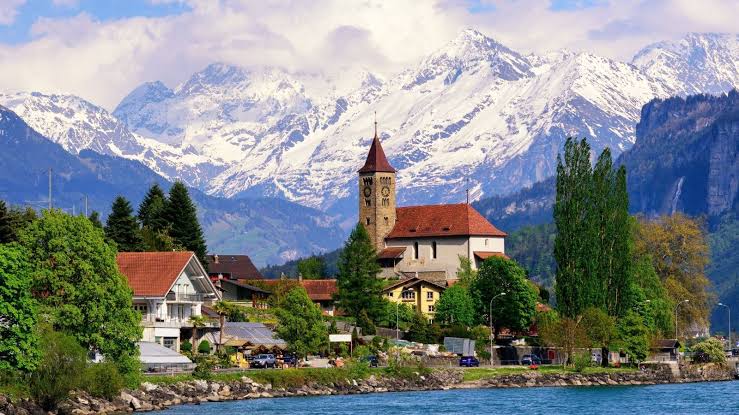
- 🌍 Région : Europe
- 💰 Salaire moyen des expatriés : CHF 90,000–160,000/an
- 📊 Impôt sur le revenu : ~15–25 % (varie selon le canton)
Prêt à déménager en Suisse ?
Ce guide de déménagement couvre le système de permis de travail suisse, les exigences d’enregistrement cantonal, l’assurance maladie obligatoire, le véritable coût de la vie à Zurich/Genève, et pourquoi la Suisse est l’un des pays les plus sûrs et les plus chers au monde.
Guide complet de déménagement vers la SuisseLa Suisse offre certains des salaires les plus élevés d’Europe, en particulier dans des secteurs tels que la pharmacie, la finance, l’ingénierie et la fabrication de pointe.
Le pays est internationalement reconnu pour sa stabilité économique, ses infrastructures exceptionnelles, ses normes de santé et sa qualité de vie globale. Les professionnels qualifiés bénéficient souvent d’un fort pouvoir d’achat et d’un cadre de vie hautement efficace.
Considération relative à l’immigration : Les permis de travail pour les professionnels non issus de l’UE sont généralement plus sélectifs, en particulier pour les rôles spécialisés. Cependant, les candidats hautement qualifiés disposant d’une expertise dans les secteurs en forte demande continuent de trouver d’excellentes opportunités sur le marché suisse.
Le coût de la vie est également le plus élevé de cette liste, mais le pouvoir d’achat net des professionnels qualifiés reste élevé.
Vous prévoyez de déménager en Suisse ?
Obtenez des devis gratuits de déménageurs internationaux de confiance vers la Suisse. Comparez plusieurs entreprises en toute flexibilité selon les prix, les services et la fiabilité. Estimez votre volume de déménagement avec notre calculateur, et déménagez à l’étranger en toute confiance. Tout est gratuit, sans engagement. Le tout au même endroit.
Obtenez des devis de déménagement gratuits pour la Suisse9. Portugal : Idéal pour le mode de vie, les nomades numériques et une scène tech en plein essor
🌍 Région : Europe
💰 Salaire moyen des expatriés : €28,000–€55,000
📊 Impôt sur le revenu : Régime NHR : 20 % forfaitaire pour les expatriés éligibles (ou 10 % pour les pensions) pendant jusqu’à 10 ans

Le Portugal est devenu de plus en plus populaire auprès des professionnels internationaux grâce à son climat agréable, sa sécurité, son mode de vie détendu et son écosystème technologique en pleine croissance.
Des villes telles que Lisbonne et Porto ont attiré des entreprises internationales, des startups et des professionnels du numérique, créant ainsi de nouvelles opportunités dans la technologie, la recherche et l’entrepreneuriat.
Vous envisagez de déménager au Portugal ?
Ce guide couvre les visas D7 et D8, l’obtention de votre NIF (numéro fiscal), la recherche d’un logement abordable à Lisbonne et Porto, et la navigation dans le système de santé gratuit SNS du Portugal. Découvrez les coûts réels de déménagement et comment vivre 25 à 30 % moins cher qu’en Europe de l’Ouest
Lire le guide complet de déménagement vers le PortugalLe Portugal offre un équilibre attractif entre le développement de carrière et le bien-être personnel, en particulier pour les télétravailleurs, les entrepreneurs et les professionnels hautement qualifiés en quête d’un mode de vie à l’européenne.
Considération fiscale : Le système fiscal du Portugal a fait l’objet de réformes récentes, et les expatriés devraient examiner les dernières conditions d’éligibilité aux programmes d’incitation disponibles avant de s’installer. Farfetch, Outsystems et Cloudflare y établissent des opérations importantes.
Le mieux adapté à : Les télétravailleurs avec un employeur de l’UE ou hors UE, les professionnels de la tech, les retraités et les entrepreneurs.
Prêt à déménager au Portugal ?
Chez ReloAdvisor, nous sommes là pour vous débarrasser du stress du déménagement. Obtenez des devis gratuits de déménageurs internationaux de confiance vers le Portugal. Comparez plusieurs entreprises en toute flexibilité selon les prix, les services et la fiabilité. Estimez votre volume de déménagement avec notre calculateur, et déménagez à l’étranger en toute confiance. Tout est gratuit, sans engagement. Le tout au même endroit.
Obtenez des devis de déménagement gratuits pour le Portugal10. Japon : Idéal pour les professionnels STEM à la recherche du marché du travail le plus structuré d’Asie

Prêt à déménager au Japon ?
Obtenez des devis gratuits de déménageurs internationaux de confiance vers le Japon. Comparez plusieurs entreprises en toute flexibilité selon les prix, les services et la fiabilité. Estimez votre volume de déménagement avec notre calculateur, et déménagez à l’étranger en toute confiance. Tout est gratuit, sans engagement. Le tout au même endroit.
Obtenez des devis gratuits de déménageurs vérifiésLe Japon offre aux professionnels internationaux l’opportunité de travailler au sein de l’une des économies les plus avancées au monde, en particulier dans la technologie, l’ingénierie, la fabrication et la recherche scientifique.
De récentes réformes de l’immigration ont élargi les voies d’accès pour les travailleurs étrangers qualifiés, reflétant la demande croissante du Japon en talents internationaux dans de multiples secteurs.
Au-delà des opportunités professionnelles, le Japon est très estimé pour sa sécurité exceptionnelle, ses infrastructures de classe mondiale, ses transports en commun efficaces, son riche patrimoine culturel et sa qualité de vie remarquable.
Considération relative à l’intégration : Apprendre le japonais peut considérablement élargir les opportunités professionnelles et améliorer la vie quotidienne, bien que de nombreuses entreprises internationales et secteurs spécialisés proposent de plus en plus de postes anglophones.
Vous prévoyez de déménager au Japon ?
Ce guide de réinstallation complet couvre tout ce dont vous avez besoin — des visas de travail et du logement à Tokyo/Osaka au système de santé universel du Japon, en passant par les services bancaires avec votre Zairyu Card, la navigation dans la bureaucratie japonaise, ainsi que des conseils essentiels pour apprendre le japonais et bâtir une vie dans l’un des pays les plus sûrs et culturellement les plus riches au monde.
Lire le guide complet de déménagement vers le JaponComparaison des salaires : les meilleurs pays pour travailler à l’étranger en 2026
| Pays | Salaire moyen des expatriés (USD/an) | Impôt sur le revenu (effectif) | Net approx. | Facilité d'obtention du visa (hors UE) |
|---|---|---|---|---|
| Émirats arabes unis | $52,000–$115,000 | 0% | $52k–$115k | Élevée |
| Suisse | $95,000–$170,000 | 15–25% | $71k–$127k | Faible |
| Singapour | $52,000–$110,000 | 7–17% | $43k–$91k | Élevée |
| Pays-Bas | $62,000–$100,000 | 25–35%* | $40k–$75k | Modérée |
| Australie | $55,000 – $95,000 | 24% – 32% | $37,000 – $72,000 | Élevée |
| Canada | $55,000 – $90,000 | 20% – 33% | $37,000 – $72,000 | Élevée |
| Allemagne | $55,000 – $90,000 | 30% – 35% | $36,000 – $59,000 | Élevée |
| Nouvelle-Zélande | $42,000 – $72,000 | 17% – 28% | $30,000 – $58,000 | Élevée |
| Japon | $33,000 – $66,000 | 15% – 30% | $23,000 – $56,000 | Modérée |
Avec les régimes fiscaux applicables aux expatriés (30% ruling NL, NHR/IFICI PT)
Quels pays offrent le meilleur équilibre vie pro/vie perso aux expatriés

Tout le monde n'optimise pas uniquement pour le salaire. Si la qualité de vie, le temps en famille et la santé mentale comptent autant que votre carrière, voici les pays qui se détachent dans notre sélection :
- 🥇 Nouvelle-Zélande — 4 semaines de congés légaux, culture du plein air, trajets domicile-travail peu stressants en dehors d'Auckland
- 🥈 Pays-Bas — culture du temps partiel, congés parentaux généreux, infrastructures cyclables
- 🥉 Australie — 4 semaines de congés, législation du travail protectrice, mode de vie en plein air
- Allemagne — 20 jours légaux minimum, droits des travailleurs solides, culture de stricte séparation de la vie hors travail
- Canada — importance croissante accordée à la santé mentale au travail, congés parentaux généreux (jusqu'à 18 mois cumulés d'assurance-emploi)
Comment choisir le meilleur pays pour s'expatrier pour travailler selon vos besoins

Avant de vous engager vers une destination, parcourez ce cadre de décision rapide :
Étape 1 : définissez votre objectif principal
- Salaire net maximum → Émirats arabes unis ou Singapour
- Voie vers la résidence permanente → Canada ou Australie
- Mode de vie européen + bon salaire → Allemagne, Pays-Bas, Portugal
- Priorité à l'équilibre vie pro/vie perso → Nouvelle-Zélande ou Australie
Étape 2 : vérifiez d'abord votre éligibilité au visa Ne tombez pas amoureux d'une destination avant d'avoir confirmé que vous pouvez vraiment y entrer. Vérifiez :
- Si votre métier figure sur la liste des pénuries du pays
- Les seuils de salaire minimum pour les visas de travail
- Les exigences de reconnaissance des diplômes (particulièrement pour l'Allemagne)
Étape 3 : modélisez votre pouvoir d'achat réel Un salaire de $90,000 à Zurich et un salaire de $65,000 à Lisbonne peuvent représenter un pouvoir d'achat similaire une fois pris en compte l'impôt, le loyer, les transports et l'alimentation. Utilisez des outils comme Numbeo pour effectuer des comparaisons réalistes du coût de la vie.
Étape 4 : planifiez la logistique du déménagement Un déménagement à l'étranger est plus complexe qu'une relocalisation nationale — expédition des effets personnels, formalités douanières, calendrier des inscriptions scolaires, importation de véhicules et maîtrise du coût du transport. Obtenir des devis de déménagement international précis le plus tôt possible vous permet de budgéter correctement et d'éviter l'erreur la plus courante des expatriés : sous-estimer les coûts de déménagement.
Quel est le meilleur pays pour travailler et vivre à l'étranger et les opportunités d'emploi en 2026 ?
Si vous vous demandez quel pays est le meilleur pour un emploi et pour la vie, la réponse dépend de votre métier et de vos objectifs de carrière. Les pays les mieux payés pour les travailleurs qualifiés en 2026 comprennent la Suisse, Singapour, les Émirats arabes unis, l'Australie et le Canada. Ces pays continuent de se disputer à l'échelle mondiale les talents internationaux en proposant des salaires attractifs, des pénuries de compétences et des voies de visa de travail spécialisées.
Conclusion : vers quel pays devriez-vous déménager pour travailler en 2026 ?
Il n'existe pas un seul meilleur pays pour vivre et travailler en 2026 pour tout le monde — la destination idéale dépend de vos ambitions professionnelles, de vos objectifs financiers, de vos besoins familiaux et de vos préférences de mode de vie. Pour certains, les Émirats arabes unis ou la Suisse peuvent être les meilleurs pays pour des revenus élevés, tandis que le Canada et l'Australie restent parmi les meilleurs pays pour l'immigration en 2026 grâce à leurs voies claires vers la résidence permanente.
Ce que toutes les destinations d'expatriés les plus performantes ont en commun en 2026, c'est ceci : elles se livrent une concurrence active pour les talents internationaux. Les règles relatives aux visas ont été assouplies, les systèmes numériques ont été modernisés et la fenêtre pour partir est réellement ouverte — mais cela exige de la préparation, des recherches et une planification logistique qui commencent bien avant le départ.
Obtenez des devis gratuits pour préparer votre déménagement !
Déménager à l'étranger pour travailler est l'une des décisions professionnelles les plus importantes que vous prendrez — et la logistique pour y parvenir ne devrait pas être une réflexion après coup. Que vous expédiiez une seule pièce ou que vous relocalisiez tout votre foyer, obtenir des devis de déménagement international précis le plus tôt possible vous donne le contrôle de votre budget et de votre calendrier.
Prêt à vous lancer ?
Trouvez le bon service de déménagement international en comparant les devis de déménageurs vérifiés. Comparez les prix et les services, recevez un plan de déménagement personnalisé adapté à vos besoins, et rendez votre relocalisation à l'étranger simple, organisée et sans stress.
Obtenir des devis de déménagement gratuits maintenantQuestions fréquentes
Questions courantes
Quels sont les meilleurs pays pour l'immigration en 2026 ?
Le Canada, l'Australie, l'Allemagne, la Nouvelle-Zélande, et le Portugal figurent parmi les meilleurs pays pour l'immigration en 2026 grâce à leurs programmes pour travailleurs qualifiés, leur qualité de vie, leurs systèmes de santé et leurs voies de résidence à long terme.
Quel pays est le meilleur pour un salaire non imposable à l'étranger en 2026 ?
Les Émirats arabes unis (Dubaï et Abu Dhabi) sont la destination de tête pour un salaire non imposable. Il n'y a pas d'impôt sur le revenu aux Émirats arabes unis, ce qui signifie que les expatriés conservent l'intégralité de leur salaire brut. Bahreïn, le Qatar et l'Arabie saoudite sont également exonérés d'impôt, mais les Émirats arabes unis offrent les options de visa les plus accessibles et une culture de travail internationale pour les professionnels qualifiés.
Quel est le meilleur pays pour à la fois vivre et travailler en 2026 ?
Le meilleur pays pour vivre et travailler en 2026 dépend de vos priorités. L'Australie et le Canada offrent une excellente qualité de vie et des options d'immigration, tandis que Singapour, la Suisse et les Émirats arabes unis proposent certaines des meilleures opportunités de revenus pour les professionnels qualifiés.
Quel pays est le meilleur pour trouver un emploi à l'étranger ?
Le « meilleur » pays dépend de votre métier, de votre niveau d'expérience et de vos objectifs de visa. Cependant, d'après les classements mondiaux, le potentiel de revenus et les voies d'immigration, voici les meilleures options :
Quel pays offre le meilleur équilibre vie pro/vie perso aux expatriés ?
La Nouvelle-Zélande et les Pays-Bas figurent régulièrement en tête des classements d'équilibre vie pro/vie perso des expatriés en 2026. La Nouvelle-Zélande offre 4 semaines de congés légaux, une culture du plein air et des villes régionales peu stressantes. Les Pays-Bas sont connus pour leur culture du temps partiel, leurs congés parentaux généreux et leur séparation efficace entre vie professionnelle et vie personnelle. L'Australie suit de près, en particulier en dehors des grandes villes comme Sydney.
Quel pays offre le plus d'opportunités d'emploi en 2026 ?
Les pays offrant le plus d'opportunités d'emploi en 2026 sont le Canada, l'Allemagne, l'Australie, les États-Unis, les Pays-Bas et les Émirats arabes unis en raison de leurs économies solides, des pénuries de main-d'œuvre et de la demande continue en talents internationaux.
- Le meilleur pour la migration qualifiée la plus accessible : le Canada et l'Australie
- Le meilleur pour les carrières en ingénierie et techniques : l'Allemagne
- Le meilleur pour les salaires les plus élevés : les États-Unis, la Suisse, Singapour et les Émirats arabes unis
- Le meilleur pour les carrières en anglais : l'Australie, le Canada, l'Irlande et la Nouvelle-Zélande
- Le meilleur pour les carrières en entreprise internationale : les Pays-Bas, Singapour et les Émirats arabes unis
En fin de compte, le pays offrant le plus d'opportunités d'emploi dépend de votre métier. Par exemple, un ingénieur logiciel trouvera peut-être les meilleures opportunités aux États-Unis ou en Allemagne, tandis qu'une infirmière aura de meilleures perspectives au Canada, en Australie ou au Royaume-Uni.
Quels pays paient les salaires les plus élevés aux travailleurs qualifiés en 2026 ?
La Suisse, Singapour, les Émirats arabes unis, l'Australie et le Canada figurent parmi les pays les mieux payés pour les travailleurs qualifiés en 2026, en particulier dans la technologie, l'ingénierie, la santé et la finance.
L'Entrée express du Canada reste-t-elle une bonne option en 2026 ?
Oui — l'Entrée express du Canada reste l'une des voies de résidence permanente les plus structurées et accessibles au monde. En 2026, les tirages par catégorie ciblant la santé, les STEM, les métiers spécialisés et la maîtrise du français la rendent viable même pour les candidats avec un score CRS moyen. Les programmes de nomination des provinces (PNP) élargissent encore l'accès aux candidats ayant les compétences recherchées d'une province donnée.
Comment comparer équitablement les salaires entre les pays ?
Pour comparer les salaires de manière équitable entre les pays, vous devez tenir compte : (1) du taux d'imposition effectif, pas seulement du taux affiché ; (2) du coût de la vie — en particulier le loyer, qui varie énormément au sein d'un même pays ; (3) des avantages fournis par l'employeur (assurance maladie, cotisations de retraite, congés annuels) ; et (4) de la parité de pouvoir d'achat. Un bon point de départ est l'outil de comparaison du coût de la vie de Numbeo, combiné à des calculateurs d'impôts spécifiques à chaque pays pour les expatriés. Un salaire de $70,000 à Toronto et un salaire de $70,000 à Dubaï laissent des montants très différents sur votre compte en banque chaque mois.
Dernière mise à jour : mai 2026. Les conditions de visa et les seuils de salaire changent régulièrement. Vérifiez toujours les exigences en vigueur sur les portails officiels d'immigration des gouvernements avant de déposer une demande.
Sources : Perspectives de l'emploi de l'OCDE 2025, liste des métiers en pénurie de l'Agence fédérale pour l'emploi (BA) d'Allemagne, Immigration, Réfugiés et Citoyenneté Canada (IRCC), Autorité fédérale des Émirats arabes unis pour l'identité et la citoyenneté, critères de l'Employment Pass du MOM de Singapour, Département australien de l'Intérieur.