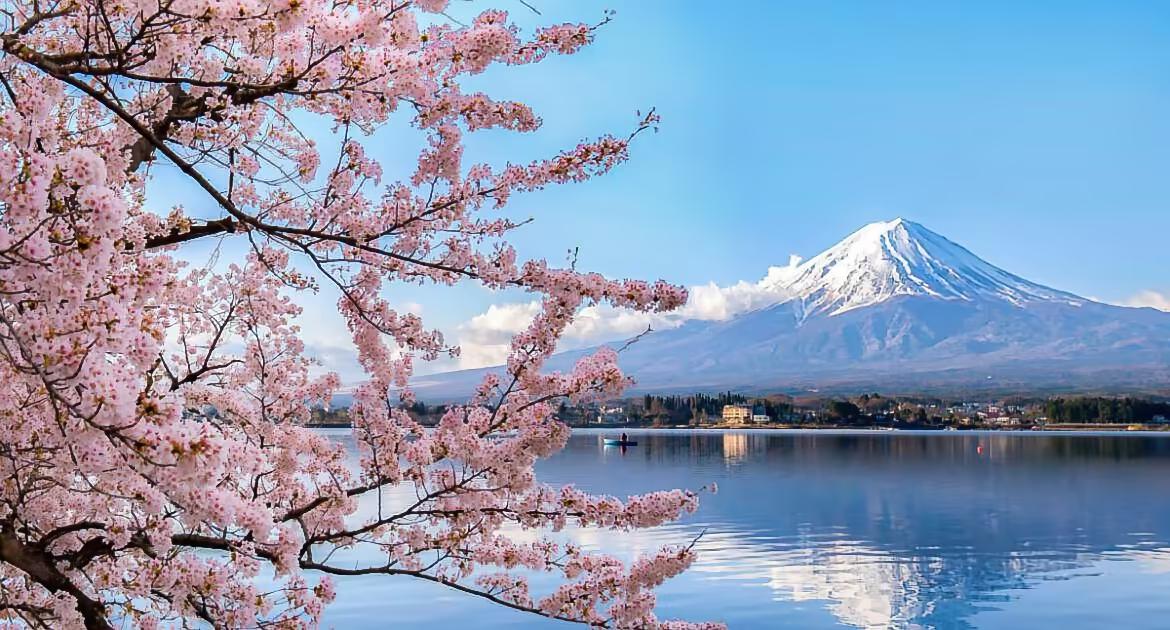
Considering a move to Japan? From Tokyo's neon-lit streets to Kyoto's serene temples, Japan offers expats a unique blend of ancient tradition and cutting-edge modernity. With exceptional safety, world-class public transport, and a culture unlike anywhere else, Japan is a fascinating destination for adventurous expats. This guide covers everything you need for a smooth relocation in 2026.
Japan at a Glance
- Population
- Around 123 million
- Capital
- Tokyo
- Currency
- Japanese Yen (JPY)
- Average Salary
- Around ¥350,000/month net (~¥4,500,000/year gross)
- Language
- Japanese (English limited outside international environments)
- Climate
- Temperate with four distinct seasons; varies by region
- Time Zone
- JST (UTC+9)
Why Move to Japan in 2026
- Exceptional safety: Japan has one of the lowest crime rates in the world. You can walk anywhere at any time safely. Lost items are often returned.
- World-class public transport: Trains run to the second. The Shinkansen (bullet train) is legendary. Clean, efficient, and reliable.
- Rich culture and history: From ancient temples to modern anime culture, Japan offers an unparalleled cultural experience.
- Excellent healthcare: Japan's healthcare system is world-class, affordable, and accessible. National Health Insurance covers 70% of costs.
- Culinary paradise: Japanese cuisine is celebrated globally — from sushi and ramen to regional specialties, food quality is extraordinary.
- Cleanliness and order: Japanese cities are remarkably clean despite their density. Public spaces are well-maintained and organized.
- Unique lifestyle: Experience a culture that values harmony, respect, and craftsmanship — from seasonal festivals to daily rituals.
Moving Costs to Japan
Costs by Origin Region
| Origin | Estimated Cost Range | Shipment Type |
|---|---|---|
| USA to Japan | $2,000 - $6,000 | 20ft container |
| Europe to Japan | $3,000 - $7,000 | 20ft container |
| Australia to Japan | $2,500 - $5,500 | 20ft container |
| Within Japan | ¥80,000 - ¥250,000 | Removal van |
Component Costs Explained
- Transportation: ¥100,000 - ¥500,000 depending on distance and volume
- Insurance: ¥10,000 - ¥40,000
- Customs clearance: ¥15,000 - ¥50,000 (for international moves)
- Packing materials: ¥10,000 - ¥30,000
Real-life case: "I moved from London to Tokyo in March 2025 with about 10 cubic meters. The total cost was around ¥450,000 (about $3,000). Everything arrived in 6 weeks and the movers handled customs smoothly." — Emily T., moved in March 2025
Need a personalised estimate?
Get three vetted moving-company quotes in under 48 hours.
Visa & Residency Requirements
Main Visa Categories
Work Visa (Engineer/Specialist in Humanities/International Services)
- Who it's for: Professionals working in engineering, IT, translation, teaching, marketing, etc.
- Requirements: Job offer from Japanese employer, relevant qualifications or 10+ years experience
- Duration: 1, 3, or 5 years
- Key detail: Most common work visa — employer sponsors your application
Highly Skilled Professional (HSP) Visa
- Who it's for: Highly qualified professionals (researchers, engineers, business managers)
- Requirements: Points-based system (70+ points): education, salary, age, Japanese ability, achievements
- Duration: 5 years
- Key detail: 80+ points = eligible for permanent residence after just 1 year. Fast-track for top talent.
Working Holiday Visa
- Who it's for: Citizens of partner countries, aged 18-30 (some countries with lower caps of 25-26, e.g. Iceland)
- Requirements: Nationality of participating country, sufficient funds
- Duration: 1 year
- Key detail: Can work part-time while traveling. Great way to experience Japan.
Student Visa
- Who it's for: Enrolled in Japanese language schools, universities, or vocational schools
- Requirements: School acceptance, proof of funds (~¥2,000,000/year)
- Duration: 6 months to 2 years
- Key detail: Can work up to 28 hours/week (term time), 40 hours during breaks
Spouse Visa
- Who it's for: Married to a Japanese national or permanent resident
- Requirements: Genuine marriage, adequate living arrangements
- Duration: 1, 3, or 5 years
- Key detail: No work restrictions — can do any job
Business Manager Visa
- Who it's for: Entrepreneurs starting or managing a business in Japan
- Requirements: As of October 2025 — ¥30,000,000 (~$203,000 USD) capital, at least 1 full-time Japanese employee, JLPT N2+ Japanese, 3+ years management experience, and a certified business plan. Home offices no longer accepted.
- Duration: 1, 3, or 5 years
- Key detail: The old ¥5M/2-employee rules were grandfathered for applications before Oct 15, 2025. For smaller ventures, consider the Startup Visa (available in designated cities for 6-12 months to prepare your business plan and secure capital).
- Contains your visa status, period of stay, and address
- Must be carried at all times (legally required)
- Update at city/ward office within 14 days of moving address
- Present when opening bank accounts, signing contracts, etc.
- Bring your Zairyu Card and passport
- You'll be registered in the Basic Resident Register
- Receive your Juminhyo (residence certificate) — needed for many services
- Also enroll in National Health Insurance and National Pension at this time
Finding Housing in Japan
The Japanese rental market has unique customs that can be challenging for foreigners.
Average Rents by Major City (2025-2026)
| City | 1R/1K (Studio) | 1LDK (1-Bed) | Market Level |
|---|---|---|---|
| Tokyo (23 wards) | ¥70,000 - ¥120,000 | ¥120,000 - ¥250,000 | Very competitive |
| Osaka | ¥50,000 - ¥85,000 | ¥80,000 - ¥150,000 | Competitive |
| Yokohama | ¥60,000 - ¥100,000 | ¥90,000 - ¥170,000 | Competitive |
| Kyoto | ¥45,000 - ¥75,000 | ¥70,000 - ¥130,000 | Moderate |
| Fukuoka | ¥40,000 - ¥65,000 | ¥60,000 - ¥100,000 | Relaxed |
Understanding Japanese Apartment Terms
- 1R: One room (studio — everything in one room)
- 1K: One room + separate kitchen
- 1LDK: One bedroom + living/dining/kitchen
- Shikikin (敷金): Deposit — typically 1-2 months' rent (refundable)
- Reikin (礼金): "Key money" — a NON-REFUNDABLE gift to the landlord (1-2 months' rent)
- Chukai-tesuryo (仲介手数料): Agency fee — typically 1 month's rent + tax
- Guarantor company (hoshonin gaisha): Required for most rentals — fee is 50-100% of monthly rent
Total Upfront Costs
Moving into a Japanese apartment is expensive. Expect to pay 4-6 months' rent upfront:
- First month's rent: 1 month
- Deposit: 1-2 months
- Key money: 1-2 months
- Agency fee: 1 month
- Guarantor fee: 0.5-1 month
- Insurance, lock change, etc.: ¥20,000-¥40,000
How to Find Housing
Online Platforms:
- Suumo.jp: Japan's largest property portal
- Homes.co.jp: Second largest, good selection
- GaijinPot Apartments: Foreigner-friendly listings in English
- Real Estate Japan: English-language listings
- OYO Life / Unito: Furnished monthly rentals (no key money)
Tips for Foreigners
- Many landlords refuse to rent to foreigners — use GaijinPot or foreigner-friendly agencies
- Furnished short-term apartments (GaijinPot, Sakura House, Oak House) are great for the first 1-3 months
- Japanese apartments are small — 1LDK is typically 25-40m²
- No shoes inside — ever
- Trash separation is strict and complicated — learn your area's rules
Healthcare & Insurance
Japan has universal healthcare — all residents must be enrolled.
National Health Insurance (NHI - Kokumin Kenko Hoken)
- Who: Self-employed, students, unemployed, freelancers
- Cost: Based on previous year's income — income-based rate (~10% combined for medical, support, and care) plus flat per-person charges (~¥75,000/year), typically ¥10,000-¥30,000/month for moderate earners
- Coverage: 70% of medical costs (you pay 30%)
- How to enroll: At your city/ward office when registering residence
Shakai Hoken (Employer-Based Social Insurance)
- Who: Employees of companies with 5+ workers (mandatory); expanding to smaller employers with 501+ employees since 2024 and 101+ employees since 2025
- Cost: Shared ~50/50 between employer and employee; employee share is ~15% of salary total (health insurance ~5%, pension ~9%, unemployment ~0.5-0.6%)
- Coverage: 70% medical + pension + unemployment insurance + workers' comp
- Better than NHI: Higher coverage for some benefits, pension included
Healthcare Costs
- Doctor visit (with insurance): ¥1,000 - ¥3,000 (after 70% coverage)
- Prescriptions: ¥1,000 - ¥5,000 per medication
- Hospital stay: ¥10,000 - ¥30,000/month (with insurance — very affordable)
- Dental: Covered by insurance (basic procedures)
- High-cost medical care: Monthly out-of-pocket cap based on income (typically ¥80,000-¥150,000)
Get a personalised relocation plan
Drop your email and we'll send a tailored checklist plus three quotes from vetted movers.
Banking & Finance
Opening a Bank Account
Required documents:
- Zairyu Card (residence card)
- Passport
- Inkan (personal seal) — or signature at some banks
- Proof of address (Juminhyo)
- Phone number
Top banks
Japan Post Bank (Yucho)
- Most accessible for foreigners — post office branches everywhere
MUFG Bank
- Largest Japanese bank
SMBC (Mitsui Sumitomo)
- Second-largest
- good services
Rakuten Bank
- Online bank
- popular with tech-savvy expats
Sony Bank
- Good for international transfers and multi-currency
Important Notes
- Many banks require you to be in Japan for 6+ months before opening an account
- Japan Post Bank is the most newcomer-friendly
- Cash is still king in Japan — many places don't accept cards
- ATM hours are limited (many close at night and on holidays!)
- Inkan (hanko seal) is needed for many official transactions
Tax System
- Income tax: Progressive rates from 5% to 45%
- Residence tax (juminzei): ~10% of previous year's income (billed in June)
- Social insurance: ~15% (pension, health, employment — employer pays half)
- Consumption tax (shohizei): 10% (standard), 8% (food/beverages)
My Number (Individual Number)
Japan's social security/tax number — 12 digits:
- Issued after registering residence at city office
- Required for tax filing, some banking, and government services
- Card also serves as ID
- Keep the notification card safe
Cost of Living in Japan
Monthly Budget Breakdown by City
| City | One-Person Budget | Family of 3 Budget | Cost Level |
|---|---|---|---|
| Tokyo | ¥250,000 - ¥400,000 | ¥450,000 - ¥750,000 | High |
| Osaka | ¥200,000 - ¥320,000 | ¥350,000 - ¥600,000 | Moderate-High |
| Yokohama | ¥220,000 - ¥350,000 | ¥400,000 - ¥650,000 | Moderate-High |
| Kyoto | ¥180,000 - ¥280,000 | ¥320,000 - ¥550,000 | Moderate |
| Fukuoka | ¥160,000 - ¥250,000 | ¥280,000 - ¥480,000 | Moderate |
Detailed Cost Breakdown
Housing:
- Studio (1R/1K): ¥50,000 - ¥120,000/month
- 1-bedroom (1LDK): ¥70,000 - ¥250,000/month
- Utilities: ¥8,000 - ¥20,000/month
- Internet: ¥4,000 - ¥6,000/month
Groceries & Food:
- Monthly groceries: ¥30,000 - ¥60,000
- Convenience store meal (bento): ¥400 - ¥600
- Restaurant meal (inexpensive): ¥800 - ¥1,200
- Mid-range restaurant for 2: ¥4,000 - ¥8,000
- Coffee (chain): ¥300 - ¥500
Transportation:
- Monthly commuter pass: ¥10,000 - ¥20,000 (employer often covers)
- Single train ride: ¥150 - ¥300
- Taxi start: ¥500 (expensive after that)
Language & Culture Tips
Do You Need Japanese?
Yes, absolutely. Outside international companies and tourist areas, English is very limited. Japanese is essential for daily life, bureaucracy, healthcare, and social integration.
Japanese Language Levels (CEFR)
- N5 (Beginner): Basic hiragana/katakana, simple phrases. 2-3 months.
- N4 (Elementary): Everyday conversation basics. 6-9 months.
- N3 (Intermediate): Handle most daily situations. Minimum for daily comfort. 1-2 years.
- N2 (Upper Intermediate): Professional level. Most jobs require this. 2-3 years.
- N1 (Advanced): Near-native fluency. 3-5 years.
Language Learning Resources
- Japanese language schools: ¥500,000-¥800,000/year (student visa eligible)
- Community classes: Many cities offer free/cheap Japanese classes for foreigners
- NHK World: Free Japanese lessons
- WaniKani / Anki: Kanji learning tools
- HelloTalk / Tandem: Language exchange apps
Cultural Norms
Bowing: The universal greeting. Depth indicates formality. A slight nod is fine for daily interactions.
Shoes off: Remove shoes when entering homes, many restaurants, and some workplaces. Slippers provided.
Quiet trains: Talking on phones is forbidden on trains. Keep conversations quiet.
Punctuality: Trains run to the second. Being on time means being 5 minutes early.
Gift-giving: Bring gifts (omiyage) when visiting someone's home. Wrapping matters.
Garbage separation: Extremely strict. Different categories collected on different days. Learn your area's rules immediately.
Business cards (meishi): Exchange with both hands, bow slightly, study the card before putting it away respectfully.
Cash culture: Japan is still largely cash-based. Always carry cash, especially outside major cities.
Moving Checklist
- Research visa requirements and secure job offer or school acceptance
- Start learning Japanese (hiragana, katakana, basic phrases)
- Get moving quotes from international movers
- Research cities and neighborhoods
- Apply for visa at Japanese embassy/consulate
- Book moving company
- Arrange temporary accommodation (GaijinPot, Sakura House, Airbnb)
- Purchase international health insurance for transition period
- Pack belongings
- Arrange travel to Japan
- Download essential apps (Google Translate, Japan Transit Planner, Suica)
- Get Japanese yen cash for first weeks
- Receive Zairyu Card at airport immigration
- Get Japanese phone number (IIJmio, Rakuten Mobile, or cheap SIM)
- Register at city/ward office within 14 days (Juminhyo + NHI)
- Apply for My Number card
- Enroll in National Health Insurance (or confirm employer's Shakai Hoken)
- Open bank account (Japan Post Bank is easiest)
- Begin housing search
- Get Suica/Pasmo transit card
- Sign a lease and move into permanent housing
- Set up utilities (electricity: TEPCO/Kansai Electric, gas, water)
- Learn garbage separation rules for your area
- Register for National Pension (if not enrolled via employer)
Where to Find Tools and Resources
ReloAdvisor Tools:
- Volume calculator
- Video survey
- Moving cost calculator
Official Japanese Resources:
- Immigration Services Agency — Visa and residence information
- JNTO — Japan National Tourism Organization
- NHK World — Japanese language lessons
Expat Communities:
- GaijinPot — Japan's leading English-language expat resource
- Expat.com Japan
- r/japanlife — Active Reddit community
Related Guides:
- Moving to South Korea
- Moving to Singapore