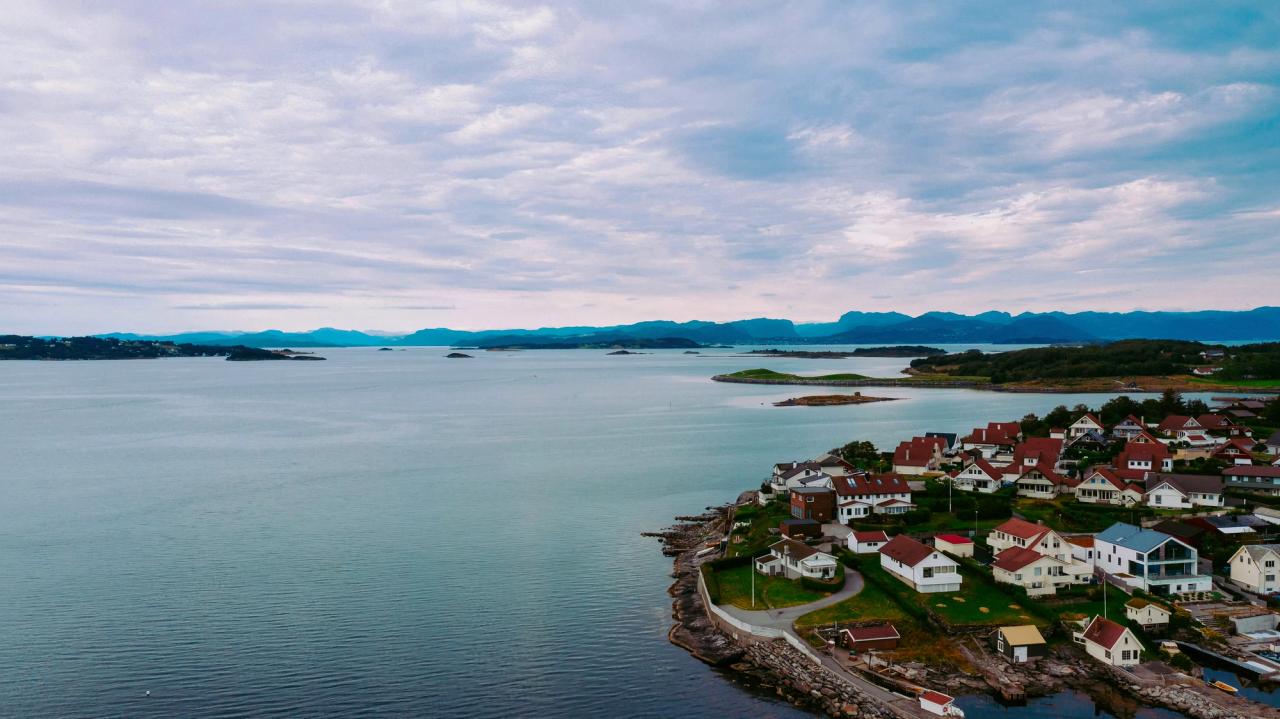

Stavanger es la capital petrolera de Noruega, una ciudad costera con una larga historia marítima y la mayor concentración de profesionales del sector energético del país. Su encantador casco antiguo (Gamle Stavanger) de casas blancas de madera, la proximidad al impresionante Lysefjord y una próspera comunidad internacional la convierten en un destino único para expatriados. Si usted trabaja en energía, ingeniería o transporte marítimo, es probable que Stavanger ya esté en su radar.
Stavanger de un vistazo

- Población
- ~151.669 (área metropolitana ~360.000)
- Región
- Suroeste de Noruega (Rogaland)
- Conocida por
- Capital del petróleo, Gamle Stavanger (casco antiguo), Lysefjord
- Alquiler medio (1 dormitorio)
- NOK 11.500–15.500/mes (centro de la ciudad)
- Salario medio
- NOK 38.000–45.000/mes neto
- Comunidad expatriada
- Amplia — sector energético, muchos profesionales británicos, estadounidenses y neerlandeses
Por qué mudarse a Stavanger
- Centro del petróleo y la energía: sede de Equinor, Shell Noruega y cientos de empresas de servicios energéticos.
- Salarios más altos: las primas del sector energético hacen que los salarios a menudo igualen o superen a los de Oslo.
- Encanto del casco antiguo: las 173 casas blancas de madera de Gamle Stavanger son de las mejor conservadas del norte de Europa.
- Aventura al aire libre: Lysefjord, Preikestolen y Kjerag están a poca distancia.
- Vida costera: clima suave, playas (Solastranden) y un ambiente marítimo relajado.
Buscar vivienda en Stavanger
Alquileres medios
| Barrio | 1 dormitorio (NOK/mes) | 3 dormitorios (NOK/mes) | Carácter |
|---|---|---|---|
| Sentrum (Centro) | 12.500–16.000 | 22.000–30.000 | Céntrico, puerto, restaurantes |
| Eiganes y Våland | 12.000–15.500 | 22.000–28.000 | Residencial, parques, familias |
| Hillevåg | 9.500–12.500 | 17.000–22.000 | Económico, buena comunicación |
| Hundvåg | 10.000–13.000 | 18.000–24.000 | Vida insular, conectado por puente |
| Madla | 10.500–13.500 | 19.000–25.000 | Zona residencial, cerca de playas, ideal para familias |
| Storhaug | 9.500–12.500 | 17.000–22.000 | En auge, diverso, económico |
Cómo encontrar vivienda
- Finn.no: La principal plataforma de alquiler y compra.
- Hybel.no: Ideal para pisos compartidos y apartamentos pequeños.
- Alojamiento corporativo: Muchas empresas del sector energético ofrecen paquetes de reubicación con alojamiento temporal.
- Grupos de Facebook: «Bolig i Stavanger» y los grupos de vivienda para expatriados son muy activos.
Consejos para expatriados
- El sector energético impulsa la demanda de vivienda: empiece a buscar con antelación.
- Muchos expatriados del sector petrolero viven en Eiganes, Våland o en las afueras occidentales cerca de Forus.
- Se necesita un fødselsnummer para la mayoría de los contratos de alquiler: organice primero un alojamiento temporal.
- El verano es la época con menos demanda de alquiler: aprovéchelo a su favor.
- La mayoría de los apartamentos no están amueblados: prevea presupuesto para muebles o busque opciones møblert (amuebladas).
- Muchos paquetes de reubicación de empresas energéticas incluyen el alquiler de muebles: revise su contrato.
Guía de barrios
- Gamle Stavanger (Casco Antiguo): Calles empedradas y casas blancas de madera. Encantador, pero con poca disponibilidad. Alquiler alto.
- Sentrum: Zona portuaria con restaurantes, tiendas y Øvre Holmegat. Animado. Alquiler de medio a alto.
- Eiganes: Zona ajardinada y exclusiva con grandes villas y parques. Popular entre familias expatriadas. Alquiler alto.
- Våland: Cerca del hospital y la universidad. Calles residenciales tranquilas. Alquiler medio.
- Hillevåg: Más económico con buenas conexiones de autobús. Popular entre jóvenes profesionales. Alquiler de bajo a medio.
- Madla: Afueras occidentales cerca de la playa de Solastranden. Orientado a familias. Alquiler medio.
- Storhaug: En auge, diverso y cada vez más popular entre jóvenes profesionales. Alquiler de bajo a medio.
- Tasta: Afueras al norte con viviendas familiares, colegios y cercanía a Hafrsfjord. Alquiler de bajo a medio.
Coste de vida en Stavanger
Desglose del presupuesto mensual
| Categoría | Rango de presupuesto (NOK) |
|---|---|
| Alquiler (1 dormitorio, centro) | 11.500–15.500 |
| Servicios públicos | 2.000–3.500 |
| Internet | 500–700 |
| Alimentación | 4.500–6.500 |
| Transporte (bono mensual) | 750–850 |
| Comer fuera (4 veces/mes) | 2.200–3.800 |
| Ocio/Gimnasio | 450–700 |
| Total | 20.700–29.050 |
Gastos cotidianos
- Café: NOK 45–60
- Almuerzo (informal): NOK 140–190
- Bono mensual de transporte: NOK 750–850
- Cerveza (bar): NOK 85–115
- Entrada de cine: NOK 130–160
- Barra de pan: NOK 32–48
- 1 litro de leche: NOK 19–24
- Cuota mensual de gimnasio: NOK 400–650
- Pizza para llevar: NOK 180–250
- Botella de vino (Vinmonopolet): NOK 150–250
- Tarifa móvil mensual: NOK 250–400
- Aparcamiento (mensual, centro): NOK 1.500–2.500
Desplazarse por Stavanger
- Transporte público: Kolumbus opera autobuses en toda la región de Stavanger-Sandnes. Bono mensual NOK 750–850.
- Bicicleta: El terreno llano hace que ir en bici sea práctico. Hay carriles bici, pero están menos desarrollados que en Oslo.
- Coche: Es habitual, especialmente para quienes viajan a Forus. Hay peajes de circunvalación. Aparcamiento disponible pero caro (NOK 30–50/hora).
- Aeropuerto: Stavanger Sola (SVG), a 14 km al suroeste. Vuelos frecuentes a Oslo (~55 min), Bergen, Londres, Ámsterdam y Aberdeen.
- Ferry: Ferris a Tau y Lysefjord desde el puerto.
Sanidad en Stavanger
- Hospitales y clínicas: El Hospital Universitario de Stavanger (SUS) es el centro principal. Las clínicas privadas atienden a expatriados.
- Médicos anglohablantes: Muy habituales debido a la amplia población internacional.
- Farmacias: Apotek 1 y Vitusapotek están muy extendidas.
- Teléfono de emergencias: 113 (ambulancia), 110 (bomberos), 112 (policía).
- Registro de médico de cabecera: Elija su fastlege a través de Helsenorge.no.
Recibe un plan de mudanza personalizado
Deja tu email y te enviaremos una checklist a medida y tres presupuestos de empresas verificadas.
Visados y residencia
- Visado de trabajo (trabajador cualificado): Requiere una oferta de empleo y cualificaciones pertinentes.
- Trabajador cualificado (fuera de la UE/EEE): Noruega no forma parte de la UE y no emite la Tarjeta Azul UE. Los trabajadores cualificados de fuera de la UE/EEE deben solicitar el permiso de trabajador cualificado a través de la UDI.
- Transferencia intracompañía: Para empleados que se trasladan dentro de empresas energéticas multinacionales.
- Permiso de inmigración familiar: Para familiares cercanos de residentes noruegos.
Los ciudadanos de la UE/EEE pueden vivir y trabajar libremente, pero deben registrarse en un plazo de 3 meses.
Información sobre visados: https://www.udi.no/en/want-to-apply
Suministros e internet
- Electricidad: Los proveedores incluyen Lyse, Fjordkraft y Tibber. De media, entre 800 y 1.500 NOK al mes. Los inviernos suaves suponen costes de calefacción más bajos que en las ciudades del norte.
- Internet: Lyse (Altibox), Telenor y Telia ofrecen conexiones de fibra. Prevé entre 500 y 700 NOK al mes para 100–500 Mbps.
- Agua y residuos: Generalmente incluidos en las tasas municipales o en los gastos de la comunidad.
- Calefacción: Los radiadores eléctricos son lo habitual. El clima marítimo mantiene los costes de calefacción moderados durante todo el año.
Cultura y estilo de vida
- Cultura de la industria energética: Restaurantes internacionales, comunidades de habla inglesa y un ambiente cosmopolita.
- Gamle Stavanger: Pasee por el Casco Antiguo y visite el Museo Noruego de la Conserva.
- Preikestolen: La icónica Pulpit Rock, a 604 metros de altura, está a 2 horas en coche y ferry — una de las excursiones más famosas de Noruega.
- Festival gastronómico Gladmat: Uno de los más grandes de Escandinavia, se celebra cada mes de julio.
- Playas: Solastranden es una de las mejores playas de Noruega, a 15 minutos del centro de la ciudad.
Gastronomía y restaurantes
- Rogaland es el corazón agrícola de Noruega — cordero fresco, hortalizas de raíz y un marisco excelente.
- Mejores zonas para comer: puerto de Øvre Holmegat, Fisketorget y Pedersgata.
- Opciones económicas: Panaderías y cafeterías cerca del puerto desde 110 hasta 150 NOK.
Comunidad expatriada
- Grupos de expatriados en Stavanger: Grandes comunidades en Facebook e InterNations.
- Clubes británicos y estadounidenses: Críquet, noches de trivia y eventos estacionales.
- Redes de colegios internacionales: Activas comunidades de padres en BISS e ISS.
- Clubes deportivos: Clubes de fútbol, rugby, vela y golf con una fuerte participación de expatriados.
Mercado laboral en Stavanger
- Principales industrias: Petróleo y gas, servicios energéticos, sector marítimo, acuicultura, industria alimentaria y energías renovables.
- Principales empleadores: Equinor, Aker BP, Shell Norway, SLB, Kongsberg Maritime y HitecVision.
- Salarios medios por sector (bruto mensual):
| Sector | Media (NOK) |
|---|---|
| Petróleo y gas | 65.000–95.000 |
| Ingeniería | 55.000–80.000 |
| IT / Tecnología | 55.000–78.000 |
| Marítimo | 50.000–72.000 |
| Educación | 43.000–55.000 |
| Sector público | 40.000–52.000 |
- Recursos de búsqueda de empleo: Finn.no/jobb, Nav.no, LinkedIn, eventos profesionales de ONS.
Educación en Stavanger
- Colegios internacionales: British International School of Stavanger (BISS), International School of Stavanger (ISS).
- Universidades: Universidad de Stavanger (UiS) — ingeniería, negocios, ciencias sociales, salud.
- Escuelas de idiomas: Folkeuniversitetet, cursos de noruego en Rogaland.
Banca y registro
Abra una cuenta bancaria con: pasaporte, fødselsnummer o D-number, justificante de domicilio y, en ocasiones, justificante de empleo. Regístrese en Skatteetaten para obtener su fødselsnummer, imprescindible para la banca, la sanidad y los impuestos.
Lista de tareas para mudarse a Stavanger
- Confirme el permiso de residencia o el registro UE/EEE.
- Si se traslada con una empresa energética, aclare el paquete de reubicación y el alojamiento temporal.
- Investigue las plazas escolares: los colegios internacionales se llenan rápidamente.
- Regístrese en Skatteetaten para obtener el fødselsnummer o el D-number.
- Abra una cuenta bancaria (DNB, Nordea o Sparebanken Sørvest).
- Compre un abono mensual de transporte Kolumbus.
- Busque vivienda permanente en Finn.no o Hybel.no.
- Regístrese con un médico de cabecera (fastlege) en Helsenorge.no.
- Obtenga un número de teléfono noruego.
Transportar sus pertenencias a Stavanger
Los gastos de envío varían según el volumen y el origen. Tarifas habituales del mercado:
| Tipo de traslado | Tiempo | Coste (USD) |
|---|---|---|
| Contenedor de 20 pies (FCL) | 2–6 semanas | $1,450–4,000 |
| Contenedor de 40 pies (FCL) | 2–6 semanas | $2,400–5,050 |
| Envío aéreo (~1 m³) | 3–5 días | $1,700+ |
Noruega no pertenece a la UE — se aplica un arancel de importación del 0–10 % más un 25 % de IVA sobre el valor CIF. Los bienes domésticos usados en posesión durante más de 6 meses pueden optar a la importación libre de aranceles si usted ha residido en el extranjero durante 12 meses o más.
Llevar un coche a Stavanger
La importación de un vehículo requiere una declaración aduanera, un 25 % de IVA y el impuesto de matriculación (engangsavgift). Los coches importados deben superar la inspección técnica. Los permisos de conducir de la UE/EEE son válidos sin necesidad de canje. Los permisos no comunitarios deben canjearse en un plazo de 12 meses; algunos países permiten el canje sin necesidad de examen.
Llevar mascotas a Stavanger
Las mascotas deben tener microchip, vacunación contra la rabia y un certificado sanitario de la UE o pasaporte para animales de compañía. Las mascotas no comunitarias necesitan un certificado veterinario emitido en los 10 días previos. Algunas razas de perro están prohibidas. Las mascotas procedentes de fuera de la UE/EEE entran por puntos designados y pueden ser inspeccionadas por Mattilsynet.
Obligaciones fiscales en Stavanger
Los residentes fiscales (183 días o más al año) tributan por sus ingresos mundiales. Tipos progresivos: aproximadamente del 22 % al 47,4 %. Cotizaciones sociales en torno al 8 % de los ingresos. Convenios de doble imposición con más de 90 países.
Idioma noruego e integración
- ¿Es necesario el noruego? Muchos puestos del sector energético funcionan en inglés, pero aprender noruego amplía sus opciones profesionales y su vida social. Fuera de la industria petrolera, a menudo se espera que hable noruego.
- Cursos gratuitos: Rogaland fylkeskommune ofrece clases de noruego gratuitas para los residentes inscritos. Folkeuniversitetet ofrece cursos de pago.
- Recursos en línea: Duolingo (noruego bokmål), curso gratuito de noruego de la NTNU y Memrise.
- Niveles de idioma: se espera un nivel B1–B2 en un plazo de 1–2 años para la mayoría de los puestos. La ciudadanía requiere un nivel A2 oral y escrito.
- Dialecto de Stavanger: el dialecto local (Stavangersk) tiene una pronunciación y un vocabulario peculiares, pero es fácil de entender una vez que conoce el noruego estándar.
Guías relacionadas
- Mudarse a Noruega — guía completa del país
- Mudarse a Oslo — guía de la capital
- Mudarse a Bergen — puerta de entrada a los fiordos
- Mudarse a Trondheim — centro tecnológico y universitario
- Mudarse a Tromsø — vida por encima del Círculo Polar Ártico
- Mudarse a Drammen — ciudad asequible para desplazarse a Oslo