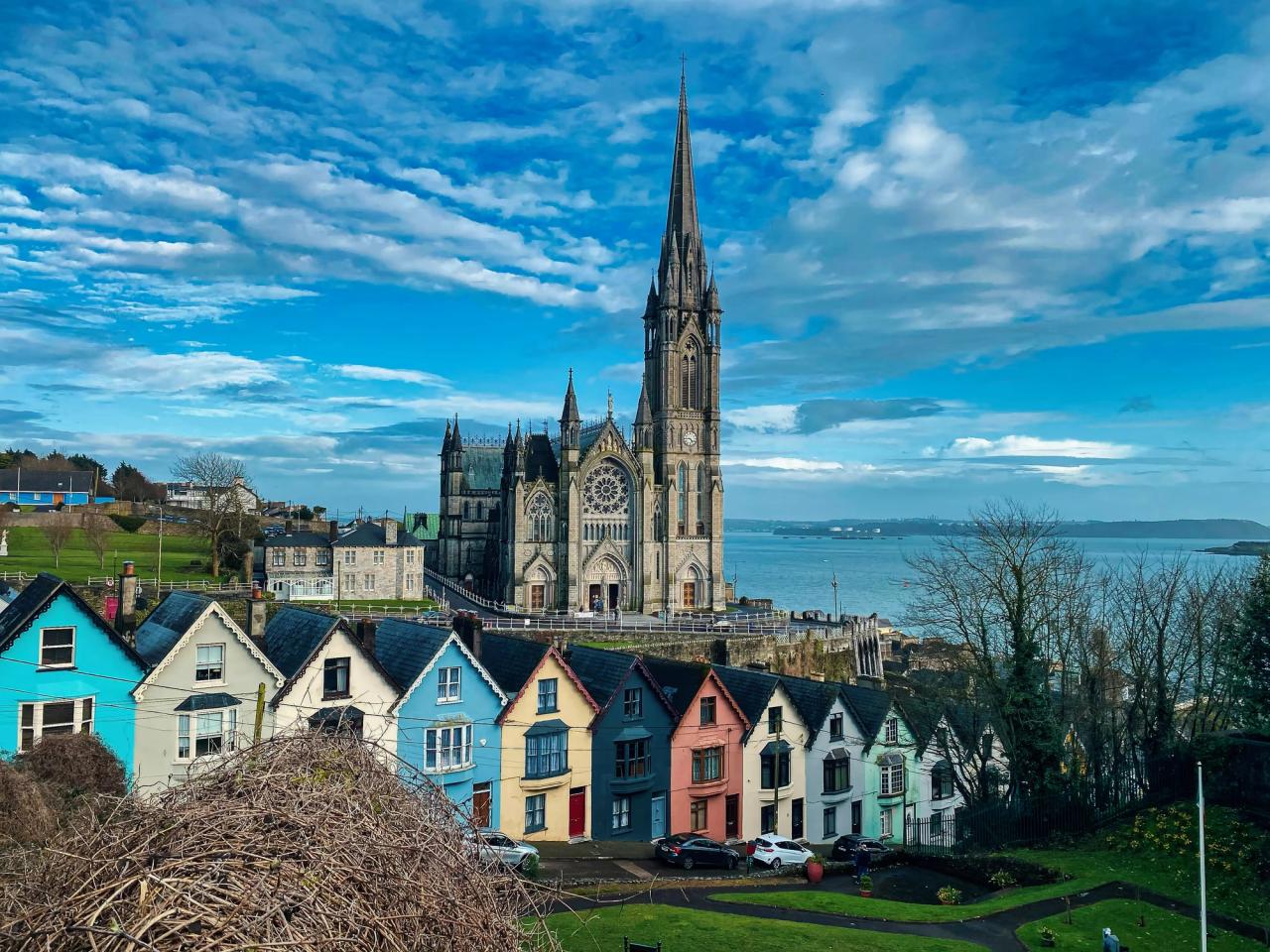
Cork, la segunda ciudad más grande de Irlanda, se extiende a orillas del río Lee en el sur del país. Conocida como la «Ciudad Rebelde» por su carácter independiente, Cork destaca por su gastronomía de primer nivel centrada en el English Market, un creciente núcleo de empresas tecnológicas y farmacéuticas, y un ritmo de vida más sosegado que el de Dublín. Los expatriados se instalan aquí por las oportunidades laborales en los sectores farmacéutico, de tecnología médica e informático, atraídos por alquileres más bajos, una comunidad sólida y un fácil acceso a la costa. Si busca una ciudad irlandesa auténtica con serias perspectivas profesionales y una cultura gastronómica que supera con creces lo esperado, Cork es difícil de superar.
Cork de un vistazo
Datos financieros correspondientes al primer trimestre de 2026. Los precios pueden variar considerablemente según las condiciones del mercado y las circunstancias individuales.
- Población
- ~225.000 (área metropolitana de Cork ~330.000)
- Región
- Munster, costa sur
- Conocida por
- El English Market, polo tecnológico y farmacéutico, historia rebelde
- Alquiler medio (1 dormitorio)
- €1,800–€2,300
- Salario medio
- ~44.000 € al año (neto ~2.900 €/mes)
- Comunidad expatriada
- En crecimiento; comunidades brasileña, india y europea consolidadas
- Clima
- Oceánico suave; inviernos de 4–9 °C, veranos de 14–20 °C
- Idioma
- Inglés (el irlandés se enseña pero rara vez se usa a diario)
- Moneda
- Euro (€)
Por qué mudarse a Cork
- Ventajas de ser la segunda ciudad: Cork ofrece todos los servicios y la cultura de una gran ciudad sin los alquileres desorbitados ni la congestión de Dublín. Podrá disfrutar de una auténtica experiencia urbana —teatros, restaurantes, vida nocturna— a un coste de vida inferior.
- Mercado laboral en auge: Entre los principales empleadores se encuentran Apple (sede europea), Pfizer, Johnson & Johnson, Eli Lilly y DePuy Synthes, además de un creciente ecosistema de startups impulsado por el Tyndall National Institute y los espacios de coworking de Cork.
- Capital gastronómica de Irlanda: El English Market (en funcionamiento desde 1788) y decenas de restaurantes independientes convierten Cork en un destino para los amantes de la buena mesa. La ciudad destaca especialmente en productos artesanales, cerveza artesanal y cocina de kilómetro cero.
- Estilo de vida costero: Kinsale (a 30 minutos), Crosshaven y el Wild Atlantic Way están todos a fácil alcance para escapadas de fin de semana. La costa de West Cork se cuenta entre las más hermosas de Europa.
- Vida universitaria: University College Cork (UCC) y Munster Technological University (MTU) atraen a estudiantes internacionales, investigación y una energía juvenil que mantiene la ciudad vibrante.
- Tamaño compacto: Cork es lo bastante grande para ofrecer todo lo que necesita, pero lo bastante pequeña para cruzar su centro a pie en 20 minutos. No hay una extensión suburbana desmesurada; la ciudad conserva la calidez de un pueblo.
- Puerta de entrada a West Cork: Desde la ciudad de Cork, tiene fácil acceso a parte de la costa más hermosa de Irlanda: Kinsale, Clonakilty, Schull, Baltimore y la península de Beara son todos destinos accesibles para excursiones de fin de semana.
Buscar vivienda en Cork
Alquileres medios
> Nota: Los precios de alquiler son estimaciones basadas en datos actuales del mercado. Para conocer los precios más precisos y actualizados, consulte Daft.ie o a agentes inmobiliarios locales.
| Barrio | 1 dormitorio | 3 dormitorios | Carácter |
|---|---|---|---|
| Centro de la ciudad | €1,800–€2,300 | €2,700–€3,600 | Peatonal, vida nocturna, restaurantes |
| Douglas | €1,600–€2,000 | €2,500–€3,200 | Ambiente de pueblo suburbano, tiendas, familias |
| Blackrock | €1,500–€1,900 | €2,300–€3,000 | Tranquilo, costero, popular entre profesionales |
| Ballincollig | €1,400–€1,800 | €2,100–€2,800 | Económico, buenas escuelas, bien comunicado |
| St. Luke's / Sunday's Well | €1,500–€1,900 | €2,300–€2,900 | Casas históricas, zona elevada, ambiente creativo |
| Wilton | €1,400–€1,800 | €2,100–€2,700 | Cerca del CUH, práctico, estudiantes |
| Bishopstown | €1,400–€1,800 | €2,200–€2,800 | Cerca del MTU, familias, viviendas variadas |
| Mahon | €1,300–€1,700 | €2,000–€2,600 | Cerca de Mahon Point, económico, familias |
Cómo encontrar vivienda
- Daft.ie: el portal inmobiliario más grande de Irlanda. La mayoría de los anuncios de Cork aparecen aquí primero. Consúltelo varias veces al día, ya que las buenas propiedades se ocupan rápidamente.
- Rent.ie: útil para filtrar por barrio y configurar alertas de precio.
- Grupos de Facebook: los grupos «Cork Rent a Room» y «Cork Accommodation» son activos con anuncios de alojamiento privado y compartido.
- Agencias inmobiliarias: Sherry FitzGerald, Savills y Douglas Newman Good gestionan propiedades administradas y alquileres a largo plazo.
- Plataformas de compartir piso: alquilar una habitación en una casa compartida (600–900 €/mes) es habitual para quienes acaban de llegar y reduce considerablemente los gastos.
Consejos para expatriados
- Tenga listos el depósito (un mes de alquiler) y las referencias (propietario anterior, carta del empleador) antes de las visitas.
- La competencia es feroz: responda a los anuncios en cuestión de horas, no de días. Estar disponible para visitas inmediatas es una gran ventaja.
- Considere zonas residenciales como Douglas o Blackrock para obtener mejor relación calidad-precio y un entorno más tranquilo, manteniéndose en líneas de autobús directas al centro.
- Exija un contrato de arrendamiento por escrito y verifique que la vivienda esté registrada en la Junta de Tenencias Residenciales (RTB).
- Evite pagar en efectivo sin recibo. Todos los propietarios legítimos proporcionarán un contrato por escrito y aceptarán transferencias bancarias.
Guía de barrios
- Centro de la ciudad: ideal para solteros y jóvenes profesionales que buscan poder moverse a pie. Patrick Street, el English Market, los bares y restaurantes de Oliver Plunkett Street y el Barrio Victoriano en MacCurtain Street están a la vuelta de la esquina. Los alquileres son los más altos aquí.
- Douglas: un pueblo autosuficiente dentro de la ciudad, muy popular entre familias. Cuenta con buenos colegios (Douglas Community School, Regina Mundi), supermercados y un ambiente relajado. Bien conectado por las líneas de autobús 220 y 216.
- Blackrock: un tranquilo barrio arbolado junto al río con una creciente escena de cafeterías y el Observatorio del Castillo de Blackrock. Popular entre profesionales y parejas. Alquileres algo más bajos que en el centro y un agradable paseo ribereño hasta la ciudad.
- Ballincollig: barrio asequible al oeste con excelentes colegios y el Ballincollig Regional Park (un espacio verde de 130 hectáreas). Ideal para familias que no les importe un trayecto de 20 minutos. Bien comunicado por el autobús 220.
- St. Luke's / Sunday's Well: barrios elevados cerca del centro con casas de época victoriana y georgiana. Populares entre académicos, artistas y personal del UCC. Excelentes vistas sobre la ciudad.
- Bishopstown: cerca del campus de Bishopstown de la MTU y del Cork University Hospital. Práctico para estudiantes y personal sanitario. Mezcla de urbanizaciones antiguas y desarrollos más recientes.
- Mahon: un barrio al sureste cerca del Mahon Point Shopping Centre. Asequible, ideal para familias y cerca de Blackrock. Buenas conexiones de autobús y un ritmo más tranquilo.
Coste de vida en Cork
> Nota: las cifras de coste de vida son estimaciones y pueden variar considerablemente según el estilo de vida y las circunstancias de cada persona. Verifique siempre los precios actuales antes de elaborar su presupuesto.
Desglose del presupuesto mensual
| Categoría | Rango presupuestario |
|---|---|
| Alquiler (1 dormitorio, centro) | €1.800–€2.300 |
| Suministros (electricidad, gas, residuos) | €170–€210 |
| Internet (banda ancha) | €45–€60 |
| Alimentación | €350–€450 |
| Transporte (abono de autobús) | €90–€120 |
| Comidas fuera (4 veces al mes) | €120–€180 |
| Ocio / cuota de gimnasio | €40–€65 |
| Seguro de salud (básico) | €80–€120 |
| Tarifa de teléfono móvil | €20–€30 |
| Total | €2.615–€3.335 |
Gastos del día a día
- Café (flat white): €3,80
- Almuerzo (restaurante informal): €12–€15
- Abono mensual de transporte (Bus Éireann): ~100 EUR
- Pinta de cerveza (pub): 5,50–6,50 EUR
- Entrada de cine: 12 EUR
- Mensualidad de gimnasio: 40–65 EUR
- Barra de pan: 1,80 EUR
- Litro de leche: 1,30 EUR
- Docena de huevos: 3,40 EUR
- Factura mensual de suministros (1 dormitorio): 170–210 EUR
- Cena para llevar para dos: 22–30 EUR
Desplazarse por Cork
- Transporte público: Bus Éireann opera las líneas urbanas; la 220 es la principal que cruza la ciudad. Un abono mensual cuesta unos 100 EUR. La cobertura es buena en la ciudad, pero irregular en las afueras. Puede consultarse el seguimiento en tiempo real a través de la app TFI Live.
- Bicicleta: Cork es una ciudad con cuestas — lo delatan sus siete puentes sobre el río Lee —, pero cada vez es más amiga de la bicicleta. Se están ampliando los carriles bici a lo largo del río y de The Marina. La mayoría de los ciclistas usan bicicleta propia, ya que el sistema público de alquiler es limitado.
- Coche: El tráfico puede ser denso en hora punta, especialmente al cruzar el río entre la zona norte y la sur. El aparcamiento en el centro es limitado (parking cubierto desde 2,50 EUR/hora). Conducir por Cork es manejable en comparación con Dublín.
- Aeropuerto: El Aeropuerto de Cork (ORK) ofrece vuelos directos a Londres, París, Ámsterdam, Mánchester, Edimburgo y rutas europeas de temporada. Es pequeño y eficiente: a 15 minutos del centro en autobús.
- Interurbano: Dublín está a 2,5 horas en coche por la autopista M8 o a 2 horas y 45 minutos en tren de Irish Rail (servicio horario). Bus Éireann y Aircoach conectan con Dublín, Limerick, Galway y Killarney.
- Taxis: Uber y Free Now operan en Cork. Un trayecto típico por el centro cuesta entre 7 y 12 EUR. Los taxis abundan las noches del fin de semana.
Sanidad en Cork
- Hospitales y clínicas: El Cork University Hospital (CUH) es el hospital agudo más grande de la región y un importante centro de traumatología. El Mercy University Hospital cubre las necesidades del centro urbano. El Bon Secours Hospital Cork es el principal hospital privado. Los tres están dentro o cerca de la ciudad.
- Médicos angloparlantes: Son muy habituales. Regístrese con un médico de cabecera cerca de su domicilio; las consultas cuestan entre 50 y 70 EUR sin tarjeta médica. El HSE ofrece un buscador de médicos de cabecera en su página web.
- Farmacias: Boots, Hickey's y farmacias independientes se encuentran en casi todas las calles comerciales. La mayoría abren de lunes a sábado; algunas también tienen horario dominical.
- Dentista: Lo habitual son las clínicas dentales privadas. Una revisión cuesta entre 40 y 60 EUR. El HSE presta atención dental a los titulares de tarjeta médica y a los niños.
- Número de emergencia: 999 o 112 (ambos funcionan en Irlanda).
Recibe un plan de mudanza personalizado
Deja tu email y te enviaremos una checklist a medida y tres presupuestos de empresas verificadas.
Cultura y estilo de vida
- Escena gastronómica: The English Market es el gran protagonista: un mercado cubierto victoriano que vende productos locales, pescado, carne, queso y repostería desde 1788. La oferta de restaurantes de Cork rivaliza con la de Dublín, con una firme filosofía de la granja a la mesa. MacCurtain Street (el «New Quarter») se ha consolidado como foco gastronómico.
- Música en directo: Locales como Cyprus Avenue (indie/rock), Connolly's of Leap (a las afueras, legendario) y el Crane Lane Theatre ofrecen actuaciones cada noche. Las sesiones de música tradicional se escuchan en pubs de toda la ciudad.
- Deporte: El GAA (hurling y fútbol gaélico) es inmensamente popular; Páirc Uí Chaoimh es el estadio del condado. El rugby también tiene gran seguimiento; Munster Rugby tiene su base histórica entre Cork y Limerick. La liga irlandesa de fútbol se juega en Turner's Cross.
- Festivales: Cork Jazz Festival (puente de octubre, uno de los principales eventos de jazz de Europa), Cork Midsummer Festival, Sounds from a Safe Harbour (música y artes) y una multitudinaria celebración del Día de San Patricio.
- Vida al aire libre: El paseo por Lee Fields, Fitzgerald's Park y The Marina son rutas urbanas muy populares. West Cork (Kinsale, Clonakilty, Schull) es un paraíso para el fin de semana: gastronomía, senderismo y baños de mar.
Gastronomía y restaurantes
- Especialidades locales: spiced beef (tradición navideña en Cork), quesos artesanos (Gubbeen, Ardrahan, Durrus), marisco fresco de Kinsale y la costa, y café tostado en la zona.
- Mejores zonas para comer: MacCurtain Street (el «New Quarter»), South Mall, la zona de Coal Quay y Paul Street.
- Opciones económicas: The English Market para almuerzos de delicatessen por menos de 10 EUR, puestos de comida callejera en Cornmarket Street y los muchos cafés asequibles de la ciudad.
Comunidad expatriada
- Cork cuenta con grupos activos de expatriados en Meetup.com y Facebook, incluidas comunidades para brasileños, indios, polacos, estadounidenses y francófonos.
- La oficina internacional y las asociaciones de estudiantes de la UCC ofrecen una red social natural para los recién llegados.
- El Festival Internacional de Cine de Cork, el Cork Food Festival y otros eventos culturales atraen a un público internacional.
- InterNations Cork organiza eventos de networking mensuales.
Visado e inmigración
Para ciudadanos de la UE/EEE
Si usted es ciudadano de un Estado miembro de la UE/EEE o de Suiza, tiene derecho a vivir y trabajar en Irlanda sin visado. Debería:
- Solicite un número PPS una vez empleado
- Regístrese en Revenue para efectos fiscales
- Obtenga una tarjeta de residencia irlandesa si permanece más de 3 meses
Para ciudadanos no pertenecientes a la UE/EEE
Los ciudadanos no comunitarios normalmente necesitan un permiso de trabajo para vivir y trabajar en Irlanda. Los principales tipos son:
Permiso de empleo de habilidades críticas
- Para profesiones incluidas en la lista de habilidades críticas de Irlanda (TI, ingeniería, sanidad, etc.)
- No se requiere prueba del mercado laboral
- Tramitación más rápida (normalmente de 8 a 12 semanas)
- Puede conducir al Stamp 4 (residencia a largo plazo) tras 2 años
- Los familiares pueden trabajar y estudiar de inmediato
Permiso de empleo general
- Para puestos que no están en la lista de habilidades críticas
- Requiere prueba del mercado laboral (el empleador debe demostrar que no hay trabajadores irlandeses o del EEE disponibles)
- Tiempo de tramitación: 12-16 semanas
- Puede conducir al Stamp 4 tras 5 años
- Los familiares tienen restringido trabajar durante el primer año
Otros permisos
- Permiso de empleo de dependiente/pareja/cónyuge: Para parejas de titulares del Permiso de habilidades críticas
- Stamp 1G: Programa de graduados para estudiantes no pertenecientes al EEE que se gradúan de universidades irlandesas
- Stamp 4: Residencia a largo plazo (se requieren 5 años de residencia legal)
Proceso de solicitud
-
Consiga una oferta de empleo de un empleador irlandés
-
El empleador solicita el permiso de empleo (usted no puede solicitarlo por su cuenta)
-
Una vez aprobado, solicite la visa de entrada (si es necesaria) desde su país de origen
-
Llegue a Irlanda y regístrese en inmigración para obtener el permiso de residencia
-
Solicite el número PPS y regístrese en Revenue
> Nota: Los tiempos de tramitación varían y pueden cambiar. Consulte los tiempos actuales en irishimmigration.ie o enterprise.gov.ie antes de presentar la solicitud.
Recursos sobre visas de trabajo
- Departamento de Empresa, Comercio y Empleo: enterprise.gov.ie (permisos de empleo)
- Servicio de Naturalización e Inmigración de Irlanda (INIS): irishimmigration.ie
- Citizens Information: citizensinformation.ie (guías de inmigración)
Naturalización
Tras 5 años de residencia computable (1 año de residencia continuada más 4 años en total), puede solicitar la ciudadanía irlandesa. Esto le otorga plenos derechos como ciudadano irlandés, incluido un pasaporte de la UE/EEE.
Mercado laboral en Cork
- Principales industrias: Farmacéutica, dispositivos médicos, TI/software, producción alimentaria, servicios financieros, logística y ciberseguridad.
- Principales empleadores:
- Apple (Sede de operaciones europeas, varios miles de empleados)
- Pfizer Ringaskiddy (fabricación)
- Johnson & Johnson / DePuy Synthes (dispositivos médicos)
- Eli Lilly (biofarmacéutica, gran expansión)
- Dell Technologies, Logitech, NetApp (tecnología)
- Boston Scientific, Stryker (tecnología médica)
- Voxpro / TELUS International (operaciones de atención al cliente)
- Salarios medios por sector:
| Sector | Salario anual medio |
|---|---|
| TI / Software | 50.000 €–75.000 € |
| Farmacia / Tecnología médica | 45.000 €–70.000 € |
| Finanzas / Contabilidad | 40.000 €–60.000 € |
| Ingeniería | 45.000 €–65.000 € |
| Hostelería | 26.000 €–35.000 € |
| Sanidad (enfermería) | 35.000 €–55.000 € |
- Recursos de búsqueda de empleo: IrishJobs.ie, Jobs.ie, LinkedIn, Indeed Ireland y el tablón de empleo de la Cámara de Comercio de Cork. Muchos puestos de farmacia y tecnología se publican directamente en las páginas web de las empresas.
Educación en Cork
- Colegios internacionales: Cork no cuenta con un colegio IB World completo, pero varios centros de secundaria de gran nivel acogen a estudiantes internacionales, entre ellos Cork Educate Together Secondary School (enfoque inclusivo y progresista), Presentation Brothers College y Scoil Mhuire.
- Universidades: University College Cork (UCC) es una universidad orientada a la investigación, situada en el 2 % superior mundial (QS). Destaca en medicina, derecho, empresa y ciencia alimentaria. Munster Technological University (MTU) sobresale en ingeniería, empresa y diseño.
- Escuelas de idiomas: ACE English Cork, Cork English College e IH Cork ofrecen cursos generales y de preparación de exámenes de inglés para estudiantes internacionales.
Lista de comprobación para mudarse a Cork
- Busque alojamiento o reserve vivienda temporal (Airbnb, apartamento amueblado) para las primeras 2–4 semanas.
- Gestione el visado o confirme sus derechos de residencia en la UE/EEE (consulte la sección de Visados e Inmigración más abajo).
- Inicie la solicitud del número PPS en línea en MyWelfare.ie.
- Investigue las plazas escolares si se muda con niños: solicite plaza con antelación, ya que los colegios más solicitados se llenan rápido.
- Contrate un seguro médico (VHI, Laya o Irish Life Health).
- Notifique su mudanza a su banco y a su empleador actual.
- Regístrese con un médico de cabecera cercano a su domicilio: lleve su documento de identidad y un justificante de dirección.
- Abra una cuenta bancaria (AIB, Bank of Ireland o Permanent TSB): necesitará su número PPS y un justificante de dirección.
- Obtenga una Leap Card para viajes en autobús con descuento (disponible en la estación de autobuses o en línea).
- Explore su barrio: localice el supermercado, la farmacia, el médico de cabecera y la parada de autobús más cercanos.
- Registre su teléfono con una SIM irlandesa (Three, Vodafone o Eir ofrecen buenas tarifas mensuales desde 20 €).
- Regístrese en Hacienda a través de Revenue en línea (revenue.ie) con su número PPS.
- Solicite una tarjeta médica si sus ingresos lo permiten.
- Únase a grupos locales de expatriados o de la comunidad — Meetup.com, Facebook e InterNations son buenos puntos de partida.
- Configure los suministros (electricidad a través de Electric Ireland o Bord Gáis Energy, gas e internet a través de Virgin Media o Vodafone) si no están incluidos en el alquiler.
- Visite el English Market y empiece a explorar la escena gastronómica de Cork.
Contactos clave y enlaces útiles
- Número PPS: MyWelfare.ie — solicítelo en línea y luego acuda a la oficina de Intreo de Cork (Hanover Street).
- Registro fiscal: revenue.ie — regístrese en PAYE, USC y PRSI.
- Health Service Executive (HSE): hse.ie — buscador de médicos de cabecera, tarjeta médica y atención sanitaria pública.
- Residential Tenancies Board (RTB): rtb.ie — compruebe si su casero está registrado.
- Citizens Information: citizensinformation.ie — guía completa sobre servicios y derechos en Irlanda.
- Cork City Council: corkcity.ie — servicios e información del ayuntamiento.
- Cámara de Comercio de Cork: corkchamber.ie — contactos empresariales y ofertas de empleo locales.
- Oficina Internacional de la UCC: ucc.ie/international — apoyo para estudiantes e investigadores internacionales.
Guías relacionadas
- Mudarse a Irlanda — guía completa del país
- Mudarse a Dublín — la capital de Irlanda
- Mudarse a Galway — ciudad artística de la costa oeste
- Mudarse a Limerick — la ciudad del Tratado del medio oeste
- Mudarse a Waterford — la ciudad más antigua de Irlanda