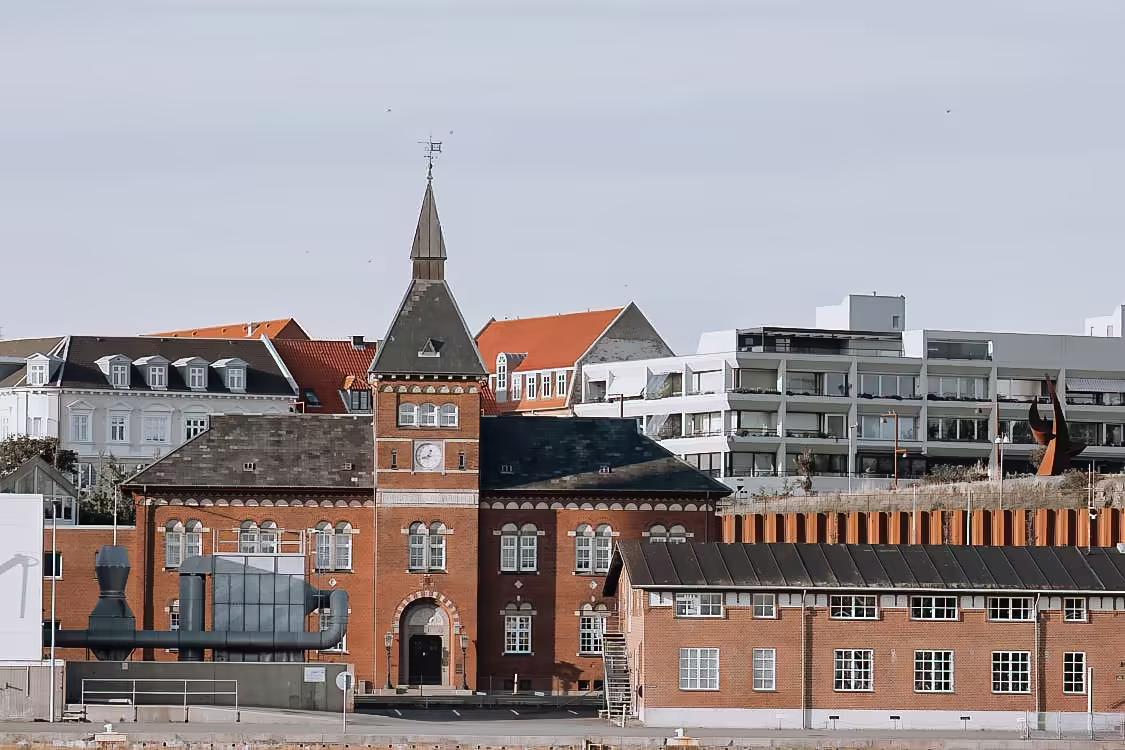
Esbjerg es la mayor ciudad portuaria de Dinamarca, situada en la costa oeste de Jutlandia: una ciudad trabajadora con profundas raíces en la industria pesquera, el petróleo y el gas del Mar del Norte y, cada vez más, en la energía eólica marina. Se ha reinventado como un centro de tecnología verde y energías renovables, atrayendo a ingenieros, técnicos y profesionales del sector energético de toda Europa. La vida aquí es más tranquila y asequible que en las grandes ciudades de Dinamarca, con amplios paisajes costeros y una sólida identidad local. Esbjerg no es un destino típico para expatriados, pero para quienes trabajan en el sector energético o buscan un estilo de vida costero danés a menor coste, ofrece una calidad de vida singular y gratificante.
Esbjerg de un vistazo
- Población
- 72.000 (ciudad) / 115.000 (municipio)
- Región
- Región de Dinamarca del Sur (Syddanmark)
- Conocida por
- El mayor puerto pesquero de Dinamarca, centro de energía eólica marina, escultura 'El hombre se encuentra con el mar'
- Alquiler medio (1 dormitorio)
- DKK 5.500–7.500/mes (centro de la ciudad)
- Salario medio
- DKK 28.000–35.000/mes neto (varía según el sector; el sector energético es más elevado)
- Comunidad de expatriados
- Reducida: concentrada en los sectores energético, marino y de ingeniería
- Moneda
- Corona danesa (DKK)
- Idioma
- Danés (el inglés se habla en el sector energético y en el campus de la SDU)
Por qué mudarse a Esbjerg
- Capital de la energía eólica: Esbjerg es el principal puerto de energía eólica marina del norte de Europa. Siemens Gamesa, Vestas y decenas de empresas de servicios tienen su base aquí, lo que genera una demanda constante de trabajadores internacionales cualificados con salarios competitivos.
- Coste de vida asequible: Los alquileres y los gastos diarios se encuentran entre los más bajos de Dinamarca, lo que la convierte en una excelente opción para quienes desean un estilo de vida danés sin los elevados costes de Copenhague o Aarhus.
- Vida costera: Amplias playas, dunas y el imponente Mar de Frisia (Patrimonio Mundial de la UNESCO) están a las puertas de la ciudad, ideales para los amantes de la naturaleza, los observadores de aves y los aficionados a las actividades al aire libre.
- Conexiones internacionales: El aeropuerto de Billund (a 1 hora por carretera) ofrece vuelos directos a los principales centros europeos. Frederikshavn y Hirtshals, en la costa norte de Dinamarca, ofrecen conexiones en ferry con Noruega y Suecia.
- Comunidad local sólida: Esbjerg tiene una identidad orgullosa e independiente arraigada en la pesca, la navegación y la industria. Los recién llegados que se integran en la vida local encuentran una comunidad acogedora y unida.
Encontrar alojamiento en Esbjerg
El mercado de alquiler de Esbjerg es más relajado en comparación con las grandes ciudades de Dinamarca. Los contratos estándar requieren 3 meses de fianza más 1 mes de alquiler prepagado. Muchas empresas del sector energético ayudan al personal entrante con alojamiento temporal o permanente durante el proceso de traslado.
Alquileres medios
| Barrio | 1 dormitorio | 3 dormitorios | Características |
|---|---|---|---|
| Esbjerg Midtby (Centro) | DKK 5.500–7.500 | DKK 8.500–12.000 | Centro, comercios, cafeterías, espacios culturales |
| Sædding | DKK 5.500–7.500 | DKK 9.000–12.500 | Zona costera, cerca de la playa, mezcla de apartamentos y casas |
| Fovrfeld | DKK 5.000–7.000 | DKK 8.000–11.000 | Orientado a familias, verde, viviendas amplias |
| Kvaglund | DKK 4.500–6.500 | DKK 7.500–10.000 | Asequible, multicultural, cerca de colegios |
| Bryndum | DKK 5.000–7.000 | DKK 8.500–11.500 | Suburbano, tranquilo, adecuado para familias |
| Hjerting | DKK 5.500–7.500 | DKK 9.000–13.000 | Pueblo costero al sur de Esbjerg, puerto, playa, ambiente local |
Cómo encontrar alojamiento
- BoligPortal: la principal plataforma de alquiler de Dinamarca; se requiere suscripción para contactar con el propietario.
- Findbolig.nu: anuncios vinculados a universidades e instituciones.
- Boligforeningen Lejerbo y Domea: asociaciones de vivienda con alquileres asequibles; generalmente tienen listas de espera más cortas que en Copenhague.
- Grupos de Facebook: "Bolig Esbjerg", "Esbjerg Lejlighed" y grupos locales de expatriados publican anuncios privados con regularidad.
- Ayuda del empleador: muchas empresas energéticas y del sector offshore (Siemens Gamesa, ESVAGT, Semco Maritime) ayudan al personal internacional a encontrar alojamiento como parte de los paquetes de reubicación.
- Consejos locales: el mercado es tranquilo; generalmente hay suficiente oferta para evitar guerras de ofertas. Hay muchas opciones tanto en el centro como en los barrios costeros.
Consejos para expatriados
- La fianza estándar es de 3 meses de alquiler más 1 mes pagado por adelantado.
- El puerto y los distritos energéticos se encuentran en el lado oeste de la ciudad; considere Sædding o Midtby si trabaja allí para reducir el tiempo de desplazamiento.
- Los costes de calefacción pueden ser más altos en apartamentos costeros expuestos al viento; compruebe las etiquetas energéticas antes de firmar.
- Hjerting, un pueblo costero justo al sur de Esbjerg, es popular entre las familias expatriadas del sector energético por su puerto, su playa y su ambiente comunitario.
Guía de barrios
- Esbjerg Midtby (centro de la ciudad): el compacto centro alrededor de Skolegade y Kongensgade con tiendas, restaurantes, el Esbjerg Kunstmuseum y el Musikhuset (sala de conciertos). Fácil de recorrer a pie y práctico para la vida cotidiana. Los alquileres son moderados.
- Sædding: un barrio costero al norte del centro con acceso directo a la playa (Sædding Beach) y una mezcla de viviendas antiguas y nuevas. Popular entre familias y quienes buscan un estilo de vida junto al mar.
- Fovrfeld: zona residencial tranquila y verde con casas más grandes, buenos colegios y un ambiente calmado. Una opción preferida por las familias que buscan espacio y seguridad.
- Kvaglund: la zona más asequible de Esbjerg; comunidad diversa, cerca de colegios y bien comunicada en autobús. Ideal para recién llegados con presupuesto ajustado.
- Bryndum: zona suburbana en el extremo este con nuevas urbanizaciones y un entorno tranquilo. Más orientada al coche que los barrios del centro.
- Hjerting: un pequeño pueblo costero justo al sur de Esbjerg con su propio puerto, playa y una sólida comunidad local. Cada vez más popular entre las familias expatriadas del sector de la energía eólica que buscan una base más tranquila.
Coste de vida en Esbjerg
Esbjerg es una de las ciudades más asequibles de Dinamarca. El presupuesto que se muestra a continuación refleja un estilo de vida cómodo para una persona.
Desglose del presupuesto mensual
| Categoría | Rango presupuestario |
|---|---|
| Alquiler (1 hab., centro) | DKK 5.500–7.500 |
| Servicios (calefacción, agua, electricidad) | DKK 800–1.200 |
| Internet | 200–300 DKK |
| Alimentación | DKK 1.900–2.400 |
| Transporte (abono mensual) | 400–500 DKK |
| Comer fuera (4 veces/mes) | DKK 900–1.400 |
| Ocio/Gimnasio | 200–350 DKK |
| Total | DKK 9.900–13.650 |
Gastos del día a día
- Café (latte): DKK 35–45
- Almuerzo (restaurante informal): DKK 70–100
- Abono mensual de transporte: DKK 400–500
- Cerveza (bar): DKK 38–50
- Entrada de cine: DKK 90–115
- Cesta de la compra (pan, leche, huevos, pollo, verduras): DKK 120–160
Moverse por Esbjerg
- En bicicleta: El terreno llano hace que ir en bicicleta sea práctico, aunque el viento costero puede ser un inconveniente, especialmente en invierno. Los carriles bici están disponibles en las rutas principales.
- Transporte público: Los autobuses conectan la ciudad con los pueblos de los alrededores. Un abono mensual cuesta alrededor de DKK 400–500. El servicio es menos frecuente que en ciudades más grandes.
- En coche: Conducir es fácil y se recomienda para explorar la costa, el Mar de Frisia y para desplazarse desde las poblaciones cercanas. El aparcamiento está disponible y es asequible en toda la ciudad. El coche resulta especialmente útil para las familias.
- Aeropuerto: El Aeropuerto de Esbjerg (EBJ) tiene vuelos muy limitados. El Aeropuerto de Billund (BLL), a 1 hora de distancia, ofrece muchas más rutas internacionales. Algunos residentes también utilizan el Aeropuerto de Copenhague tomando un tren con transbordo desde Esbjerg (3,5 h).
- Interurbano: Trenes directos a Odense (1,5 h), Copenhague (3,5 h vía Odense) y Aarhus (2 h). Para viajes internacionales, el Aeropuerto de Billund (1 h) es la opción más cercana con conexiones europeas; el Aeropuerto de Copenhague (3,5 h) ofrece vuelos de larga distancia.
Sanidad en Esbjerg
Dinamarca ofrece sanidad pública financiada con impuestos. Todos los residentes con número CPR reciben atención médica gratuita, que incluye visitas al médico de cabecera, tratamiento hospitalario y derivaciones a especialistas.
- Hospitales/Clínicas: El Sydvestjysk Sygehus (Hospital del Suroeste de Jutlandia) en Esbjerg — un hospital regional con urgencias y servicios especializados, además de instalaciones de investigación.
- Médicos que hablan inglés: Disponibles en los centros de salud municipales y en el hospital. El sector energético atrae a personal internacional, por lo que el inglés es habitual en los entornos sanitarios.
- Farmacias (Apotek): Varias en el centro de la ciudad y en las zonas periféricas.
- Número de emergencias: 112 (ambulancia, bomberos, policía). Para consultas médicas no urgentes, llame al 1813 (Lægevagten).
Recibe un plan de mudanza personalizado
Deja tu email y te enviaremos una checklist a medida y tres presupuestos de empresas verificadas.
Cultura y estilo de vida
La cultura de Esbjerg está marcada por el mar. La pesca, el comercio marítimo y, ahora, la energía offshore definen la identidad de la ciudad. No es una ciudad llamativa, pero tiene un carácter genuino y una escena cultural en crecimiento.
- El hombre se encuentra con el mar (Mennesket ved Havet): La icónica escultura de cuatro figuras blancas sentadas que contemplan el Mar del Norte — el monumento más reconocible de Esbjerg, creada por Svend Wiig Hansen en 1995.
- Esbjerg Kunstmuseum: Un museo de arte moderno con obras de artistas daneses e internacionales, incluida una importante colección de arte del movimiento COBRA.
- Museo de Pesca y Marítimo: Narra la profunda conexión de Esbjerg con el mar, con acuarios que albergan peces del Mar del Norte, exposiciones sobre el Mar de Wadden y muestras sobre la industria pesquera.
- Parque Nacional del Mar de Wadden: Patrimonio Mundial de la UNESCO al sur de Esbjerg — safaris para ver focas, paseos guiados por las marismas y observación de aves. Una de las áreas naturales más importantes de Dinamarca.
- Torre de Agua (Esbjerg Vandtårn): Un hito visible desde muchos puntos de la ciudad, que actualmente acoge exposiciones y ofrece vistas panorámicas.
Gastronomía y restaurantes
- Marisco fresco del Mar del Norte — especialmente platija, bacalao, gambas y arenque — en los restaurantes del puerto.
- El centro de la ciudad cuenta con un número creciente de restaurantes internacionales junto a los tradicionales locales de cocina danesa.
- Torvet (la plaza principal) dispone de terrazas al aire libre en verano.
- Opciones económicas: panaderías, puestos de pescado en el puerto y menús de supermercado en Netto, Rema 1000 y Fakta.
Comunidad de expatriados
- Las empresas del sector energético suelen organizar programas sociales para el personal internacional y sus familias — esta es la principal vía de conexión de los expatriados en Esbjerg.
- Internations Esbjerg y grupos de Facebook para expatriados en Jutlandia Occidental y el sector energético.
- La biblioteca local y los centros comunitarios organizan intercambios de idiomas y grupos de conversación en danés.
- La comunidad de expatriados es más pequeña y centrada en la industria — la mayoría de los recién llegados trabajan en energía, sector offshore o ingeniería.
Mercado laboral en Esbjerg
La economía de Esbjerg está dominada por los sectores energético y marítimo. La ciudad se está posicionando como la capital de la energía verde de Dinamarca, y el mercado laboral refleja este cambio.
- Principales industrias: Energía eólica marina (instalación, mantenimiento y servicio), petróleo y gas (en declive pero aún presente), pesca y sector marítimo, logística y operaciones portuarias, manufactura.
- Principales empleadores: Siemens Gamesa, TotalEnergies (operaciones offshore), ESVAGT (seguridad offshore y buques de apoyo), Semco Maritime, Puerto de Esbjerg, Danish Crown.
- Salarios medios por sector:
| Sector | Neto mensual medio (DKK) |
|---|---|
| Energía / Offshore | 30.000–45.000 |
| Ingeniería / Técnico | 27.000–38.000 |
| Marítimo / Logística | 24.000–32.000 |
| Sanidad | 25.000–33.000 |
| Servicios / Hostelería | 18.000–23.000 |
- Recursos para la búsqueda de empleo: Jobindex.dk, Work in Denmark (workindenmark.dk), Energy Cluster Denmark, LinkedIn, páginas de empleo de las empresas (Siemens Gamesa, ESVAGT).
Educación en Esbjerg
- Colegios internacionales: Esbjerg International School (niveles primario y secundario) — atiende a los hijos de trabajadores internacionales del sector energético.
- Universidades: Universidad del Sur de Dinamarca (campus SDU Esbjerg) — programas de ingeniería, empresa y ciencias. Campus de la Universidad de Aalborg en Esbjerg — ingeniería energética y tecnología offshore.
- Escuelas de idiomas: Lærdansk Esbjerg (cursos de danés gratuitos para titulares de CPR).
Lista de comprobación para mudarse a Esbjerg
- Confirme su permiso de residencia o su condición de ciudadano de la UE/EEE.
- Comience la búsqueda de vivienda en BoligPortal o consulte a su empleador sobre ayuda para la reubicación (habitual en el sector energético).
- Prepare traducciones certificadas de los documentos principales.
- Gestione un seguro médico (EHIC para ciudadanos de la UE; seguro privado en caso contrario).
- Regístrese en Borgerservice para obtener su número CPR.
- Abra una cuenta bancaria danesa (Danske Bank, Nordea o Jyske Bank).
- Consiga una Rejsekort para el transporte público.
- Configure MitID para acceder a los servicios digitales del Gobierno.
- Regístrese con un médico de cabecera a través de sundhed.dk.
- Inscríbase en los cursos gratuitos de danés (Lærdansk).
- Consiga una bicicleta: es muy útil para las gestiones diarias y los desplazamientos por la ciudad.
- Visite la escultura El hombre se encuentra con el mar y explore la costa del Mar de Wadden.
- Configure MobilePay vinculado a su cuenta bancaria danesa.
Cómo llevar sus pertenencias a Dinamarca
Si se traslada desde fuera de la UE, es posible que pueda importar artículos domésticos usados sin pagar aranceles ni IVA, según la normativa de Aduanas danesa:
- Los artículos deben haber sido de su propiedad y estar en uso durante al menos 6 meses.
- Debe haber residido fuera de la UE durante 12 meses consecutivos.
- Las mercancías deben llegar en los 6 meses previos o en los 12 meses posteriores a su mudanza.
En la aduana, presente su lista de inventario, el justificante de residencia en el extranjero y el pasaporte o permiso de residencia. Los artículos nuevos, los vehículos o los bienes de alto valor pueden estar sujetos a un IVA del 25 % y a derechos de importación. Los ciudadanos de la UE que se trasladan dentro de la UE generalmente no tienen que cumplir requisitos aduaneros para sus pertenencias personales.
Aprender danés
El danés no es imprescindible para la vida diaria en Esbjerg, especialmente en el sector energético, pero aprenderlo facilita la integración social y el asentamiento a largo plazo. El Gobierno danés ofrece cursos de idiomas gratuitos a todos los residentes con número CPR.
- Lærdansk Esbjerg: el principal proveedor, con cursos presenciales y en línea para todos los niveles.
- Duolingo y Babbel: una buena opción para aprender lo básico antes de llegar.
- Consejo práctico: muchas empresas del sector energético ofrecen clases de danés en el propio lugar de trabajo para el personal internacional; consulte con el departamento de Recursos Humanos de su empresa.
Cultura danesa y normas sociales
Comprender las normas sociales danesas ayuda a los recién llegados a adaptarse más rápido. Los daneses son amables, pero al principio resultan reservados: establecer vínculos más profundos requiere tiempo.
- Hygge: el famoso concepto danés de la calidez compartida: velas, bebidas calientes y tiempo de calidad con los amigos. No es simplemente una tendencia, sino una parte esencial de la vida social danesa.
- Comunicación directa: los daneses tienden a ser francos y honestos. No es descortesía; es una forma de eficiencia muy valorada. No tome los comentarios directos como algo personal.
- Igualdad: la cultura danesa hace hincapié en las jerarquías horizontales. Los jefes y los empleados suelen relacionarse de igual a igual. Alardear de riqueza o estatus está generalmente mal visto.
- Puntualidad: llegar a tiempo es importante. Llegar tarde sin avisar se considera una falta de respeto.
- Conciliación: la semana laboral estándar es de 37 horas. Salir a tiempo para recoger a los hijos o practicar aficiones es algo normal y respetado.
- El carácter de Jutlandia Occidental: las personas de Esbjerg y de la zona de Jutlandia Occidental en general son conocidas por ser prácticas, con los pies en la tierra y con un fuerte sentido de comunidad. La herencia pesquera y marítima confiere a la ciudad una cultura trabajadora y sin pretensiones.
Qué esperar: clima y estaciones
Esbjerg tiene un clima oceánico muy influenciado por el Mar del Norte. Es más ventosa y lluviosa que las ciudades danesas del interior.
- Invierno (dic.–feb.): temperaturas medias de 0–4 °C. Días cortos (6–7 horas de luz en diciembre). La sensación térmica por el viento es un factor importante: hace más frío de lo que indica el termómetro. La nieve es posible, pero la lluvia y el aguanieve son más frecuentes.
- Primavera (mar.–may.): las temperaturas suben de 4 °C a 13 °C. Los días se alargan. La costa y el Mar de Wadden cobran vida con las aves migratorias.
- Verano (jun.–ago.): media de 16–20 °C. Días largos con más de 17 horas de luz. El tiempo de playa es posible pero impredecible; lleve siempre un cortavientos.
- Otoño (sep.–nov.): las temperaturas descienden de 13 °C a 3 °C. La estación más húmeda y ventosa. Las tormentas pueden ser espectaculares a lo largo de la costa. Ideal para contemplar el mar desde dentro de casa.
Instalarse: consejos para el día a día
- MobilePay: la aplicación de pago dominante en Dinamarca, vinculada a su cuenta bancaria danesa. Se utiliza para todo, desde dividir cuentas hasta pagar en los mercados. Configúrela inmediatamente después de abrir una cuenta bancaria.
- MitID/NemID: Su identidad digital para acceder a los servicios públicos, la banca, las declaraciones de impuestos (SKAT) y la sanidad (sundhed.dk). Imprescindible para la vida cotidiana en Dinamarca.
- Reciclaje: Dinamarca se toma muy en serio la separación de residuos. Todos los edificios disponen de contenedores para residuos generales, residuos orgánicos/alimentarios, plástico, papel, vidrio y metal. Se espera que los residentes clasifiquen correctamente.
- Sistema de depósito (Pant): La mayoría de botellas y latas llevan un depósito (DKK 1–3). Devuélvalas en las máquinas de reciclaje inverso de los supermercados.
- Horas de silencio: La cultura danesa valora la tranquilidad. La mayoría de los edificios imponen silencio después de las 22:00.
- Propinas: No se esperan en Dinamarca — el personal de servicio cobra salarios justos. Redondear la cuenta al alza se agradece, pero no es obligatorio.
- Protección contra el viento: Invierta en una buena chaqueta cortavientos y ropa de abrigo por capas. El viento costero de Esbjerg es incesante, especialmente en otoño e invierno. Los locales se visten de forma práctica.
Guías relacionadas
- [Mudarse a Dinamarca] — guía completa del país
- [Mudarse a Aalborg] — el centro del norte de Dinamarca
- [Mudarse a Odense] — vivir en la isla de Funen
- [Mudarse a Aarhus] — la segunda ciudad de Dinamarca
- [Mudarse a Copenhague] — la capital de Dinamarca
Esbjerg es una ciudad construida junto al mar — ya sea que venga por el sector de la energía eólica o por la amplia costa abierta, ofrece un estilo de vida danés auténtico y asequible.
Desde el Mar de Wadden, declarado Patrimonio de la UNESCO, hasta el floreciente sector eólico marino, Esbjerg es una ciudad con impulso y un espíritu acogedor para los recién llegados.