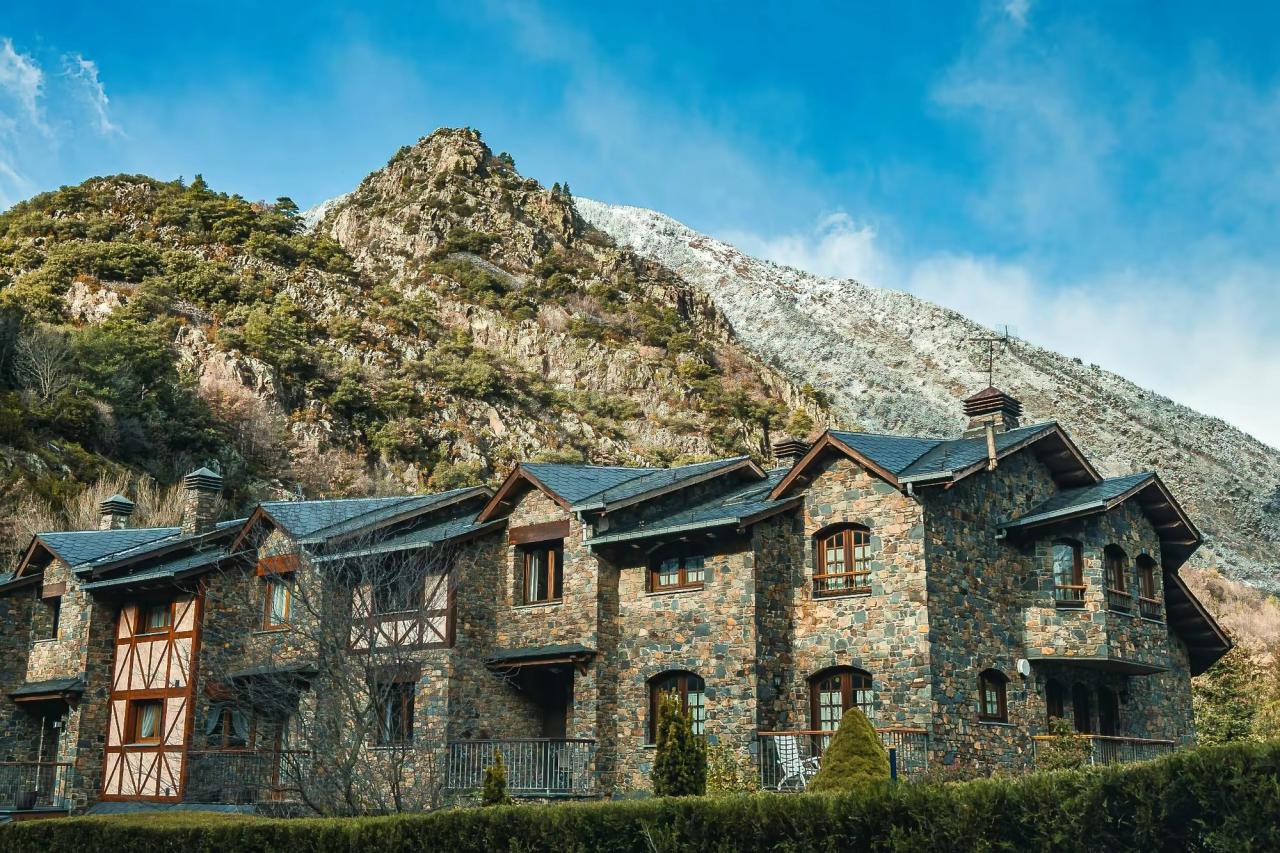

Enclavado en lo alto de los Pirineos, entre Francia y España, Andorra es uno de los países más pequeños y singulares de Europa. Con tan solo 80.000 habitantes repartidos por 468 km², este principado atrae a expatriados por sus impuestos extraordinariamente bajos (un impuesto sobre la renta máximo del 10%), sus estaciones de esquí de primer nivel y una calidad de vida excepcional. Tanto si es un trabajador remoto que busca una base fiscalmente eficiente, un jubilado que desea paisajes de montaña o una familia en busca de uno de los países más seguros del mundo, Andorra tiene mucho que ofrecer. Esta guía cubre todo, desde los permisos de residencia y la sanidad hasta la banca, la vivienda y la vida cotidiana, para que pueda planificar su mudanza con total confianza.
Andorra no es miembro de la Unión Europea, pero es adyacente al espacio Schengen: no existen controles fronterizos estrictos con Francia ni con España, lo que hace que los desplazamientos por los Pirineos sean muy sencillos. El idioma oficial es el catalán, aunque el español, el francés y, cada vez más, el inglés se hablan ampliamente. El euro (€) es la moneda de facto. Continúe leyendo para obtener una visión completa.
Andorra de un vistazo

- Población
- ~80,000
- Capital
- Andorra la Vella
- Moneda
- Euro (€)
- Salario medio
- ~€2.500/mes
- Idioma
- Catalán (oficial); español, francés y portugués ampliamente hablados; inglés en auge
- Clima
- Montaña; veranos cálidos (20–28 °C), inviernos fríos y nevados (−2 a 8 °C)
- Zona horaria
- CET (UTC+1) / CEST (UTC+2, verano)
Por qué mudarse a Andorra en 2026
- Impuestos ultra bajos: El impuesto sobre la renta de las personas físicas tiene un tope del 10%, una de las tasas más bajas de Europa. El impuesto de sociedades también está limitado al 10%.
- Seguridad excepcional: Andorra ocupa sistemáticamente un lugar entre los países más seguros del mundo, con tasas de criminalidad muy bajas.
- Estilo de vida al aire libre: Las estaciones de esquí de Grandvalira y Vallnord, el senderismo, el ciclismo de montaña y la escalada están a la vuelta de la esquina.
- Coste de vida asequible: A pesar de su reputación como paraíso fiscal, los gastos cotidianos son moderados en comparación con la vecina Francia y España.
- Ubicación estratégica: Acceso sin fronteras a Francia y España; los aeropuertos de Barcelona y Toulouse están a unas tres horas en coche.
- Compras libres de impuestos: Andorra no tiene IVA, por lo que los compradores disfrutan de importantes ahorros en electrónica, alcohol, tabaco y artículos de lujo.
- Servicios públicos de alta calidad: Excelente infraestructura, entorno limpio y un sistema sanitario bien financiado a través de la CASS.
- Opciones de residencia favorables: Múltiples vías, incluidas la Residència Activa (residencia activa, para quienes invierten o trabajan) y la Residència Passiva (residencia pasiva, para quienes no trabajan localmente).
Costes de mudanza a Andorra
Comprender los aspectos financieros de su mudanza es fundamental para una planificación adecuada. Andorra no tiene aeropuerto, por lo que la mayoría de los envíos llegan por carretera desde Francia o España. Los costes varían según el tamaño del envío, el origen y si utiliza un contenedor exclusivo o compartido.
| Método de envío | Tiempo de tránsito | Coste estimado (€) |
|---|---|---|
| Contenedor de 20 pies (carga compartida) | 2–4 semanas | €1.200–€2.800 |
| Contenedor de 40 pies (exclusivo) | 2–4 semanas | €2.400–€4.800 |
| Flete aéreo (por kg) | 3–7 días | €4–€8 |
| Gestión aduanera / tasas administrativas | — | €150–€500 |
| Importación de vehículo (transporte por carretera) | 1–3 semanas | €800–€2.500 |
Consejos para ahorrar
- Reserve un contenedor compartido (groupage) si tiene menos de 15 m³ de pertenencias.
- Envíe durante las temporadas de menor demanda (septiembre–noviembre) para obtener tarifas más bajas.
- Deshágase de lo innecesario antes de la mudanza: menos volumen significa menores costes.
- Solicite al menos tres presupuestos a empresas de mudanzas con experiencia en traslados a Andorra.
Caso real: «Me trasladé a Andorra la Vella desde Londres con aproximadamente 12 metros cúbicos de pertenencias mediante un contenedor compartido desde Toulouse. El coste total, incluidos los trámites aduaneros y la entrega puerta a puerta, fue de unos €2.300. El tránsito tardó unas tres semanas. La empresa de mudanzas coordinó todo: solo tuve que mostrar mi pasaporte en la aduana.» – James T., se mudó en enero de 2026
¿Necesita un presupuesto personalizado?
Obtenga tres presupuestos de empresas de mudanzas verificadas en menos de 48 horas.
Requisitos de visado y residencia
Andorra no es miembro de la UE y no tiene un acuerdo de libre circulación con la UE. Sin embargo, sus fronteras abiertas con Francia y España (adyacente al espacio Schengen) hacen que las estancias cortas de hasta 90 días sean sencillas para la mayoría de las nacionalidades. La residencia a largo plazo requiere un permiso de residencia andorrano específico.
Estancias de corta duración (hasta 90 días)
Los ciudadanos de países de la UE/EEE, Estados Unidos, Canadá, Australia y muchas otras naciones pueden visitar Andorra hasta 90 días sin visado. Dado que Andorra no tiene aeropuerto, se accede a través de Francia o España (zona Schengen). La autorización de 90 días se contabiliza dentro del marco Schengen más amplio.
Residencia a largo plazo: Categorías principales
1. Residència Activa (Residencia activa)
- Para quién es: Personas que trabajarán, dirigirán un negocio o invertirán en Andorra.
- Requisitos: Constituir una empresa andorrana con más del 34% de titularidad, ocupar un cargo directivo, cotizar a la seguridad social CASS y realizar un pago no reembolsable de €50.000 al Estado (modificado por la Ley Ómnibus 2, 2026 – anteriormente un depósito reembolsable en la AFA). Es obligatorio residir al menos 183 días al año en el país.
- Derechos laborales: Se permite trabajar por cuenta propia o ajena en Andorra.
- Tiempo de tramitación: 2–4 meses.
- Duración: Válida por dos años, renovable. Tras 20 años de residencia continuada se puede solicitar la residencia permanente.
2. Residència Passiva (Residencia pasiva / No lucrativa)
- Para quién es: Jubilados, inversores o personas con ingresos propios que no planean trabajar en Andorra.
- Requisitos: Inversión mínima de €1.000.000 en activos andorranos (€800.000 por vivienda para inmuebles; €400.000 si se invierte en el Fondo de Vivienda / Fons d'Habitatge). Pago no reembolsable de €50.000 al Estado (más €12.000 por dependiente según la Ley Ómnibus 2, 2026). Demostrar ingresos equivalentes al 300% del salario mínimo anual (~€46.554 en 2026), más el 100% por dependiente. Adquirir o alquilar una propiedad en Andorra. Disponer de seguro médico privado. Estancia mínima: 90 días al año.
- Derechos laborales: No está permitido trabajar en Andorra.
- Tiempo de tramitación: 2–4 meses.
- Duración: Renovable anualmente.
3. Residencia para profesionales con proyección internacional
- Para quién es: Deportistas, artistas, investigadores y otros profesionales de renombre internacional.
- Requisitos: Perfil internacional acreditado; residir al menos 183 días al año en Andorra.
- Derechos laborales: Limitados a su actividad profesional específica.
Documentos necesarios para las solicitudes de residencia
- Pasaporte válido (con una validez mínima de seis meses)
- Certificado de antecedentes penales de su país de origen (apostillado)
- Justificante de alojamiento en Andorra (contrato de alquiler o escritura de propiedad)
- Justificante de medios económicos (extractos bancarios, prueba de inversión)
- Seguro médico válido en Andorra
- Formularios de solicitud cumplimentados del Servei d'Immigració (Servicio de Inmigración)
El proceso de residencia (paso a paso)
-
Reúna y apostille todos los documentos necesarios en su país de origen.
-
Presente su solicitud ante el Servei d'Immigració en Andorra la Vella.
-
Reciba la aprobación condicional y complete el pago o la inversión requeridos (pago no reembolsable de 50.000 € para residencia activa; inversión de 1.000.000 € para residencia pasiva).
-
Obtenga su NRT (número de identificación fiscal) en la Agència Tributària d'Andorra.
-
Regístrese en la CASS (Caixa Andorrana de Seguretat Social) para obtener cobertura sanitaria.
-
Reciba su tarjeta de residencia.
Registro: Empadronament y NRT
Empadronament (Registro Municipal)
Una vez que disponga de alojamiento, deberá registrarse en su parroquia (comú). Este trámite se denomina empadronament: el padrón municipal de habitantes. Es obligatorio para acceder a la sanidad, escolarizar a los hijos y obtener diversos servicios administrativos.
Documentos necesarios:
- Pasaporte o documento nacional de identidad
- Permiso de residencia (o carta de aprobación condicional)
- Contrato de alquiler o escritura de propiedad
- Formulario de registro cumplimentado de la oficina parroquial
Obtención del NRT (Número de Registre Tributari)
El NRT es el número de identificación fiscal de Andorra. Todo residente que trabaje, perciba ingresos o abra una cuenta bancaria necesita uno. Lo expide la Agència Tributària d'Andorra (Servicio Tributario de Andorra).
- Cuándo solicitarlo: En cuanto reciba su permiso de residencia, o al mismo tiempo que su solicitud de residencia.
- Documentos necesarios: Pasaporte, permiso de residencia, formulario de solicitud cumplimentado.
- Tiempo de tramitación: Generalmente se emite en un plazo de 1 a 2 semanas.
- Por qué lo necesita: Los contratos de trabajo, las cuentas bancarias, las declaraciones fiscales y las compras de inmuebles requieren un NRT.
Cómo encontrar alojamiento en Andorra
El mercado inmobiliario de Andorra es reducido pero competitivo, especialmente en las parroquias más populares. La mayoría de los recién llegados alquilan inicialmente antes de decidir si compran. El mercado de alquiler favorece los pisos amueblados, aunque también existen opciones sin amueblar. Las protecciones para los inquilinos son sólidas: los contratos suelen ser de 12 meses con plazos de preaviso claros.
Alquileres medios por parroquia (2026)
| Parroquia | 1 dormitorio (€/mes) | 3 dormitorios (€/mes) | Competitividad del mercado |
|---|---|---|---|
| Andorra la Vella | €800–€1.200 | €1.400–€2.200 | Alto |
| Escaldes-Engordany | €850–€1.250 | €1.500–€2.400 | Alto |
| Encamp | €700–€1.000 | €1.200–€1.800 | Moderado |
| La Massana | €650–€950 | €1.100–€1.700 | Moderado |
| Ordino | €600–€900 | €1.000–€1.600 | Moderado |
| Sant Julià de Lòria | €550–€850 | €900–€1.500 | Menor |
| Canillo | €550–€800 | €900–€1.400 | Menor |
Terminología local de alquiler
- Lloguer (Alquiler): El importe mensual base del alquiler.
- Fiança (Depósito): Depósito de garantía, generalmente equivalente a 1–3 meses de alquiler, que retiene el arrendador.
- Despeses comunes (Gastos de comunidad): Gastos compartidos de mantenimiento del edificio, a veces incluidos en el alquiler.
- Lloguer amb mobles / sense mobles: Alquiler amueblado / sin amueblar.
Cómo encontrar alojamiento
Plataformas en línea:
- Immobiliària: Agencias inmobiliarias locales andorranas (búsquelas en línea o visite las oficinas en Andorra la Vella).
- Fotocasa / Idealista: Plataformas españolas que también publican propiedades en Andorra.
- Grupos locales de Facebook: «Andorra Expats» y grupos similares publican alquileres con frecuencia.
Recursos locales:
- Recorra la parroquia que le interese: muchos alquileres se anuncian mediante carteles en los escaparates de las agencias locales.
- Consulte en la oficina parroquial (comú) para obtener orientación sobre la vivienda disponible.
Consejos para extranjeros que buscan alojamiento
- Comience su búsqueda al menos un mes antes de la fecha prevista para su mudanza.
- Tenga sus documentos listos (pasaporte, NRT, justificante de ingresos): los propietarios suelen actuar con rapidez.
- Esté preparado para pagar por adelantado el primer mes de alquiler más la fianza.
- Considere alojamiento temporal (Airbnb, apartamentos con servicios) durante las primeras semanas mientras busca.
- Negocie, especialmente en contratos más largos de 2 o más años.
Contrato de arrendamiento y protección legal
- Los contratos de arrendamiento suelen ser de 12 meses y son renovables.
- Los propietarios deben notificar con al menos dos meses de antelación en caso de no renovación.
- Los inquilinos pueden rescindir el contrato con un mes de preaviso tras el primer año.
- La fianza debe devolverse en el plazo de un mes tras la finalización del contrato, descontando los daños debidamente documentados.
Advertencia: estafas en alquileres
- Nunca transfiera dinero sin haber visitado el inmueble en persona.
- Desconfíe de los propietarios que afirman estar en el extranjero y no pueden mostrar el apartamento.
- Utilice agencias establecidas o plataformas verificadas.
- Confirme la titularidad del propietario a través del Comú (oficina parroquial).
Sanidad y seguros
El sistema sanitario de Andorra es excelente según los estándares europeos. Se financia a través de la CASS (Caixa Andorrana de Seguretat Social), el organismo nacional de seguridad social. La cobertura es obligatoria para todos los residentes, y las cotizaciones se deducen de los salarios.
Cobertura sanitaria de la CASS
- Atención ambulatoria (CAPs): la CASS cubre el 75% de los costes; el paciente paga el 25%
- Hospitalización: la CASS cubre el 90% de los costes; el paciente paga el 10%
- Cotización del trabajador: 6,5% del salario bruto
- Cotización del empleador: 15,5% del salario bruto
- Autónomos: 22% en total (10% rama general + 12% jubilación)
- Requisitos: todos los residentes con permiso de residencia vigente deben inscribirse en la CASS
- Ideal para: cobertura sanitaria pública integral para todos los residentes
Seguro médico privado
- Coste: entre 80 y 250 EUR/mes según la edad, el nivel de cobertura y el proveedor.
- Cobertura: dental, óptica, habitaciones privadas en hospitales, cobertura internacional y tiempos de espera más cortos.
- Requisitos: disponible para todos los residentes; se utiliza habitualmente para complementar los copagos de la SAAS o cubrir servicios no incluidos en el sistema público.
- Ideal para: expatriados que deseen cobertura internacional o evitar copagos de su bolsillo.
Principales proveedores de seguros (complementarios)
- SAAS: el proveedor de sanidad pública obligatoria — ninguna alternativa privada lo reemplaza.
- Andorra Segurs: agente local que ofrece seguros de salud complementarios y de viaje.
- Admedic: ofrece planes de salud complementarios e internacionales.
- Proveedores internacionales (Cigna, Allianz): ofrecen planes de salud globales válidos en Andorra, útiles para quienes viajan con frecuencia.
Cómo obtener cobertura sanitaria (plazos)
-
Obtenga su permiso de residencia.
-
Regístrese en su parroquia (empadronament).
-
Regístrese en la CASS en la oficina de la CASS en Andorra la Vella (lleve el pasaporte, el NRT y el permiso de residencia).
-
Recibirá su tarjeta de la CASS en un plazo de 2 a 4 semanas.
-
Elija un médico de cabecera de la red de la CASS.
Costes a cargo del paciente (sin seguro complementario)
- Consulta al médico de cabecera: entre 5 y 15 EUR (tras el reembolso de la CASS)
- Consulta al especialista: entre 15 y 40 EUR
- Medicamentos: copago del 15 al 40% según el medicamento
- Dental (básico): generalmente no cubierto por la CASS — entre 50 y 150 EUR por visita
Obtenga un plan de reubicación personalizado
Déjenos su correo electrónico y le enviaremos una lista de verificación personalizada junto con tres presupuestos de empresas de mudanzas verificadas.
Banca y finanzas
Andorra cuenta con un sector bancario bien desarrollado y una larga tradición en servicios financieros. A pesar de problemas reputacionales pasados, los bancos andorranos cumplen ahora plenamente con los estándares internacionales de transparencia (CRS/AEOI).
Apertura de una cuenta bancaria
- Cuándo: en cuanto disponga de su permiso de residencia y del NRT.
- Documentos necesarios: pasaporte, NRT, prueba de residencia (contrato de alquiler o factura de suministros), prueba de ingresos o empleo.
- Principales bancos para expatriados:
- Andbank: uno de los bancos más antiguos, con gran solidez en banca privada y gestión patrimonial. Cuenta con personal de habla inglesa.
- MoraBanc: banco de servicio completo con banca digital moderna, comisiones competitivas y buen soporte para expatriados.
- Creand (antes Crèdit Andorrà): el banco más grande de Andorra, que ofrece banca minorista, hipotecas, seguros y productos de inversión.
- Tipos de cuentas: se ofrecen cuentas corrientes, cuentas de ahorro, depósitos a plazo y cuentas de inversión.
- Comisiones mensuales: entre 0 y 10 EUR según el banco y el tipo de cuenta.
- Tarjeta de débito: se emite gratuitamente o por una pequeña cuota anual; ampliamente aceptada en Andorra y en el extranjero.
- Transferencias internacionales: entre 5 y 25 EUR por transferencia según el importe y el destino; las transferencias SEPA dentro de la UE son más económicas.
Cultura de pago
- El efectivo sigue siendo muy utilizado en las tiendas más pequeñas y en los mercados.
- Los pagos sin contacto y con tarjeta son cada vez más habituales en supermercados, restaurantes y grandes establecimientos.
- Las aplicaciones de pago móvil (Apple Pay, Google Pay) son compatibles con la mayoría de los principales bancos.
- Andorra está fuera de SEPA, pero las transferencias hacia y desde España y Francia son sencillas.
Sistema tributario en Andorra
El sistema tributario de Andorra es uno de los más atractivos de Europa. El principado no introdujo el impuesto sobre la renta de las personas físicas hasta 2015, y los tipos impositivos siguen siendo extremadamente bajos.
Tipos impositivos principales (2026)
| Tipo de impuesto | Tipo |
|---|---|
| Impuesto sobre la renta de las personas físicas | Hasta el 10% |
| Impuesto sobre sociedades | 10% |
| Impuesto sobre las ganancias de capital | 0% (sobre activos mantenidos más de 10 años); 10% en los demás casos |
| IVA / IGI (Impuesto General Indirecto) | 4,5% |
| Impuesto sobre sucesiones y donaciones | 0% |
| Impuesto sobre el patrimonio | Ninguno |
Residencia Fiscal
Se le considera residente fiscal andorrano si pasa más de 183 días al año en el país o si sus principales intereses económicos se encuentran en Andorra. Los residentes fiscales tributan por sus ingresos mundiales. Los no residentes tributan únicamente por los ingresos de fuente andorrana.
Convenios para Evitar la Doble Imposición
Andorra ha suscrito convenios de doble imposición con alrededor de 20 países, entre ellos Francia, España, Portugal, Luxemburgo, los Emiratos Árabes Unidos, Liechtenstein, Malta, Chipre y otros. Estos acuerdos garantizan que no tribute dos veces por los mismos ingresos. Consulte el sitio web del Govern d'Andorra para obtener la lista actualizada de países con convenio.
Coste de Vida en Andorra
Desglose del Presupuesto Mensual
| Categoría | Persona sola (€/mes) | Familia de 3 (€/mes) |
|---|---|---|
| Alquiler (1 habitación / 3 habitaciones) | €750–€1.100 | €1.300–€2.200 |
| Suministros (electricidad, agua, calefacción) | €100–€180 | €150–€250 |
| Internet / TV | €40–€60 | €40–€60 |
| Alimentación | €250–€350 | €500–€700 |
| Transporte público | €35 (abono de autobús) | €70–€100 |
| Seguro médico (cotización CASS) | Incluido en el salario | Incluido en el salario |
| Comer fuera (informal) | €12–€20 por comida | €40–€60 (comida familiar) |
| Cuota de gimnasio | €30–€60 | €30–€60 por persona |
| Estimación total | €1.200–€1.800 | €2.100–€3.300 |
Comparación con los Países Vecinos
- vs Barcelona, España: Aproximadamente un 5–10% más barato en gastos diarios; el alquiler es comparable, pero los impuestos son mucho más bajos.
- vs Toulouse, Francia: Coste de vida similar, pero las ventajas fiscales de Andorra marcan una diferencia significativa para quienes tienen ingresos más elevados.
- vs Londres, Reino Unido: Andorra es entre un 30–40% más barata en la mayoría de las categorías.
Idioma y Cultura
¿Necesita Aprender Catalán?
El catalán es el idioma oficial y la lengua del gobierno, las escuelas y la señalización pública. Sin embargo, el español es casi universalmente hablado debido al gran número de residentes y trabajadores españoles. El francés es habitual en las parroquias del norte. El inglés está ganando terreno, especialmente entre los residentes más jóvenes y en los sectores del turismo y las finanzas, aunque todavía no está muy extendido en las oficinas gubernamentales ni entre los residentes de mayor edad. Aprender al menos catalán o español básico facilitará considerablemente la vida cotidiana.
Frases Útiles en Catalán
| Inglés | Catalán |
|---|---|
| Hola | Hola |
| Gracias | Gràcies |
| Por favor | Si us plau |
| Sí / No | Sí / No |
| ¿Habla inglés? | Parla anglès? |
| Adiós | Adéu |
Normas Culturales y Etiqueta
Saludos:
- El apretón de manos es lo habitual en entornos formales. Los amigos íntimos se saludan con dos besos en la mejilla (primero el izquierdo, luego el derecho).
- Utilice "Senyor" / "Senyora" (Sr. / Sra.) hasta que le inviten a usar el nombre de pila.
Comidas y vida social:
- El almuerzo es la comida principal (13:00–14:30). La cena es más ligera y se sirve más tarde (20:00–21:00).
- Cuando le invitan a casa de alguien, es habitual llevar vino o postre.
- Las propinas no son obligatorias, pero se agradece redondear la cuenta o dejar entre un 5–10%.
Cultura al aire libre:
- Los andorranos son apasionados de la vida al aire libre. Esquí en invierno, senderismo y ciclismo de montaña en verano € unirse a grupos de actividades al aire libre es una de las mejores maneras de integrarse socialmente.
Integración Social
- Comunidades de expatriados: grupos de Facebook como "Andorra Expats" y "Expats in Andorra" son activos y acogedores.
- Clubes deportivos: los clubes de esquí, grupos de senderismo, equipos de ciclismo y asociaciones de escalada son muy populares.
- Intercambios de idiomas: en los cafés de Andorra la Vella se celebran intercambios lingüísticos informales de catalán/español-inglés.
- Eventos parroquiales: cada parroquia celebra festivales locales (festa major) en verano con conciertos, danzas tradicionales y cenas comunitarias.
Normas de Aduana e Importación
Los enseres domésticos usados y los efectos personales pueden importarse generalmente libres de aranceles si han sido de su propiedad y uso durante al menos seis meses y están destinados exclusivamente a uso personal. Presente una declaración aduanera con un inventario detallado, pasaporte y prueba de residencia en la frontera. Los bienes nuevos o comerciales, la electrónica de alto valor y los artículos restringidos (armas de fuego, medicamentos específicos, sustancias controladas) pueden estar sujetos a aranceles o requerir permisos de importación. El IGI (Impuesto General Indirecto) de Andorra es solo del 4,5%.
Caso real: «Cuando me mudé de Madrid a Escaldes-Engordany, llené una furgoneta con muebles, ropa y electrónica. Preparé un inventario detallado en español y catalán y lo presenté en la frontera junto con mi permiso de residencia. Como todos los artículos llevaban más de un año en uso, no pagué ningún arancel. Todo el proceso duró unos 30 minutos.» — Carlos G., se mudó en marzo de 2026
Traslado de mascotas
Para traer mascotas a Andorra es necesario cumplir con la normativa sanitaria animal de la UE. Los perros, gatos y hurones deben llevar microchip, estar vacunados contra la rabia y ir acompañados de un pasaporte europeo para animales de compañía o un certificado sanitario veterinario oficial. Las mascotas procedentes de países no pertenecientes a la UE pueden requerir una prueba de anticuerpos antirrábicos y posiblemente cuarentena. No existen prohibiciones por razas específicas, aunque en espacios públicos se aplican normas de correa y bozal. Hay clínicas veterinarias disponibles en todas las parroquias principales.
Conducción e importación de vehículos
Importación de un vehículo
Los vehículos introducidos en Andorra deben superar una inspección técnica en el Servei de Trànsit (Servicio de Tráfico andorrano). Los requisitos incluyen documentos de matriculación en vigor, justificante de propiedad, certificados de conformidad técnica y prueba de emisiones. Los coches procedentes de fuera de la UE pueden estar sujetos a derechos de aduana.
Permisos de conducción
- Los permisos de conducción de la UE/EEE son válidos durante los primeros 90 días tras establecer la residencia.
- Transcurridos 90 días, debe canjear su permiso por un permiso de conducción andorrano (Permís de conduir) en el Servei de Trànsit. Por lo general, los titulares de permisos de la UE no necesitan realizar ningún examen.
- Los titulares de permisos de conducción no pertenecientes a la UE podrían tener que superar un examen teórico y/o práctico, según el país emisor.
- Se conduce por la derecha. Las cadenas o neumáticos de invierno son obligatorios por ley desde noviembre hasta abril en muchas carreteras de montaña.
- La gasolina es significativamente más barata que en Francia o España gracias al régimen libre de impuestos.
Educación
Andorra ofrece tres sistemas de enseñanza pública: el currículo andorrano (impartido en catalán, gratuito para los residentes), el currículo español (Colegio Español) y el currículo francés (École Française). Las opciones privadas e internacionales son limitadas debido al tamaño del país. En cuanto a la educación superior, la Universitat d'Andorra (UdA) ofrece programas de grado y posgrado, aunque muchos estudiantes se desplazan a universidades de Barcelona o Toulouse.
Lista de verificación para la mudanza
- Investigar los requisitos de residencia y empezar a reunir la documentación
- Obtener el certificado de antecedentes penales con apostilla
- Solicitar presupuestos a empresas de mudanzas internacionales con experiencia en Andorra
- Si va a traer una mascota, iniciar el proceso de vacunación antirrábica e implantación de microchip
- Investigar las parroquias y las opciones de vivienda
- Contratar la empresa de mudanzas y confirmar las fechas de envío
- Organizar alojamiento temporal para las primeras semanas
- Iniciar el proceso de solicitud de residencia (Servei d'Immigració)
- Si va a importar un vehículo, preparar la documentación y reservar la inspección técnica
- Confirmar la fecha de mudanza y la logística del transporte
- Cancelar o redirigir suscripciones y membresías
- Contratar un seguro médico de viaje para el período de llegada
- Preparar un inventario detallado de los objetos que se van a enviar
- Preparar lo esencial y los documentos para llevar a mano
- Confirmar los detalles de llegada con la empresa de mudanzas
- Retirar euros en efectivo para los gastos inmediatos
- Cruzar la frontera (desde Francia o España) con sus pertenencias
- Presentar la declaración aduanera y el inventario en la frontera
- Instalarse en el alojamiento y configurar los servicios básicos
- Completar el empadronament (registro parroquial)
- Solicitar u obtener el NRT (número de registro tributario)
- Inscribirse en la CASS (Caixa Andorrana de Seguretat Social)
- Abrir una cuenta bancaria (Andbank, MoraBanc o Creand)
- Si procede, canjear el permiso de conducción en el Servei de Trànsit
- Elegir un médico de cabecera de la red de la CASS
- Inscribir a los hijos en un colegio si procede
- Explorar la parroquia y localizar tiendas, restaurantes y transporte locales
- Unirse a un grupo de expatriados o a un club deportivo para ampliar la red social
Dónde encontrar herramientas y recursos
Herramientas de ReloAdvisor:
- Calculadora de volumen
- Encuesta por vídeo
- Calculadora del coste de mudanza
Recursos oficiales de Andorra:
- Govern d'Andorra (Inmigración/Residencia): https://www.govern.ad/ca/tematiques/immigracio
- Agència Tributària d'Andorra (Servicio de Impuestos): https://www.govern.ad/ca/tematiques/impostos-taxes-i-duana
- CASS (Seguridad Social): https://www.cass.ad
- Govern d'Andorra (Portal del Gobierno): https://www.govern.ad
Comunidades de expatriados:
- Facebook: grupo "Andorra Expats"
- Facebook: grupo "Expats in Andorra"
- Comunidad de InterNations en Andorra: https://www.internations.org
Guías relacionadas:
- Mudarse a España
- Mudarse a Francia
- Mudarse a Portugal