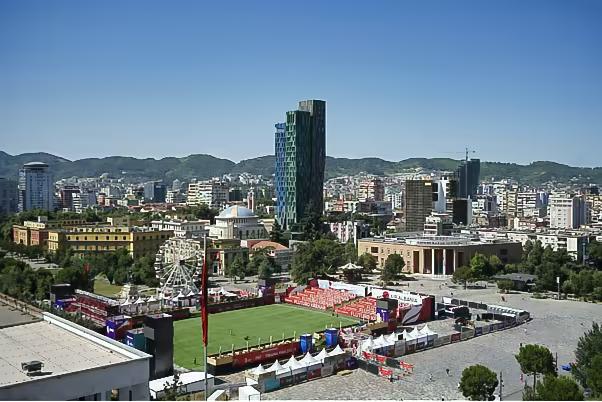
Tirana es la enérgica capital de Albania, una ciudad de edificios coloridos, cafés al aire libre y una población notablemente joven. Durante mucho tiempo cerrada al mundo, Tirana se ha reinventado en las últimas dos décadas hasta convertirse en una de las capitales más asequibles y de mayor crecimiento de Europa. Los expatriados se sienten atraídos por el bajo coste de vida, una incipiente escena de startups y el animado barrio de Blloku, que bulle de restaurantes, espacios de coworking y vida nocturna hasta bien pasada la medianoche. Si busca una base europea aventurera y económica con un ambiente acogedor, Tirana merece una consideración seria.
Tirana de un vistazo
- Población
- ~543.000 (ciudad), ~600.000+ (área metropolitana)
- Región
- Albania central, condado de Tirana
- Conocida por
- Plaza Skanderbeg, arquitectura colorida, vida nocturna de Blloku
- Alquiler medio (1 dormitorio)
- 45.000–70.000 ALL/mes
- Salario medio
- ~72.000 ALL/mes (neto)
- Comunidad expatriada
- En crecimiento; nómadas digitales, trabajadores remotos, emprendedores
Por qué mudarse a Tirana
- Extremadamente asequible: Tirana es una de las capitales más baratas de Europa; la alimentación, comer fuera, el alquiler y el transporte cuestan una fracción de lo que pagaría en Europa Occidental.
- Población joven y dinámica: más del 40 % de los residentes tiene menos de 35 años, lo que dota a la ciudad de una energía y una apertura inconfundibles hacia los recién llegados.
- Escena startup en crecimiento: los encuentros tecnológicos, los espacios de coworking y el impulso del gobierno por la innovación digital están creando oportunidades reales para emprendedores y trabajadores remotos.
- Ubicación central en el Mediterráneo: Tirana está a fácil alcance de playas, montañas y otras capitales balcánicas, con vuelos económicos que la conectan con gran parte de Europa.
- Cultura acogedora: los albaneses son famosos por su hospitalidad, y el inglés se habla cada vez más en el ámbito empresarial y entre los residentes más jóvenes.
- Moneda: lek albanés (ALL). Los cajeros automáticos están muy extendidos y la mayoría de los negocios aceptan tarjetas. Sin embargo, los pequeños comerciantes, los puestos de mercado y algunos restaurantes solo aceptan efectivo, así que conviene llevar siempre lek. Las casas de cambio son habituales en el centro y suelen ofrecer tipos justos.
- Clima suave todo el año: los inviernos son frescos pero rara vez duros, y los veranos son cálidos y secos, ideales para la vida al aire libre.
Buscar vivienda en Tirana
Alquileres medios
| Barrio | 1 dormitorio | 3 dormitorios | Carácter |
|---|---|---|---|
| Blloku | 50.000–75.000 ALL | 80.000–120.000 ALL | Moderno, céntrico, epicentro de la vida nocturna |
| Pazari i Ri (Nuevo bazar) | 40.000–60.000 ALL | 65.000–95.000 ALL | Histórico, mercados, puntos de interés cultural |
| Lapraka | 30.000–45.000 ALL | 50.000–70.000 ALL | Moderno, parques, buen transporte |
| Kombinat | 30.000–45.000 ALL | 40.000–60.000 ALL | Económico, residencial |
| Yzberisht | 35.000–48.000 ALL | 45.000–65.000 ALL | Tranquilo, suburbano, familiar |
| Don Bosko | 32.000–48.000 ALL | 50.000–75.000 ALL | Edificios modernos, zona en desarrollo |
Cómo buscar vivienda
- Gjirafa.com: El portal de anuncios clasificados líder en Albania, el lugar más popular donde locales y expatriados buscan alquileres.
- Grupos de Facebook: Los grupos «Tirana Apartments for Rent» y «Expats in Tirana» publican a diario anuncios de propietarios.
- Boca a boca: Muchas oportunidades se consiguen a través de contactos personales. Avise a sus amigos, colegas y dueños de cafés que está buscando.
- Recorra el barrio: Algunos propietarios colocan carteles en las ventanas en lugar de anunciar por internet. Pasear por la zona deseada puede revelar oportunidades ocultas.
- Agentes locales: Los agentes inmobiliarios cobran una comisión (normalmente el equivalente a un mes de alquiler), pero pueden ahorrarle tiempo si acaba de llegar a la ciudad y desconoce las prácticas de alquiler en Albania. Algunos agentes se especializan en atender a expatriados.
- Portales inmobiliarios online: Además de Gjirafa, consulte MerrJep.al y Facebook Marketplace para encontrar más ofertas de pisos.
Consejos para expatriados
- Prevea una fianza: Los propietarios suelen pedir de 1 a 3 meses de alquiler por adelantado además del primer mes.
- Negocie: Sobre todo en contratos largos, suele haber margen de negociación, especialmente fuera de la zona de Blloku.
- Revise los servicios: Confirme si la electricidad, el agua e internet están incluidos; por lo general se facturan por separado.
- Inspeccione con detenimiento: Los edificios más antiguos pueden tener calefacción o fontanería deficiente. Visite el inmueble a distintas horas del día y pregunte por la fiabilidad del suministro de agua y luz. Consulte a los vecinos sobre su experiencia.
- Ponga todo por escrito: Aunque los acuerdos verbales son habituales, un contrato de arrendamiento por escrito protege a ambas partes y es obligatorio para el registro de residencia. Un contrato de alquiler estándar en Albania incluye el importe del alquiler, la fianza, la duración y el preaviso.
Guía de barrios
- Blloku: El corazón de la vida social de Tirana, lleno de cafés, restaurantes, boutiques y discotecas. Ideal para jóvenes profesionales y personas muy sociables. Los alquileres son los más caros de la ciudad, pero siguen siendo asequibles según los estándares europeos. A poca distancia a pie de la plaza Skanderbeg.
- Pazari i Ri (Nuevo Bazar): Una zona céntrica y animada que rodea el mercado histórico. Excelente para amantes de la gastronomía, la cultura y quienes deseen estar a un paso de la plaza Skanderbeg. El mercado de productos frescos es un atractivo diario. Los alquileres son de gama media.
- Lapraka: Un barrio más tranquilo y moderno, con bloques de pisos nuevos, zonas verdes y buenas conexiones de autobús. Popular entre familias y expatriados que prefieren una base más sosegada cerca del centro. Cada vez hay más supermercados y restaurantes.
- Kombinat: Una amplia zona residencial al suroeste del centro con los alquileres más económicos de la ciudad. Adecuado para expatriados con presupuesto ajustado y para quienes no les importe un trayecto más largo. Los servicios locales son buenos y la zona tiene un auténtico ambiente de barrio.
- Yzberisht: Un suburbio al suroeste con un número creciente de supermercados, parques y pisos de nueva construcción. Familiar y tranquilo, con alquileres muy por debajo de la media de la ciudad. El Grand Park está cerca.
- Don Bosko: En rápido desarrollo, con complejos de pisos modernos y servicios en expansión. Atrae a expatriados con presupuesto medio que buscan construcción más reciente sin los precios de Blloku. Bien comunicado en autobús con el centro.
Coste de vida en Tirana
Desglose del presupuesto mensual
| Categoría | Rango de presupuesto |
|---|---|
| Alquiler (1 dormitorio, centro) | 57.000–70.000 ALL |
| Servicios (electricidad, agua, calefacción) | 8.000–14.000 ALL |
| Internet (fibra) | 1.500–2.500 ALL |
| Comestibles | 20.000–30.000 ALL |
| Transporte (abono mensual) | 1.600 ALL |
| Comer fuera (4 veces/mes) | 8.000–15.000 ALL |
| Ocio/Gimnasio | 3.000–6.000 ALL |
| Total | 88.000–138.000 ALL |
Gastos diarios
- Café (expreso): 120–200 ALL
- Almuerzo (restaurante económico): 500–900 ALL
- Cena para dos (rango medio): 2.500–4.500 ALL
- Abono mensual de transporte: 2.500 ALL
- Cerveza (bar): 200–350 ALL
- Entrada de cine: 500–700 ALL
- Barra de pan: 100–150 ALL
- 1 litro de leche: 150–200 ALL
- Docena de huevos: 200–300 ALL
Desplazarse por Tirana
- Transporte público: Tirana cuenta con una red de autobuses urbanos que conecta todos los distritos principales. Un abono mensual cuesta alrededor de 1.600 ALL. Las rutas cubren la mayoría de los barrios, aunque la frecuencia puede variar en horas valle. Los autobuses funcionan aproximadamente de 6:00 a 23:00. Llevar el importe exacto es útil, aunque los conductores suelen tener cambio.
- Minibuses (furgon): Los minibuses compartidos salen de puntos fijos de la ciudad para viajes interurbanos. Son más baratos que los autobuses regulares y parten cuando se llenan.
- Ciclismo: El terreno dentro de la ciudad es mayormente llano, y un número creciente de carriles bici hace que desplazarse en bicicleta sea viable para trayectos cortos. El Gran Parque y el Lago Artificial son rutas populares para ciclistas. Los sistemas de préstamo de bicicletas están surgiendo.
- Transporte bajo demanda: Los taxis son asequibles y están muy disponibles. Negocie la tarifa antes de subir, ya que no siempre se usa el taxímetro. Aplicaciones como SpeedTaxi son cada vez más populares. Un trayecto típico dentro del centro cuesta 300–600 ALL.
- Alquiler de coche: Económico para escapadas de fin de semana a la Riviera Albanesa o a pueblos de montaña. El alquiler diario empieza en torno a 2.500–4.000 ALL. Se recomienda el permiso de conducción internacional.
- Conducir: Las retenciones son habituales en horas punta, especialmente alrededor de la Plaza Skanderbeg y por las principales avenidas. El aparcamiento en el centro es limitado y a menudo informal. Tener coche resulta más útil para escapadas de fin de semana a la costa o a la montaña que para el desplazamiento diario.
- Aeropuerto: El Aeropuerto Internacional de Tirana (Nënë Tereza, TIA) está a 17 km al noroeste del centro, accesible en autobús en unos 30–40 minutos o en taxi por unos 2.000–3.000 ALL. El aeropuerto ofrece vuelos directos a las principales ciudades europeas a través de compañías de bajo coste como Wizz Air y Ryanair, así como aerolíneas de servicio completo.
- Interurbano: Frecuentes autobuses conectan Tirana con Durrës (30 min), Shkodër (2 horas), Vlorë (3 horas) y Sarandë (5 horas). Hay autobuses internacionales a Pristina, Skopie, Atenas y otras capitales regionales. El servicio de tren es limitado y lento, pero barato si no tiene prisa.
- Escapadas de fin de semana: La Riviera Albanesa, el Lago Ohrid y la costa de Montenegro están a pocas horas en coche o autobús, lo que convierte a Tirana en una excelente base para explorar la región.
Sanidad en Tirana
- Sanidad pública: El sistema público de Albania ofrece cobertura básica, pero las instalaciones pueden estar saturadas y el equipo puede estar anticuado. La sanidad pública se financia mediante cotizaciones obligatorias del seguro de enfermedad para los residentes. Los tiempos de espera pueden ser largos para la atención no urgente.
- Clínicas privadas: Recomendadas para expatriados. El American Hospital, Hygeia Hospital y Salus Hospital ofrecen instalaciones modernas y personal anglohablante. Los costes son muy bajos según los estándares occidentales: una consulta de especialista suele costar 1.500–4.000 ALL.
- Médicos anglohablantes: Disponibles en todas las principales clínicas privadas. Los hospitales públicos tienen una capacidad limitada en inglés.
- Farmacias: Abundantes por toda la ciudad. Muchas abren hasta tarde y los fines de semana. Los requisitos de receta médica son, en general, flexibles, y muchos medicamentos se pueden comprar sin receta. Busque el cartel de la cruz verde.
- Atención dental: Las clínicas dentales privadas en Tirana ofrecen un servicio excelente por una fracción de los precios europeos. Una revisión rutinaria cuesta alrededor de 1.000–2.000 ALL, y los procedimientos estéticos son significativamente más baratos que en Europa Occidental.
- Salud mental: Hay terapeutas y consejeros de habla inglesa disponibles en clínicas privadas. Las sesiones suelen costar entre 3.000 y 6.000 ALL.
- Número de emergencia: 127 (ambulancia), 129 (policía), 128 (bomberos)
- Seguro médico: Los residentes a largo plazo deben registrarse con un proveedor de seguro médico albanés. El seguro médico internacional privado también se acepta en clínicas privadas y se recomienda para una cobertura completa. Algunos expatriados combinan el seguro público albanés básico con una póliza internacional privada para obtener máxima flexibilidad.
Recibe un plan de mudanza personalizado
Deja tu email y te enviaremos una checklist a medida y tres presupuestos de empresas verificadas.
Cultura y estilo de vida
- Arquitectura colorida: El ex primer ministro Edi Rama ordenó famosamente que los edificios del centro se pintaran con colores vivos a principios de los años 2000, transformando la identidad visual de Tirana. El resultado es un paisaje urbano único en los Balcanes.
- Plaza Skanderbeg: La gran plaza central de la ciudad, nombrada en honor al héroe nacional de Albania. Es el punto focal de celebraciones, fiestas nacionales, paseos vespertinos y observación de la vida cotidiana. La plaza fue rediseñada en 2017 con una amplia zona peatonal.
- Cultura del café: Tirana está obsesionada con el café. Cientos de cafés bordean cada calle, y quedarse horas con un solo espresso no solo está aceptado, sino que se espera. El café es donde sucede la vida social.
- Vida nocturna: Blloku domina después del anochecer con bares de cócteles, clubes y locales de música en directo que permanecen abiertos hasta el amanecer. El ambiente es informal y acogedor para los extranjeros.
- Arte y museos: La Galería Nacional, Bunk'Art (un búnker de la Guerra Fría convertido en museo) y la Casa de las Hojas (antigua sede de la policía secreta) ofrecen una inmersión profunda en la compleja historia de Albania. Las entradas suelen costar entre 200 y 500 ALL.
- Vida al aire libre: El Gran Parque y el Lago Artificial son oasis verdes para correr, ir en bicicleta y hacer picnics los fines de semana. La montaña Dajti, accesible en teleférico, ofrece vistas panorámicas y rutas de senderismo a solo 25 minutos del centro.
Comida y restaurantes
- Pruebe platos tradicionales: tavë kosi (cazuela de cordero y yogur), byrek (hojaldre con queso, carne o espinacas), fërgesë (pimientos, tomates y queso cottage) y marisco fresco en la costa de Durrës.
- Blloku y Pazari i Ri ofrecen la mayor variedad gastronómica: desde comida callejera hasta cocina internacional de alta gama, con opciones italianas, asiáticas y de Oriente Medio.
- Las comidas económicas en tabernas locales empiezan alrededor de 400–600 ALL. Una cena de gama media para dos cuesta entre 2.500 y 4.500 ALL.
- El mercado del Nuevo Bazar es el mejor lugar para encontrar productos frescos, quesos locales, aceitunas y embutidos a precios inmejorables.
- El raki albanés (aguardiente de uva o de fruta) es un imprescindible: se lo ofrecerán en comidas y reuniones. Es fuerte, así que vaya con calma.
Comunidad expatriada
- El grupo de Facebook «Expats in Tirana» es el principal punto de encuentro para quedar, consejos de vivienda, asesoramiento sobre visados y eventos sociales. Está activo a diario.
- Espacios de coworking como Destil, ICAB e Innovation Hub Tirana organizan eventos de networking periódicos, hackathones y charlas tecnológicas. También son ideales para salir del aislamiento como trabajador remoto.
- Meetup.com enumera eventos de intercambio de idiomas, senderismo, fotografía y networking profesional que se celebran semanalmente en Tirana.
- Los intercambios de idiomas se celebran semanalmente en cafés por todo el centro. El albanés es un idioma único y desafiante, pero los locales valoran sinceramente cualquier esfuerzo por aprender incluso frases básicas.
- Deportes y fitness: El fútbol es el rey, pero los clubes de running, estudios de yoga, boxes de CrossFit y gimnasios de artes marciales están en auge. El Gran Parque es el lugar ideal para hacer ejercicio al aire libre. Las mensualidades de gimnasio cuestan entre 3.000 y 6.000 ALL.
- Oportunidades de voluntariado: Varias ONG y organizaciones internacionales operan en Tirana, ofreciendo oportunidades para conectar con la comunidad y contribuir a causas locales. Organizaciones como UNICEF Albania, World Vision y grupos medioambientales locales agradecen el apoyo de voluntarios.
- Costumbres sociales: Los albaneses son anfitriones generosos. Si le invitan a la casa de alguien, lleve un pequeño regalo (dulces, flores o vino). La hospitalidad, conocida como «besa», está profundamente arraigada en la cultura y la experimentará de primera mano enseguida.
- Religión y tolerancia: Albania es uno de los países con mayor tolerancia religiosa de Europa. Las comunidades musulmana, ortodoxa cristiana y católica conviven pacíficamente, y la religión rara vez interviene en la vida social o profesional diaria.
- Seguridad nocturna: El centro sigue animado mucho después de medianoche, especialmente alrededor de Blloku y la plaza Skanderbeg. Caminar solo por la noche se considera generalmente seguro en las zonas céntricas.
Mercado laboral en Tirana
- Principales sectores: Tecnología, turismo, construcción, servicios financieros, energía, centros de llamadas y, cada vez más, industrias creativas.
- Principales empleadores: Vodafone Albania, Raiffeisen Bank Albania, Albanian Telecom (ALBtelecom), oleoducto TAP, Deloitte Albania y un número creciente de startups locales e internacionales. El sector tecnológico de Tirana está atrayendo la atención de inversores regionales.
- Salarios medios por sector:
| Sector | Neto mensual (ALL) |
|---|---|
| TI / Software | 80.000–150.000 |
| Finanzas / Banca | 70.000–120.000 |
| Hostelería / Turismo | 40.000–60.000 |
| Educación | 45,000–70,000 |
| Servicios generales | 35,000–50,000 |
| Construcción | 50,000–80,000 |
- Recursos de búsqueda de empleo: Gjirafa.com, LinkedIn, Jobs.al, AlbanianHeadhunter y grupos locales de Facebook publican ofertas con frecuencia. Crear una red de contactos en espacios de coworking y eventos para expatriados suele ser más eficaz que enviar candidaturas espontáneas.
- Trabajo freelance y remoto: Albania aún no dispone de un visado específico para nómadas digitales, pero la estancia de un año sin visado para muchas nacionalidades facilita el trabajo remoto. Los espacios de coworking ofrecen infraestructura y comunidad. La ventaja de coste hace que Tirana resulte atractiva para freelancers que facturan en EUR o USD.
Educación en Tirana
- Colegios internacionales: Tirana International School (plan de estudios IB, cursos K–12), World Academy of Tirana, Harry Fultz Institute (bilingüe albanés-inglés), Mehmet Akif College (bilingüe turco-albanés).
- Universidades: Universidad de Tirana (la mayor universidad pública), Universidad Politécnica de Tirana, Epoka University, POLIS University (arquitectura y diseño), Canadian Institute of Technology, Universidad Agrícola de Tirana.
- Escuelas de idiomas: En el centro operan varias escuelas privadas de albanés para extranjeros. Los institutos de inglés, italiano y alemán son habituales y asequibles. El Centro de Idiomas de la Universidad de Tirana ofrece cursos estructurados. Presupueste entre 5.000 y 15.000 ALL al mes para clases en grupo.
- Educación infantil y guarderías: Las guarderías privadas son abundantes y asequibles; suelen costar entre 15.000 y 35.000 ALL al mes según la ubicación y el idioma de instrucción. Existen opciones públicas, aunque pueden tener listas de espera en los barrios más solicitados. La mayoría de las guarderías privadas ofrecen programas bilingües (albanés-inglés).
- Clases particulares: Las tutorías privadas son muy asequibles; espere pagar entre 800 y 2.000 ALL por hora de repaso o clases de idiomas. Muchas familias expatriadas contratan tutores para ayudar a sus hijos a adaptarse a la escolarización en albanés o en inglés.
Lista de comprobación para mudarse a Tirana
- Confirme los requisitos de visado o permiso de residencia y solicítelo con antelación
- Reúna documentos apostillados (certificado de nacimiento, títulos académicos, certificado de matrimonio)
- Obtenga traducciones certificadas de los documentos clave al albanés (o al inglés)
- Asegure alojamiento inicial (Airbnb o alquiler temporal para los primeros 1–2 meses)
- Contrate un seguro médico internacional o confirme su elegibilidad para la cobertura sanitaria albanesa
- Notifique a su banco de origen y asegúrese de que sus tarjetas funcionen en Albania
- Investigue los barrios y fije un presupuesto de alquiler en ALL
- Registre su dirección en la policía local (obligatorio en 24 horas para algunos tipos de visado)
- Compre una tarjeta SIM local (Vodafone, One Telecommunications, ALBtelecom)
- Abra una cuenta bancaria en BKT, Raiffeisen o Credins Bank
- Obtenga un NIPT (número de identificación fiscal) si va a trabajar o ejercer como autónomo
- Explore los barrios a pie y comience su búsqueda de vivienda
- Descargue aplicaciones útiles: Gjirafa (anuncios clasificados), SpeedTaxi, Google Maps
- Busque un café local para su rutina diaria; es la mejor forma de conocer gente
- Firme un contrato de arrendamiento y registre su contrato de alquiler ante las autoridades locales
- Regístrese en una aseguradora médica
- Solicite la conversión de su permiso de conducir local (si procede)
- Únase a grupos de expatriados y asista a un meetup o evento de coworking
- Configure los suministros: electricidad (OSHEE), agua, internet (Abcom, ALBtelecom)
- Visite el Nuevo Bazar para comprar alimentos frescos y empiece a conocer la ciudad
- Regístrese en la policía local si aún no lo ha hecho
- Empiece a aprender frases básicas en albanés; incluso unas pocas palabras son de gran ayuda
- Establezca una rutina semanal: gimnasio, café, mercado y explore un barrio nuevo cada fin de semana
Impuestos y banca en Tirana
- Residencia fiscal: Se le considera residente fiscal si permanece en Albania más de 183 días por año natural. Los residentes tributan por su renta mundial; los no residentes, solo por la renta de origen albanés.
- Declaración de impuestos: El año fiscal coincide con el año natural. Las declaraciones anuales suelen presentarse antes del 31 de marzo del año siguiente. La DPT ofrece un portal en línea para declaraciones y pagos.
- Tipos del impuesto sobre la renta: Albania aplica tipos progresivos al impuesto personal sobre la renta por ingresos laborales (a partir de enero de 2025): 0 % sobre la base imponible mensual hasta 50.000 ALL, 13 % entre 50.001 y 200.000 ALL, y 23 % por encima de 200.000 ALL/mes (200.000+ ALL anuales: de 0 a 2.040.000 ALL al 13 %; por encima de 2.040.000 ALL al 23 %). Las cotizaciones a la seguridad social (pensión y seguro de salud) añaden aproximadamente un 24,5 % a cargo del empleador y un 11,2 % a cargo del empleado.
- Convenios de doble imposición: Albania tiene acuerdos con numerosos países para evitar tributar dos veces por los mismos ingresos. Compruebe si su país de origen tiene un convenio en vigor. La Autoridad Fiscal Albanesa (Drejtoria e Përgjithshme e Tatimeve — DPT) gestiona todas las obligaciones fiscales.
- Banca: Abrir una cuenta bancaria es sencillo. Necesita un pasaporte en vigor, justificante de domicilio y, en su caso, un permiso de residencia. Entre los principales bancos se encuentran BKT, Raiffeisen Bank Albania, Intesa Sanpaolo Bank y Credins Bank. La mayoría ofrecen banca en línea y aplicaciones móviles en inglés. Las transferencias internacionales pueden realizarse mediante SWIFT, con comisiones generalmente bajas.
- NIPT (NIF): Necesario para trabajar por cuenta ajena, por cuenta propia y para operar bancariamente. Solicítelo ante la Autoridad Fiscal Albanesa (DPT) con su pasaporte y documentos de residencia.
Guías relacionadas
- [Mudarse a Albania] — guía completa del país
- [Mudarse a Durrës] — guía de la ciudad costera y portuaria
- [Mudarse a Sarandë] — guía de la ciudad costera del sur
- [Mudarse a Shkodër] — guía de la ciudad lacustre del norte