
Comprender el clima de Canadá antes de tu mudanza
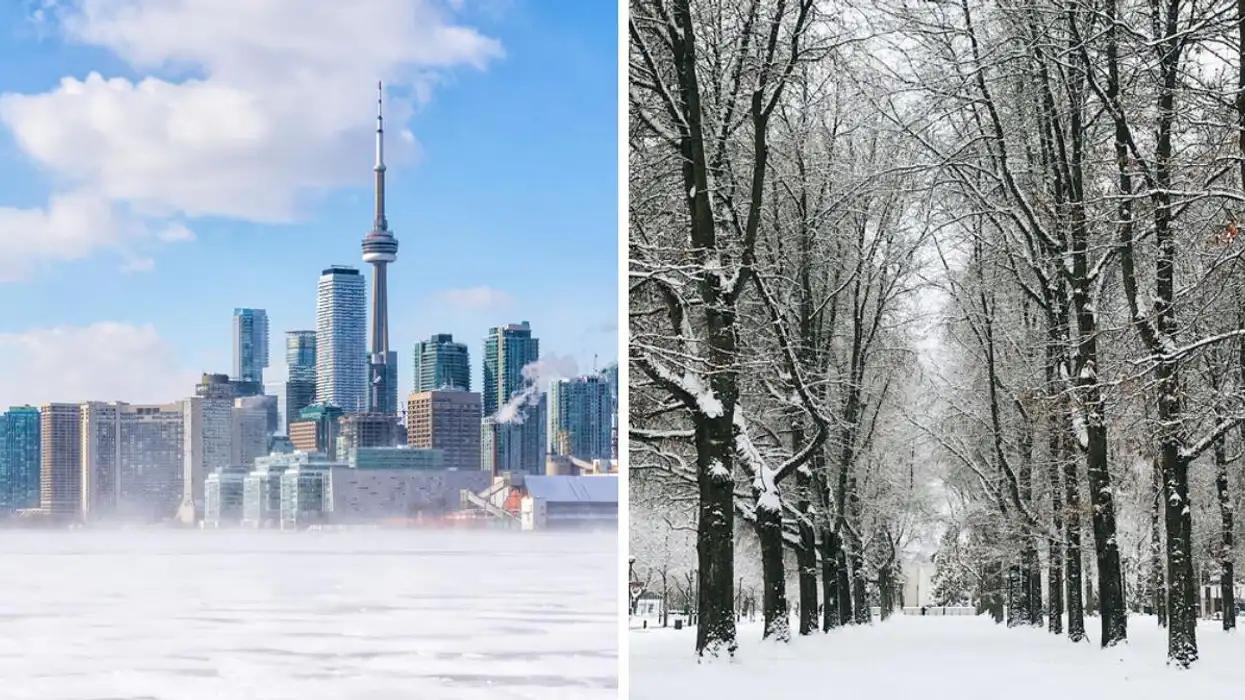
Uno de los aspectos más subestimados al mudarse a Canadá es la enorme diferencia climática entre regiones. Aunque Canadá es famoso por sus inviernos duros y prolongados, la realidad es mucho más matizada según el lugar donde te establezcas.
Variaciones climáticas regionales
El clima de Canadá varía drásticamente según la geografía. La costa de Columbia Británica experimenta inviernos suaves y húmedos, similares a los del Pacífico Noroeste. Las Praderas (Alberta, Saskatchewan y Manitoba) presentan inviernos extremadamente fríos, con temperaturas que descienden a -30 °C o menos. Ontario y Quebec tienen inviernos moderados con nevadas abundantes. La Canadá Atlántica ofrece un clima costero relativamente suave, aunque los inviernos pueden ser impredecibles.
Impacto estacional en la mudanza
El momento de tu mudanza afecta a los costes y a la comodidad. La primavera (abril-mayo) y el otoño (septiembre-octubre) ofrecen un clima ideal y gastos de mudanza más bajos. Las mudanzas en verano son populares, pero caras. Las mudanzas en invierno son posibles, pero conllevan mayores costes y desafíos logísticos.
Vivienda y alojamiento: lo que los expatriados deben saber

Encontrar una vivienda adecuada es uno de los primeros retos al mudarse a Canadá. Los mercados de alquiler y compra varían notablemente según la ubicación y la temporada.
Panorama del mercado de alquiler
Hay una amplia disponibilidad de apartamentos y casas de alquiler en las principales ciudades. La mayoría de los alquileres exigen el primer y el último mes por adelantado, además de un depósito de garantía. Los contratos suelen empezar el día 1 del mes. Las plataformas de alquiler más populares incluyen Kijiji, Craigslist y PadMapper. Las visitas virtuales y las solicitudes en línea son habituales.
Proceso de compra de vivienda
La compra de una propiedad requiere una entrada mínima del 5 % (aunque el 20 % es lo habitual para evitar el seguro hipotecario). Necesitarás un Número de Seguro Social (SIN) válido y una preaprobación hipotecaria. Se aplican honorarios legales, inspecciones e impuestos sobre la transmisión de terrenos. El proceso suele tardar entre 30 y 60 días.
Costes de vivienda por región
Los costes de vivienda varían drásticamente entre provincias y ciudades:
- Toronto: $1.800–$2.500/mes por apartamentos de un dormitorio; el precio medio de la vivienda supera los $900K
- Vancouver: $1.900–$2.600/mes por apartamentos de un dormitorio; el precio medio de la vivienda supera los $1,2M
- Calgary: $1.200–$1.600/mes por apartamentos de un dormitorio; el precio medio de la vivienda ronda los $500K
- Montreal: $1.000–$1.500/mes por apartamentos de un dormitorio; el precio medio de la vivienda ronda los $600K
Comparativa entre alquiler y compra en las principales ciudades canadienses
| Ciudad | Alquiler medio (1 dormitorio) | Precio de la vivienda | Dificultad del mercado | Complejidad de compra |
|---|---|---|---|---|
| Toronto | $2.000–$2.500 | $900.000–$1,2M | Alta (competitivo) | Alta (guerra de ofertas) |
| Vancouver | $1.900–$2.600 | $1,1M–$1,5M | Alta (muy competitivo) | Muy alta |
| Calgary | $1.200–$1.600 | $450.000–$550K | Moderada | Moderada |
| Montreal | $1.000–$1.500 | $550.000–$700K | Moderada | Moderada |
| Ottawa | $1.300–$1.800 | $600.000–$800K | Moderada | Moderada |
Coste de vida en Canadá: expectativas de presupuesto
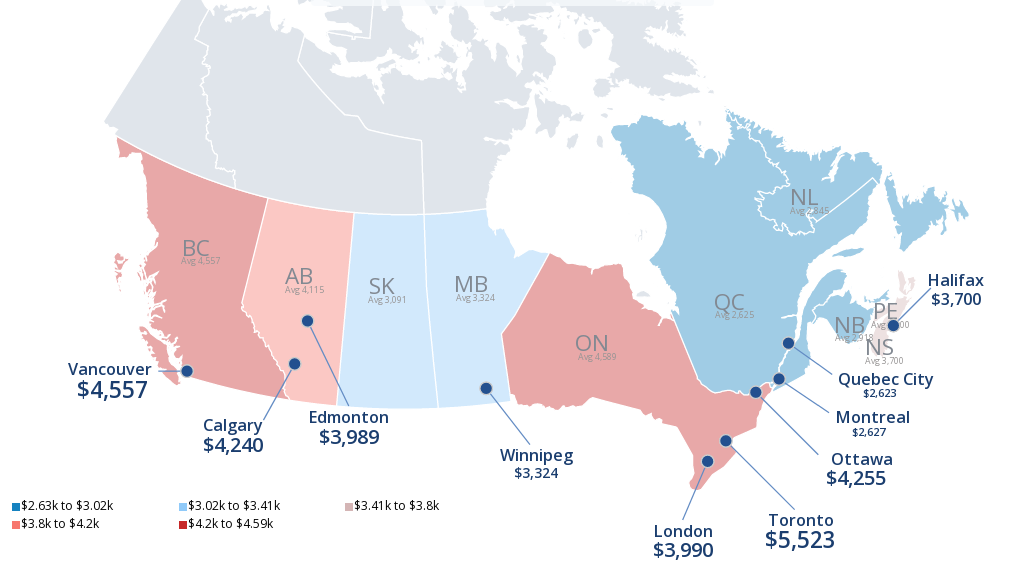
Conocer tus gastos mensuales te ayuda a planificar la mudanza con eficacia. Aquí tienes un desglose realista de los costes en las principales ciudades canadienses:
Desglose mensual de costes (por persona, estimaciones de rango medio)
- Vivienda: $1.200–$2.500 (alquiler o pagos de hipoteca)
- Alimentación: $300–$500
- Transporte: $100–$200 (transporte público o costes de coche)
- Suministros: $120–$200 (electricidad, gas, agua, internet)
- Restaurantes y ocio: $200–$400
- Sanidad y seguros: $50–$150 (cubiertos por los planes provinciales; seguro privado aparte)
- Presupuesto mensual total: $2.000–$3.950
Variaciones de coste por provincia/ciudad
Toronto, Vancouver y Ottawa son las más caras. Calgary y Edmonton ofrecen costes más bajos. La Canadá Atlántica (Halifax, St. John's) y Quebec ofrecen precios competitivos.
Consejo: Usa la herramienta gratuita de presupuestos de mudanza de ReloAdvisor para estimar los costes de tu reubicación y comparar presupuestos de empresas de mudanzas internacionales verificadas. Esto te ayuda a comprender la inversión total necesaria para tu mudanza.
Sanidad y servicios sociales

El sistema sanitario de Canadá está financiado con fondos públicos y ofrece cobertura esencial a los residentes.
Seguro sanitario provincial
Cada provincia gestiona su propio plan de seguro sanitario (OHIP en Ontario, MSP en Columbia Británica, etc.). La cobertura incluye visitas médicas, estancias hospitalarias y medicamentos con receta (parcialmente). La mayoría de las provincias exigen un periodo de espera de 3 meses para los nuevos residentes antes de que comience la cobertura.
Requisitos de registro
Al llegar, debes solicitar el seguro sanitario provincial. Necesitarás una prueba de residencia (contrato de alquiler, factura de suministro) y un documento de identidad válido. El proceso tarda de 1 a 3 semanas. Algunas provincias ofrecen cobertura temporal durante el periodo de espera.
Expectativas de cobertura
La sanidad pública cubre las necesidades médicas básicas, pero tiene limitaciones. La dental, la visual y los medicamentos con receta suelen requerir seguro privado. Los servicios de salud mental están cada vez más cubiertos por los planes provinciales. Los servicios de urgencia están totalmente cubiertos.
Empleo y permisos de trabajo

Las oportunidades de empleo en Canadá varían según la provincia, el sector y tu formación profesional.
Categorías de visado de trabajo
- Programa de Trabajadores Extranjeros Temporales (TFWP): Para puestos cualificados específicos
- Programa de Movilidad Internacional (IMP): Para traslados dentro de una misma empresa y otros trabajadores exentos
- Express Entry: Residencia permanente rápida para trabajadores cualificados
- Programas de Nominación Provincial (PNP): Vías de inmigración específicas de cada provincia
Panorama del mercado laboral
El mercado laboral de Canadá es competitivo en las principales ciudades. Los empleos tecnológicos (Toronto, Waterloo, Vancouver), la sanidad, los oficios cualificados y la ingeniería tienen mucha demanda. Las oportunidades de trabajo remoto se han ampliado tras la pandemia. Las plataformas de búsqueda de empleo incluyen Indeed, LinkedIn, Workopolis y Glassdoor.
Proceso de reconocimiento de titulaciones
Las titulaciones profesionales deben ser reconocidas por los organismos provinciales correspondientes. Los ingenieros, médicos, contables y profesores necesitan una evaluación de sus credenciales. Algunas profesiones exigen exámenes adicionales u homologación. El proceso puede tardar de 2 a 6 meses y cuesta entre $500 y $2.000.
Banca, impuestos y configuración financiera
Organizar tu vida financiera en Canadá requiere prestar atención a la banca, los impuestos y la gestión de divisas.
Abrir una cuenta bancaria canadiense
Puedes abrir una cuenta bancaria en los grandes bancos (TD, RBC, BMO, Scotiabank) o en bancos en línea (Tangerine, EQ Bank). Necesitarás:
- Pasaporte o documento de identidad válido
- Prueba de residencia (contrato de alquiler, factura de suministro)
- Depósito inicial (varía según el banco, normalmente $0–$500)
Muchos bancos ofrecen paquetes para recién llegados con exención de comisiones. El proceso tarda de 1 a 2 semanas.
Requisitos de residencia fiscal
Adquieres la condición de residente fiscal cuando estableces vínculos residenciales en Canadá (alquiler, empleo, familia). Los residentes fiscales deben presentar declaraciones anuales e informar sobre las rentas mundiales. Los no residentes solo tributan por las rentas de fuente canadiense. Consulta a un asesor fiscal para entender tu situación particular.
Consideraciones sobre el cambio de divisas
Las transferencias internacionales conllevan diferenciales de tipo de cambio y comisiones. Usa servicios como Wise, OFX o el servicio de transferencia internacional de tu banco. Compara los tipos antes de transferir grandes sumas. Evita los servicios de cambio en los aeropuertos, que suelen ofrecer tipos desfavorables.
Visado, inmigración y requisitos legales
Las normas de inmigración varían notablemente según tu país de origen y el estatus que pretendas obtener.
Requisitos de entrada por país
Los ciudadanos de la mayoría de los países desarrollados pueden entrar en Canadá sin visado por turismo (hasta 6 meses). Si necesitas visado, solicítalo a través de Inmigración, Refugiados y Ciudadanía de Canadá (IRCC). Los plazos de tramitación varían desde 2 semanas hasta varios meses.
Residencia temporal frente a permanente
Los residentes temporales tienen permisos de trabajo o de estudios (válidos de 1 a 3 años). Los residentes permanentes tienen un estatus de residencia indefinido, pero deben cumplir los requisitos de presencia física (2 de cada 5 años). La ciudadanía requiere 3 años de residencia permanente.
Lista de documentación
Antes de mudarte, asegúrate de tener:
- Pasaporte válido (con un mínimo de 2 años de validez)
- Permiso de trabajo o de estudios (si procede)
- Certificado de antecedentes penales
- Resultados del reconocimiento médico (si se exige)
- Prueba de recursos económicos
- Carta de oferta de empleo (si procede)
- Solicitud del seguro sanitario provincial
Educación y colegios para familias que se reubican
El sistema educativo de Canadá está muy bien valorado, lo que lo hace atractivo para las familias.
Proceso de matriculación escolar
Los colegios públicos admiten alumnos durante todo el año. La matriculación requiere:
- Prueba de residencia (contrato de alquiler o titularidad de la vivienda)
- Cartilla de vacunación
- Certificado de nacimiento o pasaporte
- Prueba de custodia (si procede)
Los plazos de matriculación varían según la provincia. La mayoría de los colegios empiezan en septiembre, aunque son posibles las admisiones a mitad de curso.
Panorama del currículo
Canadá sigue currículos provinciales (no federales). Columbia Británica y Ontario tienen programas muy valorados que ponen el énfasis en STEM y el pensamiento creativo. Los estudiantes de secundaria obtienen su título tras 4 años. La educación postsecundaria es accesible y asequible en comparación con Estados Unidos.
Opciones de colegios internacionales
Las principales ciudades disponen de colegios internacionales que siguen el currículo del IB (Bachillerato Internacional) o británico. Algunos ejemplos son Upper Canada College (Toronto), Collingwood School (Vancouver) y Académie Internationale Montréal. La matrícula oscila entre $15.000 y $30.000 al año.
Integración cultural y consejos de comunidad
Integrarse con éxito en la sociedad canadiense mejora tu experiencia de reubicación.
Normas sociales y etiqueta
Los canadienses valoran la cortesía y la franqueza. La propina es habitual (del 15 al 20 % en los restaurantes). El apretón de manos es el saludo habitual en los negocios. Los canadienses respetan el espacio personal y evitan comportamientos ruidosos en público. El multiculturalismo está profundamente arraigado en la sociedad canadiense: la diversidad se celebra.
Encontrar comunidades
- Únete a centros comunitarios y ligas recreativas locales (hockey, deportes, artes)
- Asiste a festivales culturales y eventos comunitarios
- Usa Meetup.com para encontrar grupos locales y eventos de contacto profesional
- Haz de voluntario en organizaciones locales
- Conecta con comunidades de expatriados a través de grupos de Facebook y asociaciones profesionales
Consideraciones lingüísticas
El inglés es el idioma principal en la mayoría de las provincias. El francés es cooficial en Quebec y cada vez más importante a nivel nacional. Aprender francés conversacional (especialmente si te estableces en Quebec) ayuda con la integración y el empleo. Hay programas de idiomas gratuitos o de bajo coste disponibles a través de organizaciones de asentamiento.
Conclusión: tu camino hacia el éxito en Canadá
Mudarse a Canadá ofrece oportunidades increíbles de crecimiento personal y profesional. Al comprender estos ocho factores esenciales (clima, vivienda, costes, sanidad, empleo, finanzas, inmigración y educación) estarás mejor preparado para tomar decisiones informadas y gestionar tu reubicación sin contratiempos.
La clave de una mudanza exitosa es una planificación exhaustiva y expectativas realistas. No dudes en recurrir a los servicios de asentamiento, las comunidades de expatriados y los asesores profesionales para recibir apoyo durante tu transición.
¿Listo para mudarte a Canadá? No dejes que el estrés de la reubicación te frene.
¿Cuál es la mejor época para mudarse a Canadá?
¿Cuál es la mejor época para mudarse a Canadá?
La primavera (abril-mayo) y el otoño (septiembre-octubre) ofrecen un clima ideal y costes de mudanza más bajos. Las mudanzas en invierno son posibles, pero más caras debido a la logística. Planifica el momento según la fecha de inicio del empleo, los horarios escolares y tus preferencias personales. El verano es popular, pero conlleva tarifas más altas de las empresas de mudanzas.
¿Necesito un permiso de trabajo para vivir en Canadá?
La mayoría de los reubicados internacionales necesitan un permiso de trabajo o el estatus de residente permanente para vivir y trabajar en Canadá. La elegibilidad depende de tu país de origen, profesión y experiencia. Los ciudadanos de algunos países pueden visitar sin visado por turismo, pero no pueden trabajar sin autorización. Consulta el sitio web oficial de Inmigración, Refugiados y Ciudadanía de Canadá para conocer los requisitos específicos.
¿Cuánto cuesta mudarse a Canadá?
Los costes de las mudanzas internacionales suelen oscilar entre $5.000 y más de $25.000, según el peso del envío, la distancia y la ciudad de destino. La mudanza de un apartamento pequeño (1-2 dormitorios) cuesta entre $8.000 y $15.000. Las reubicaciones de hogares grandes (4 o más dormitorios) cuestan entre $15.000 y más de $30.000. Consigue presupuestos personalizados de la red de mudanzas verificadas de ReloAdvisor para comparar opciones y encontrar la mejor oferta.
¿Cuáles son las opciones de vivienda para expatriados en Canadá?
Las opciones incluyen apartamentos de alquiler, casas unifamiliares, condominios y alquileres amueblados a corto plazo. Los mercados de alquiler varían notablemente según la ciudad: Toronto y Vancouver son más caras que Calgary, Montreal o Halifax. Muchos propietarios exigen prueba de empleo, historial crediticio y referencias. Los alquileres amueblados ofrecen flexibilidad para los recién llegados que no tienen claro su alojamiento a largo plazo.
¿Pueden reconocerse mis titulaciones internacionales en Canadá?
¿Pueden reconocerse mis titulaciones internacionales en Canadá? El reconocimiento de titulaciones varía notablemente según la profesión y la provincia. Algunos campos (ingeniería, medicina, contabilidad) exigen recertificación y exámenes adicionales. Otros no requieren un reconocimiento formal. Contacta con el organismo regulador provincial correspondiente a tu profesión para conocer los requisitos específicos. El proceso suele tardar de 2 a 6 meses y cuesta entre $500 y $2.000.
Fuente:
- Statistics Canada: https://www.statcan.gc.ca/ (datos de inmigración)
- Gobierno de Canadá - Inmigración: https://www.canada.ca/en/immigration-refugees-citizenship.html
- CMHC (Canada Mortgage & Housing Corporation): https://www.cmhc-schl.gc.ca/ (datos de vivienda)
- Numbeo - Coste de vida: https://www.numbeo.com/cost-of-living/ (datos de 2026)
- Indeed Canadá: https://ca.indeed.com/ (ofertas de empleo)
¿Listo para mudarte a Canadá?
No dejes que el estrés de la reubicación te frene. Consigue hoy presupuestos gratis de mudanza de nuestra red verificada de empresas internacionales. Usa el estimador instantáneo de volumen de mudanza de ReloAdvisor para comparar presupuestos y encontrar la empresa perfecta para tu reubicación a Canadá.
Consigue presupuestos de mudanza gratis ahora