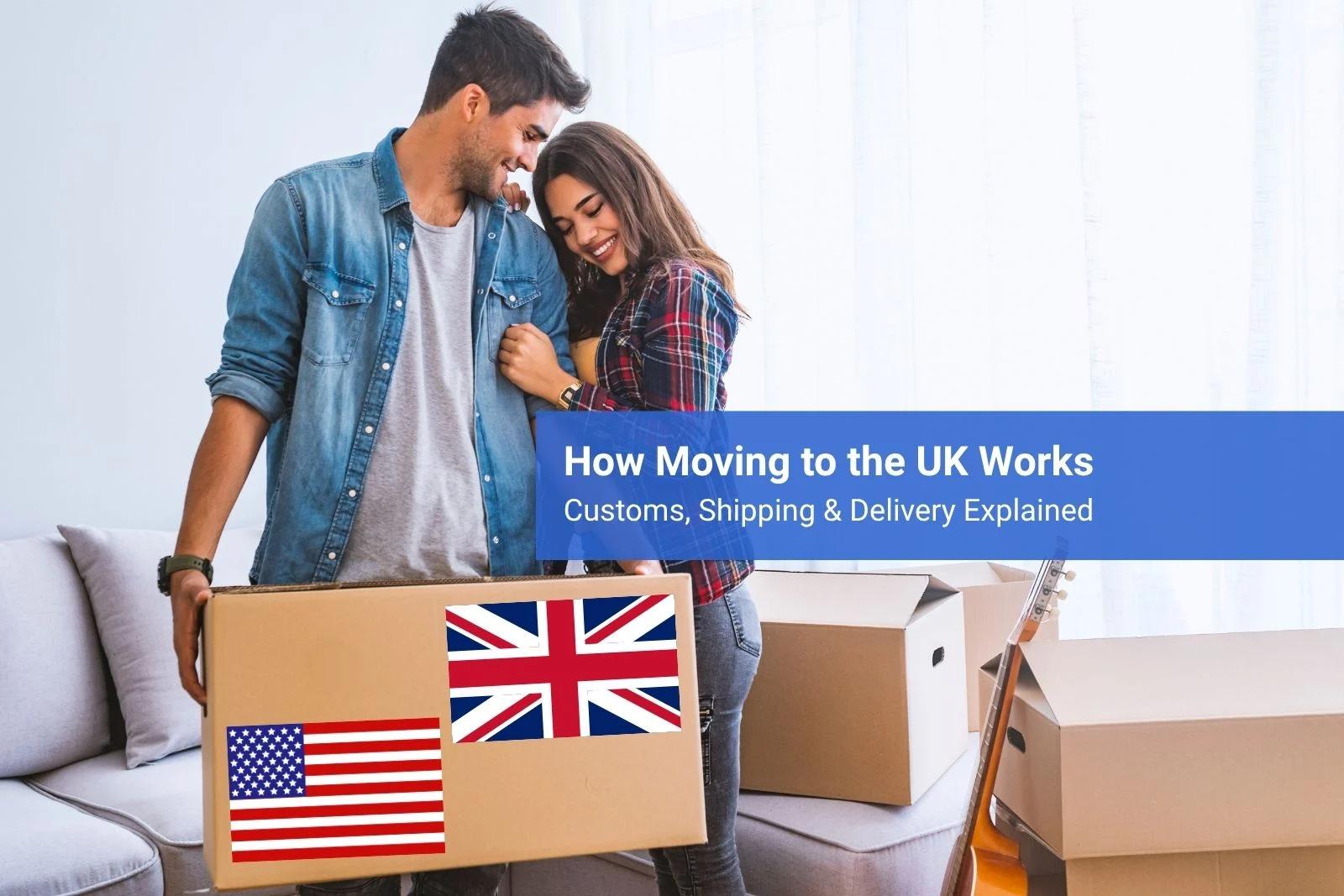
Relocating internationally with children is one of life's most significant decisions—and one of the most complex. Unlike moving alone, families must navigate school systems, healthcare requirements, visa complications, and the emotional needs of developing minds, all while managing logistics and uncertainty.
The good news? With proper planning, children often adapt remarkably well to international moves. The key is starting with the systems around the child—housing, schools, healthcare, and routines—rather than hoping the child will adjust once you arrive.
This comprehensive guide walks you through every stage: before departure, during transition, and after arrival, with practical checklists, expert insights, and proven strategies for moving abroad with kids successfully. Whether you're relocating for work, lifestyle, or family reasons, this guide ensures your family moves with clarity, confidence, and minimal stress.

Part 1: Pre-Move Planning (8-12 Weeks Before Departure)
Understanding Your Child's Visa & Immigration Requirements
Before booking flights, understand visa rules for your children in the destination country. Immigration requirements vary significantly by nation, visa type, and family composition.
Key visa considerations for children:
- Dependent visas tied to the working parent's visa (processing times: 4-16 weeks)
- Birth certificates and proof of citizenship required for visa applications
- Children's passport validity must extend 6+ months beyond intended stay
- Custody documentation if name changes or custody arrangements apply
- Health requirements including vaccination records, TB tests, or health clearances
Action steps:
- Visit your destination country's immigration website (official government source)
- Contact the embassy or consulate 10-12 weeks before departure
- Request comprehensive checklist of required documents
- Begin visa applications immediately (children often require separate applications)
- Keep digital copies of all documents in encrypted cloud storage
TIP: Early Appointments Matter Many countries' immigration departments now offer online appointment booking. Schedule consulate visits early—some locations have 6-week waiting lists that can derail your timeline if not planned ahead.
Family move priorities
- Request school records and translated documents early.
- Collect vaccination records and prescriptions.
- Shortlist schools or childcare before arrival.
- Pack a familiar first-week bag for each child.
- Keep routines visible: meals, bedtime, school visits, and weekend plans.
Researching Schools & Education Systems Abroad

School selection often determines housing location, arrival timing, and overall family satisfaction. Begin research 3-4 months before departure to ensure adequate time for applications and decisions.
Comparing School Types: Which Is Right For Your Family?
| School Type | Advantages | Disadvantages | Best For | Annual Cost |
|---|---|---|---|---|
| International Schools | English-language instruction, expat community, familiar curriculum (IB, A-Level, AP) | High tuition, may isolate from local culture, competitive admissions | Expatriate families, shorter stays (2-4 years), children with language concerns | $10,000-$30,000 |
| Local Public Schools | Immersive language learning, cultural integration, low/no tuition | Language barrier initially, different curriculum, less structure for new arrivals | Families planning 5+ year stays, multilingual households, culture integration priority | Free-$3,000 |
| Bilingual Schools | Balance of local language + English, blend of cultures, moderate costs | Variable quality, language instruction varies by school, fewer options in some countries | Families seeking cultural integration with English support, long-term stays | $4,000-$15,000 |
Critical school research steps:
- Contact schools 3+ months ahead for admission timelines, waiting lists, and application requirements
- Request detailed curriculum information and accreditation proof
- Ask about orientation programs (many schools offer 2-4 week transition programs for new arrivals)
- Connect with current families through social media groups and school forums
- Verify accreditation against your home country's education standards
- Understand entrance exam requirements (many schools assess English, math, or language proficiency)
- Budget for total costs including tuition, uniforms, transportation, and activities
Finding Schools Online:
- International Schools Review (iser.org) — Detailed reviews from parents
- International Schools Database (isd.org) — Searchable by country/curriculum
- Expatica (expatica.com) — Country guides with school listings
- Local expat Facebook groups — Current families provide honest feedback
Building a Healthcare Plan Before Departure

International healthcare is complex and varies dramatically by country. Establishing comprehensive plans before arrival prevents medical emergencies from derailing your move and ensures children receive continuous care.
Healthcare Setup Checklist:
Step 1: Obtain Medical Records
- Request complete vaccination records (date, vaccine type, batch number)
- Get copies of prescriptions for 3+ months supply minimum
- Collect dental X-rays if recent work was done
- Obtain allergy testing records if applicable
- Request any specialist diagnoses or detailed treatment plans
Step 2: Check Healthcare Access in Destination Country
- Is there national health insurance available to expats?
- What does private healthcare cost?
- Are there English-speaking doctors in major cities?
- Which insurance companies operate in your destination?
Step 3: Secure Expat Health Insurance
- Expat-specific plans: Allianz, Cigna, Aetna ($150-$400/month per person)
- Local insurance: Often cheaper ($30-$100/month) but language barriers exist
- Home country coverage: Verify if your plan covers international care (many don't)
- Pre-existing conditions: Confirm coverage during first 6-12 months
Step 4: Schedule Pre-Departure Medical Checks
- General health check-up (detect issues before moving)
- Eye exam (prescription updates, glasses supply)
- Dental cleaning and necessary work
- Pediatrician visit (obtain brief health summary for new doctors)
Useful Healthcare Resources:
- Numbeo (numbeo.com) — Healthcare costs by country
- Expat Insurance Comparison (insured-expat.com) — Plan comparisons
- International Health Insurance Alliance (ihia.org) — Industry standards
Part 2: Documentation & Legal Requirements (6-8 Weeks Before)
Essential Documents to Gather Before Departure
Obtaining documents abroad is time-consuming, expensive, and often bureaucratically complex. Gather everything before you leave your home country.
Critical documents for each child:
✅ Passport (valid 6+ months past intended stay)
✅ Birth certificate (multiple certified copies, 3-5 recommended)
✅ Vaccination records (official documentation with official stamps)
✅ School transcripts & diplomas (if applicable)
✅ Proof of identity (copy of passport)
✅ Medical/dental records (summary from doctor)
✅ Custody documentation (if applicable for divorced/separated parents)
✅ Immunization records in English & destination language
✅ Recent photos (for school ID, visa processing)
For parents/guardians:
- Marriage certificate (if applicable, certified copy)
- Divorce decree (if applicable, for custody proof)
- Insurance documents (health, moving, travel)
- Power of attorney documents (in case documents need signing while abroad)
Storage & Backup Strategy:
- Physical copies: Keep 2 sets (one in carry-on, one in checked luggage)
- Digital copies: Store in password-protected cloud (Google Drive, OneDrive, Dropbox)
- Notarized copies: For visa applications and school enrollment
- Translation: Get documents officially translated if destination requires
Understanding Customs Regulations for Household Goods with Children
Moving household goods with kids requires understanding what's allowed—some items are restricted in certain countries and can cause significant delays at customs.
Common Restrictions on Children's Items:
- Electronics: Some countries restrict older models; keep receipts showing purchase date
- Toys & equipment: Certain countries (EU, Japan) prohibit specific toy types; check safety standards
- Medications: Bring prescriptions; many over-the-counter medicines are unavailable or illegal abroad
- Car seats & safety equipment: Quality standards vary; your model may not be legal in destination
- Furniture: Some countries charge import duties on household goods
Your Customs Strategy with Children:
- Declare all items on customs forms (honesty prevents delays and fines)
- Keep purchase receipts (proves items are personal goods, not merchandise)
- Label boxes clearly (inspectors understand move context faster)
- Pack children's items separately (easier inspection without unpacking everything)
- Research prohibited items on destination country's customs website
Authoritative External Resources:
- World Customs Organization (wcoomd.org) — International customs standards
- Your destination country's official customs authority website — Specific regulations
| Strategy | Implementation | Benefit |
|---|---|---|
| Virtual tours | YouTube, Google Street View, school virtual tours | Reduces fear of the unknown |
| Language learning | Duolingo, YouTube kids' shows in new language | Builds confidence for arrival |
| Pen pal connections | Connect with children in destination via expat groups | Creates first friendship |
Logistics & Packing with Children (4-8 Weeks Before & During Move)
Choosing the Right Moving Company for Families
Not all moving companies have experience managing family relocations. The wrong choice creates stress that ripples through the entire move timeline.
What to Look for in Family-Friendly Movers:
| Experience with Families | Reliability & Communication | Logistics Support | Cost Transparency |
|---|---|---|---|
| Have they moved families with children before? Can they provide references from similar moves? Do they offer packing services? (Especially important with kids) Can they explain complex logistics clearly? | Do they provide a dedicated move coordinator? What's their communication process? (Email, phone, app tracking?) How do they handle delays? (With honesty and transparency?) Do they carry insurance for damage coverage? | Do they offer temporary storage if house isn't ready? Can they deliver on specific dates critical for school enrollment? Do they handle customs documentation? What's included in the quote? | Get quotes in writing (not estimates) Understand what's included (packing materials, customs, insurance?) Ask about currency fluctuations if move spans multiple months Confirm final payment terms (typically 50% deposit, 50% on delivery) |
Finding Family-Focused Movers:
- Get 3-5 quotes and compare carefully
- Check reviews on ReloAdvisor (we verify movers)
- Ask expat Facebook groups in your destination (they'll recommend trusted companies)
- Interview via phone before booking (assess communication quality)
Always get multiple moving quotes
Get informed and certained by receiving quotes from us
Get Free Moving QuotesStrategic Packing for Families with Children
Packing with kids requires a different strategy than individual moves. Plan for potentially living 2-4 weeks without your main shipment of belongings.
Create a "First-Week Survival Kit" for Each Child:
In Carry-On Luggage (essentials for first 2 weeks while belongings arrive):
- Medications & prescriptions (full supply)
- Important documents (passports, visas, medical records)
- Comfortable clothing (2-3 outfits, undergarments)
- Sleepwear (familiar pajamas reduce stress)
- Basic toiletries (toothbrush, toothpaste, special soaps)
- A comfort item (stuffed animal, favorite toy, book)
- Phone chargers & adapters
- Special medical equipment (EpiPen, inhaler, etc.)
In Checked Luggage (arriving within 1-2 weeks):
- Additional seasonal clothing (full wardrobe)
- Shoes (multiple pairs)
- School supplies (especially if school starts before belongings arrive)
- Favorite books & toys (maintains emotional continuity)
- Family photos & mementos
- Any specific food items they can't live without
- School uniforms (if applicable)
Strategic Packing Tips:
- Let each child pick 3-5 special items to travel with (toys, books, comfort items)
- Label everything with child's name (easier to identify if separated)
- Color-code boxes by child (blue = oldest child, green = youngest, etc.)
- Create detailed packing list (especially if using moving company's packing service)
Timing Consideration:
International moves typically take 4-8 weeks for shipments to arrive. Schedule school start AFTER belongings arrive if possible to reduce chaos. If timing misaligns, rent furniture for first month or stay in furnished accommodation initially.
Practical Arrival Checklist
Before Arriving (Final Week):
☐ Confirm accommodation ready (beds, utilities, key access)
☐ Arrange airport transportation (pre-book, confirm driver contact)
☐ Notify movers of final dates (confirm arrival week window)
☐ Register with your embassy (safety precaution)
☐ Inform schools of exact arrival date (they may arrange greeters)
☐ Research local pharmacies & doctors (have names/addresses ready)
☐ Locate nearest grocery store, hospital, police station on map
☐ Set up phone/SIM cards (research providers, purchase plans in advance)
First Week After Arrival:
☐ Register with local authorities (required in most countries)
☐ Formally enroll children in school (if not done before arrival)
☐ Open local bank account (if staying longer than 6 months)
☐ Schedule healthcare provider appointments (pediatrician, dentist)
☐ Purchase household essentials (cleaning supplies, basic kitchen items)
☐ Test school routes (practice walks/transit before actual school days)
☐ Explore immediate neighborhood (library, parks, playgrounds)
☐ Join local parent groups or international family groups (Facebook, Expatica)
First Month After Arrival:
☐ Complete children's school registration & uniforms ☐ Establish healthcare relationships (select pediatrician, dentist) ☐ Set up regular family routines (meal times, bedtimes, activities) ☐ Explore city with children (parks, museums, cultural sites) ☐ Enroll in community activities (sports, music, clubs) ☐ Build social connections (playdates, family activities)
Country-Specific School Systems
School Systems Around the World: Quick Reference
Europe
- UK/Ireland: GCSE exams at age 16, A-Levels at 18 (highly standardized)
- Germany: Multiple school types (Gymnasium, Realschule, Hauptschule); transfers between types possible
- Netherlands: 3-track system (VWO, HAVO, VMBO); tracked from age 12
- France: Centralized curriculum, competitive entrance exams, school enrollment January-September
Asia-Pacific
- Singapore: Highly competitive system, tracking begins early, English-language education
- Australia: State-based systems vary, less tracking than other countries, outdoor lifestyle culture
- Japan: Highly structured, school culture significant, uniforms standard
Asia
- Thailand: Mix of Thai and international schools, English growing, affordable education
- South Korea: Extremely competitive, hagwon (after-school academy) culture, long school hours
Part 8: Financial Considerations
Budgeting Education Costs Abroad
International school fees are often the largest post-move expense for families with children.
Typical Education Costs by Region:
Children handle relocation better when adults have already solved the first practical questions: where they sleep, where they go to school, who to call for healthcare, and what the first week looks like. Start with the systems around the child, not the child's feelings. The feelings follow when the systems work.
Comprehensive Moving with Kids Checklist
12-16 Weeks Before Departure
Immigration & Legal: ☐ Contact destination country's embassy/consulate ☐ Request visa requirements checklist ☐ Begin visa applications for all family members ☐ Order birth certificates, marriage certificates (as needed) ☐ Obtain custody documentation (if applicable) ☐ Research passport validity requirements
Schools: ☐ Research school options (international, local, bilingual) ☐ Contact 3-5 schools for applications and timelines ☐ Request school curriculum and orientation information ☐ Request transcripts from current school ☐ Look into entrance exams (if required)
Healthcare: ☐ Schedule pediatrician visit ☐ Get vaccination records (official documents with stamps) ☐ Obtain prescriptions (3+ month supply minimum) ☐ Get copies of medical/dental records ☐ Research healthcare options in destination country ☐ Get quotes for expat health insurance
Housing: ☐ Research neighborhoods (schools, safety, amenities) ☐ Identify potential housing (rental agencies, expat sites) ☐ Begin communication with landlords/agents
8-12 Weeks Before Departure
Moving & Logistics: ☐ Get quotes from 3-5 moving companies ☐ Check references for family moves ☐ Book moving company ☐ Create detailed packing list ☐ Begin decluttering (do you need to ship everything?)
Children's Preparation: ☐ Begin discussing move with children ☐ Research destination country with children ☐ Teach basic phrases in destination language ☐ Read books about moving and cultural differences ☐ Create visual countdown (calendar, drawings)
Documentation: ☐ Collect all medical records in one place ☐ Get school transcripts ☐ Gather birth certificates, custody documentation, insurance info ☐ Make copies (3 sets: carry-on, checked luggage, cloud storage)
School Selection (Final Decision): ☐ Confirm school choice (send deposits if required) ☐ Submit school applications and documentation ☐ Confirm enrollment timeline
4-8 Weeks Before Departure
Document Finalization: ☐ Confirm visa approval dates ☐ Obtain visas from consulate ☐ Get final copies of all required documents ☐ Ensure passports are valid (6+ months) ☐ Arrange document translation (if needed)
Moving Logistics: ☐ Confirm move dates with moving company ☐ Begin packing non-essential items ☐ Research international car shipping (if applicable) ☐ Arrange accommodation confirmation
Schools: ☐ Confirm school start date and arrival required date ☐ Request school orientation schedule ☐ Order uniforms, supplies (as needed) ☐ Connect with school Facebook group
Healthcare: ☐ Purchase expat health insurance (confirm coverage dates) ☐ Fill prescriptions (3+ month supply) ☐ Schedule pre-departure medical check ☐ Research doctors/hospitals in destination
2-4 Weeks Before Departure
Moving:
☐ Pack all non-essential items
☐ Confirm moving company final dates
☐ Prepare "first-week survival kit" for each child
☐ Label all boxes clearly
Final Preparations:
☐ Confirm travel arrangements (flights, accommodations)
☐ Print copies of all critical documents
☐ Back up documents to cloud storage
☐ Notify banks, insurance, subscriptions of move ☐ Schedule final pediatrician visit
Children's Preparation:
☐ Host goodbye celebration/party
☐ Take photos with friends and teachers
☐ Create friendship books
☐ Discuss time zone differences
☐ Review packing of comfort items
Emotional Preparation:
☐ Discuss feelings and concerns with children
☐ Role-play school scenarios
☐ Practice language basics (if applicable)
☐ Create excitement about new experiences
First Week After Arrival
Immediate Priorities:
☐ Settle into accommodation
☐ Set up utilities and internet
☐ Test emergency contact systems
☐ Purchase basic groceries and supplies
☐ Establish sleep routines immediately
☐ Explore immediate neighborhood safely
Administrative:
☐ Register with local authorities
☐ Open bank account (if applicable)
☐ Obtain local SIM cards or mobile plans
☐ Confirm school arrangements for coming week
Emotional Support:
☐ Check in daily with each child's feelings
☐ Maintain family meal times together
☐ Limit major new activities (keep week low-key)
☐ Schedule first video call with family back home
Make arrival practical, not perfect
The first weeks are about building a workable rhythm. Register locally, set healthcare appointments, test the school route, and create simple routines before chasing every long-term decision.
Moving with children
When should I contact schools?
As soon as the destination is likely. Admission timing, documents, and waiting lists can shape your housing and arrival plan.
Should medical records travel with the shipment?
No. Keep essential records, prescriptions, and vaccination documents with you during travel.
Compare family-friendly movers
Find movers who can explain timing, packing, storage, and arrival logistics clearly.
Compare moving quotes