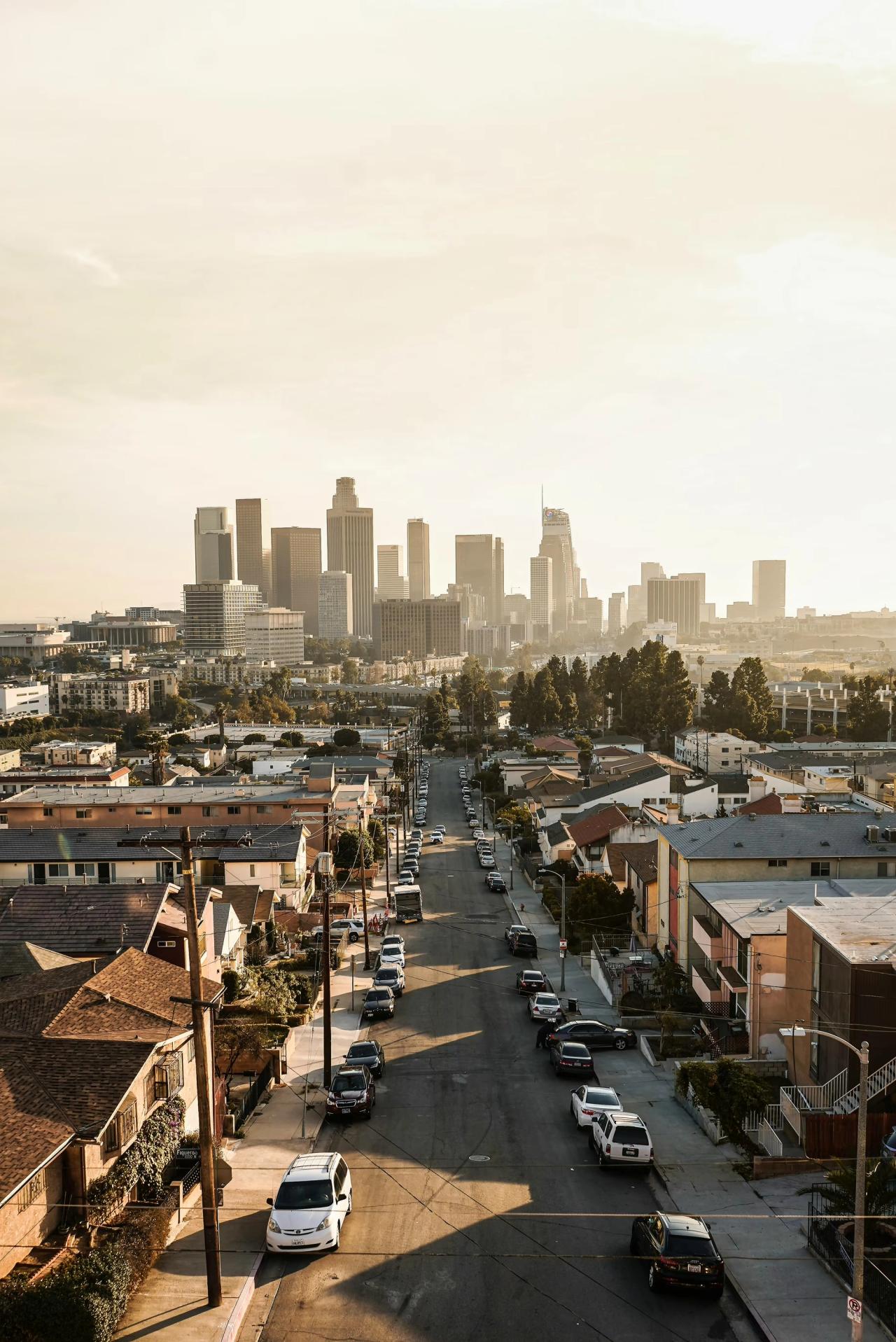

Is Los Angeles a Good Place to Live?
Los Angeles — home to approximately 3.8 million residents within city limits and over 13 million in the greater metropolitan area — is the second-largest city in the United States and the entertainment capital of the world. Often called "LA" or "The City of Angels," it offers a lifestyle unlike anywhere else in the country, with year-round sunshine, diverse neighborhoods, and a creative energy that draws people from every corner of the globe.
One of the biggest draws of Los Angeles is its climate. With an average of 284 sunny days per year and mild winters (daytime highs rarely drop below 15°C even in January), outdoor living is a way of life here. From hiking in Griffith Park to surfing in Santa Monica or exploring the beaches along the Pacific Coast Highway, LA encourages an active, outdoor lifestyle. The city's cultural scene is equally impressive — world-class museums like the Getty Center, LACMA, and the Broad sit alongside a thriving music, food, and arts community that reflects the city's enormous diversity.
Professionally, Los Angeles is a powerhouse. While Hollywood remains synonymous with the entertainment industry (film, television, music, streaming), the city is also a major hub for aerospace, technology, international trade (the Port of LA is the busiest in the Western Hemisphere), healthcare, and fashion. Companies like Disney, Netflix, SpaceX, and Kaiser Permanente are among the largest employers. The startup scene, particularly in Silicon Beach (Venice, Santa Monica, Playa Vista), continues to grow rapidly.
However, life in LA comes with challenges. The cost of living is high — rents in desirable areas rival those of New York and San Francisco. Traffic congestion is legendary; commuting by car is essentially mandatory in most of the city, and rush-hour travel times can be frustrating. Air quality, while improved from decades past, can still be an issue during wildfire season. Homelessness is a visible and complex problem across many neighborhoods.
Despite these drawbacks, Los Angeles remains one of the most dynamic and opportunity-rich cities in the world. For those who thrive in a sprawling, multicultural, creative environment — and who are willing to navigate the trade-offs — LA can be an extraordinary place to live.
Visa Requirements for EU and Non-EU Citizens
Moving to Los Angeles follows the same federal visa process as any other US city. The United States offers a range of visa categories, and the application process applies uniformly regardless of your destination within the country.
For EU citizens, the most common pathway is an employment-based visa. The H-1B visa (specialty occupation) is the standard route for skilled workers, but it is subject to an annual cap and a lottery system — having a job offer does not guarantee selection. The L-1 visa (intracompany transfer) is available if you work for a multinational company that has a US office, including many LA-based firms. For short visits, the ESTA (Electronic System for Travel Authorization) under the Visa Waiver Program allows citizens of most EU countries to stay up to 90 days for tourism or business — but this does not permit employment or long-term residency.
Non-EU citizens face similar pathways, with additional categories such as the O-1 visa (extraordinary ability — common in entertainment and arts, fitting for LA), E-2 investor visa (for nationals of treaty countries), and K-1 fiancé(e) visa. Students can apply for F-1 visas to attend institutions like UCLA, USC, or Caltech.
All employment-based visas require sponsorship from a US employer. Processing times vary significantly — from a few months for L-1 visas to potentially years for green card applications. It is strongly recommended to consult an immigration attorney, especially given the complexity and frequent policy changes in US immigration law.
Cost of Living and Employment in Los Angeles
Los Angeles is one of the most expensive cities in the United States, though costs vary dramatically by neighborhood. Understanding the financial landscape before you move is essential.
Rent and Housing
| Neighborhood | 1BR Rent (Monthly) | Character |
|---|---|---|
| Santa Monica / Venice | $2,200–$3,200 | Beachside, walkable, expensive |
| West Hollywood / Beverly Grove | $1,800–$2,800 | Central, trendy, nightlife |
| Silver Lake / Echo Park | $1,600–$2,400 | Hip, artsy, eastside |
| Downtown LA (DTLA) | $1,700–$2,600 | Urban core, lofts, growing |
| Koreatown | $1,300–$1,800 | Dense, affordable, transit-accessible |
| San Fernando Valley | $1,400–$2,000 | Suburban feel, family-friendly |
| Pasadena | $1,600–$2,200 | Historic, self-contained city |
Utilities run approximately $100–$200/month (electricity is higher in summer due to air conditioning). Renter's insurance costs about $15–$30/month.
Day-to-Day Costs
- Groceries: $350–$550/month for one person
- Restaurant meal (mid-range): $18–$30 per person
- Gas: ~$4.50–$5.50/gallon (varies; California has some of the highest gas prices in the US)
- Car insurance: $150–$250/month (LA rates are above national average)
- Gym membership: $30–$80/month
- Mobile phone plan: $45–$75/month
Transportation
Unlike New York, Los Angeles is overwhelmingly car-dependent. While the Metro rail system has expanded significantly (six lines including the E Line to Santa Monica and the B Line to North Hollywood), most residents rely on a personal vehicle for daily commuting.
- Metro rail/bus monthly pass: $100
- Single Metro ride: $1.75 (with free transfers within 2 hours)
- Parking: Varies wildly — free in many areas, $15–$40/day in DTLA and Westside commercial districts
Traffic is a defining feature of LA life. Average commute times exceed 30 minutes each way. The 405, 101, and 10 freeways are notorious for congestion. Many commuters use apps like Waze or Google Maps to find alternate routes in real time.
Salaries
Average salaries in Los Angeles by sector:
| Sector | Typical Annual Salary |
|---|---|
| Software engineering | $110,000–$160,000 |
| Entertainment / media production | $60,000–$120,000 |
| Healthcare (registered nurse) | $85,000–$110,000 |
| Marketing / advertising | $55,000–$90,000 |
| Aerospace engineering | $95,000–$140,000 |
| Teaching (public school) | $55,000–$85,000 |
| Hospitality / food service | $30,000–$50,000 |
California's minimum wage is $16.00/hour (as of 2024, with increases scheduled). California state income tax ranges from 1% to 13.3% — the highest top rate in the US — which significantly impacts take-home pay. Combined with federal taxes, effective tax rates for middle and high earners can be substantial.
Monthly Budget Estimate (Single Person)
| Category | Budget Range |
|---|---|
| Rent (1BR) | $1,600–$2,600 |
| Utilities | $100–$200 |
| Groceries | $350–$550 |
| Transportation (car + gas + insurance) | $400–$600 |
| Dining out / entertainment | $200–$500 |
| Health insurance | $200–$500 |
| Miscellaneous | $150–$300 |
| Total | $3,000–$5,250 |
Healthcare in Los Angeles
Healthcare in the US is private and employer-sponsored in most cases. If your employer offers health insurance (most mid-to-large companies do), expect to pay $200–$500/month in premiums with deductibles ranging from $1,500 to $5,000 before coverage kicks in fully.
Los Angeles has some of the best hospitals on the West Coast:
- Cedars-Sinai Medical Center — world-renowned, Beverly Grove area
- UCLA Medical Center — top-ranked, Westwood
- Keck Medicine of USC — academic medical center, Boyle Heights area
- Kaiser Permanente LA — large HMO network, multiple locations
If you do not have employer-sponsored insurance, the Affordable Care Act (ACA) marketplace (Covered California) offers plans. Costs vary based on income. Emergency rooms are required by law to treat regardless of insurance status, but bills can be extremely high without coverage.
Get a personalised relocation plan
Drop your email and we'll send a tailored checklist plus three quotes from vetted movers.
Neighborhoods Guide
Los Angeles is not one city but a collection of distinct neighborhoods, each with its own personality:
- Westside (Santa Monica, Venice, Culver City): Beach lifestyle, tech jobs, walkable in parts, expensive. Venice Beach boardwalk and Abbott Kinney Boulevard are iconic.
- Hollywood / West Hollywood: Entertainment hub, nightlife, central location. A mix of historic charm and modern development.
- Silver Lake / Echo Park / Los Feliz: Creative, indie vibe. Great coffee shops, music venues, and restaurants. Popular with young professionals and artists.
- Downtown LA (DTLA): Rapidly redeveloped urban core with lofts, arts district, and a growing food scene. Still developing its residential identity.
- Koreatown (K-Town): One of the densest neighborhoods in the US. Incredible food, affordable rents, and one of the most transit-accessible areas.
- San Fernando Valley ("The Valley"): Suburban, family-friendly, hotter in summer. More space and lower rents, but longer commutes.
- Pasadena: Northeast of downtown, historic architecture, Caltech nearby, self-contained with its own downtown. Feels distinct from LA proper.
- South Bay (Manhattan Beach, Hermosa Beach, Redondo Beach): Coastal suburban, excellent schools, very expensive.
Getting Settled: Practical Steps
First Week
- [ ] Apply for a Social Security Number (SSN) — essential for employment, banking, and credit. Visit a Social Security office with your passport, visa, and I-94.
- [ ] Open a bank account — major banks include Chase, Bank of America, and Wells Fargo. Credit unions are also popular.
- [ ] Get a California driver's license — you must visit a DMV office. If you have a valid foreign license, you may be able to transfer it without a driving test (varies by country).
- [ ] Register your vehicle with the California DMV within 20 days of establishing residency. California has strict emissions standards (CARB).
- [ ] Set up a mobile phone plan — major carriers are AT&T, Verizon, and T-Mobile. Prepaid plans (Mint Mobile, Visible) are cheaper alternatives.
First Month
- [ ] Sign up for health insurance — either through your employer or the Covered California marketplace.
- [ ] Establish renter's insurance — typically $15–$30/month, often required by landlords.
- [ ] Set up utilities — electricity (LADWP for most of LA, or Southern California Edison in some areas), gas (SoCalGas), internet (Spectrum or AT&T).
- [ ] Enroll children in school — LAUSD (Los Angeles Unified School District) is the second-largest district in the US. Charter and magnet schools are also options.
- [ ] Get a library card — LA Public Library system is extensive and free.
Tips and Considerations for Moving to Los Angeles
Car is king. While Metro rail has improved, LA's sprawl means a car is essential for most people. Budget for car payments, insurance, gas, maintenance, and parking.
Earthquakes are real but manageable. LA is in a seismically active zone. Most buildings modernized after the 1994 Northridge quake. Keep an emergency kit and familiarize yourself with drop-cover-hold protocol. Earthquake insurance is separate from standard renter's insurance.
Wildfire season (fall) can affect air quality even in areas not directly threatened. Keep N95 masks handy and monitor AQI (Air Quality Index) via apps during Santa Ana wind events.
Networking matters enormously. In entertainment, tech, and creative industries, who you know is often as important as what you know. Attend industry meetups, join professional organizations, and use LinkedIn actively.
The city is enormous. LA County covers over 4,700 square miles. Choose your neighborhood based on proximity to work — a "short distance" in miles can mean an hour in traffic.
Smog checks are mandatory. All vehicles registered in California must pass a smog check every two years (some exemptions for new vehicles and electric cars).
Sales tax is high. Los Angeles charges 9.5% sales tax on most goods (not groceries or prescription medications). This is among the highest in the US.
Learn the freeway culture. Locals refer to freeways with "the" — "the 405," "the 101," "the 10." It sounds small but marks you as a local.
FAQ
Do I need a car in Los Angeles? For most people, yes. While Metro rail serves key corridors (Downtown to Santa Monica on the E Line, Downtown to North Hollywood on the B Line) and some neighborhoods like Koreatown and DTLA are walkable, the vast majority of LA requires a car. Rideshare (Uber/Lyft) is available but expensive as a daily commute option.
How bad is the traffic? Rush hours are roughly 7–10 AM and 4–7 PM. Surface streets can be faster than freeways during peak times. Most Angelenos build commute time into their daily routine and use navigation apps religiously.
Is Los Angeles safe? Like any major city, safety varies by neighborhood. Areas like Santa Monica, Westwood, and much of the Westside are generally safe. Some parts of South LA and downtown have higher crime rates. Use common sense, research neighborhoods before renting, and check crime mapping tools like LASD.org or LAPD's crime maps.
What's the best neighborhood for newcomers? It depends on your budget and lifestyle. Silver Lake and Echo Park are popular with young professionals. Culver City offers a good balance of affordability and walkability. Koreatown is the best value on the Westside. The Valley is ideal for families wanting more space.
How do I find an apartment? Popular platforms include Zillow, Apartments.com, Craigslist (use caution with scams), and Facebook Marketplace. Working with a real estate agent for rentals is less common than in New York but can help for higher-end properties. Be prepared to provide proof of income (usually 2.5–3x monthly rent), credit check authorization, and references.
What about taxes? California has the highest state income tax rate in the US (up to 13.3%). Combined with federal taxes, expect a significant portion of income to go to taxes. Sales tax in LA is 9.5%. Property tax is relatively low (about 0.72% of assessed value) but only relevant if you buy a home.
Can I bring my pet? Yes, but rental buildings that allow pets may charge a pet deposit ($200–$500) and monthly pet rent ($25–$75). California law prohibits breed-specific restrictions in most cases, but individual landlords may set their own policies.
What's the time zone? Pacific Time (PT) — UTC-8 in winter (PST), UTC-7 in summer (PDT). Daylight saving time is observed.