The global shift toward remote work has permanently reshaped how and where people choose to live. In response, governments around the world have rolled out dedicated digital nomad visa programs — legal frameworks that allow location-independent workers to reside in a foreign country for an extended period while earning income from abroad.
But with so many options available, choosing the right country, understanding the eligibility requirements, and navigating the application process can feel overwhelming. This comprehensive guide breaks it all down: the best countries for a digital nomad visa in 2026, what remote work visa requirements typically look like, and exactly how to apply step by step.
Whether you're planning a short-term stay or a full relocation, this is your go-to resource for making a confident, informed decision.
What Is a Digital Nomad Visa?
A digital nomad visa (also called a remote work visa or freelancer visa) is a special residence permit issued by a country that allows foreign nationals to live within its borders while working remotely for clients or employers outside that country. Unlike a standard tourist visa, a digital nomad visa is designed specifically for people who earn their income digitally — and it typically comes with a legal right to stay for 6 to 24 months, sometimes with the option to renew.
Key differences from a tourist visa:
- Longer permitted stays (often 1–2 years vs. 90 days for a tourist)
- Legal authorization to work remotely (tourists technically cannot work)
- Access to local services like bank accounts, tax registration, or healthcare (varies by country)
- Some programs offer a path to long-term residency
💡 Good to know: A digital nomad visa doesn't typically allow you to work for a local employer — it's specifically for remote workers earning income from foreign sources.
Why 2026 Is the Best Year Yet for Digital Nomad Visas
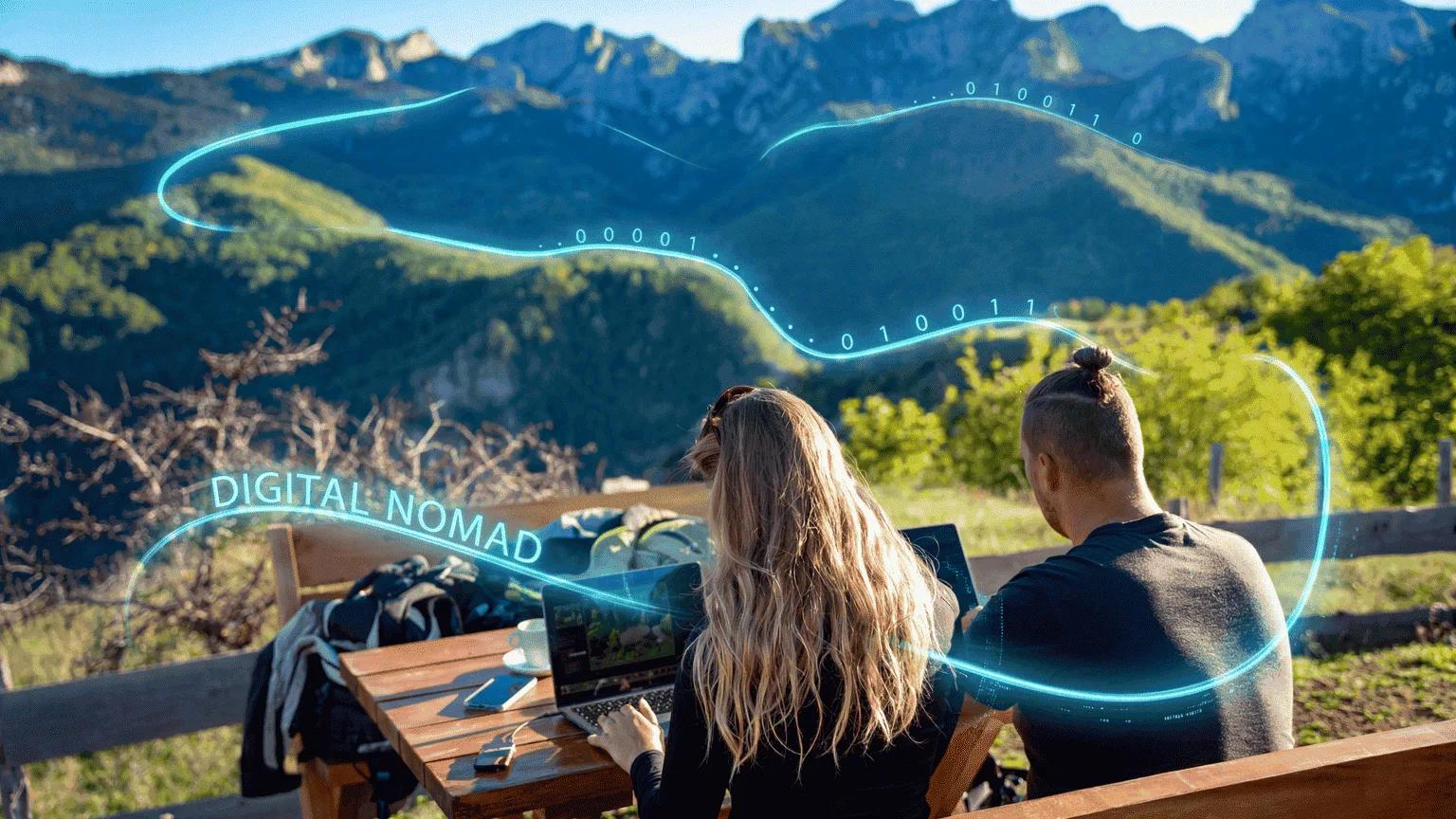
Since the post-pandemic boom in remote work, the number of countries offering digital nomad visa programs has grown exponentially. In 2026, over 60 countries worldwide have some form of official remote work visa or digital nomad residency program — up from fewer than 10 in 2019.
Governments have recognized the economic benefits: digital nomads spend money locally on housing, food, and leisure without competing for local jobs. The result is a wave of increasingly attractive and accessible visa programs, with more streamlined online applications, lower income thresholds, and faster processing times than ever before.
Best Countries for a Digital Nomad Visa in 2026
Below is a curated list of the top countries offering digital nomad visas in 2026, selected based on application accessibility, cost of living, internet quality, lifestyle, and overall nomad-friendliness.
🇵🇹 Portugal — Digital Nomad Visa (D8 Visa)
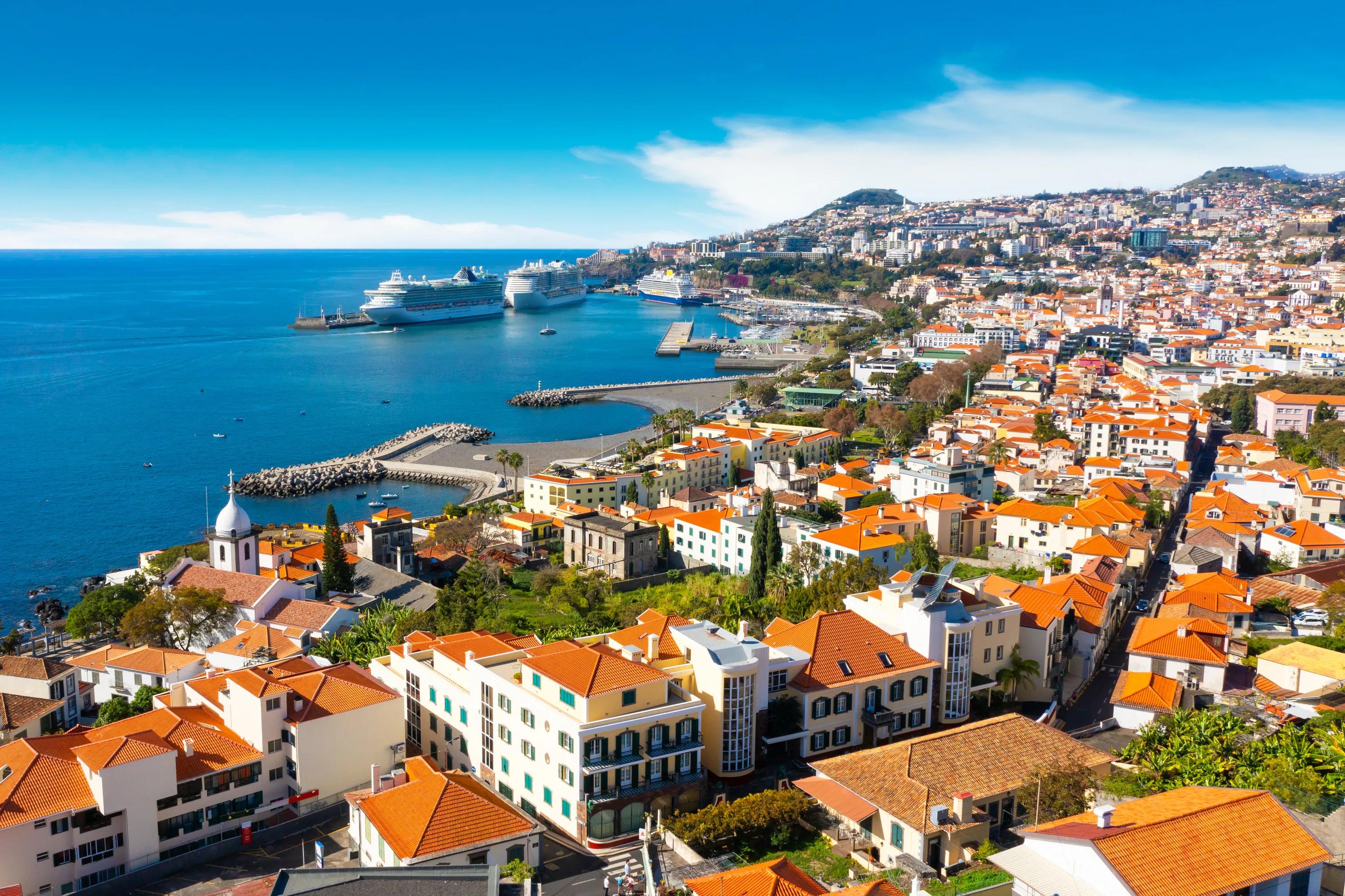
Stay duration: 1 year (renewable) Minimum monthly income: ~€3,280/month (approx. $3,600 USD) Processing time: 2–4 months
Portugal remains one of the most popular destinations for digital nomads in Europe. The D8 Digital Nomad Visa gives remote workers access to the EU's Schengen zone, a high quality of life, excellent healthcare, and a thriving expat community — especially in Lisbon and Porto.
Key requirements:
- Proof of remote employment or freelance contracts
- Health insurance valid in Portugal
- Clean criminal record
- Bank statements showing consistent income
🇪🇸 Spain — Digital Nomad Visa

Stay duration: 1 year (renewable up to 5 years) Minimum monthly income: ~€2,160/month (200% of Spanish minimum wage) Processing time: 20 working days (in-country)
Spain launched its long-awaited digital nomad visa under the "Startup Law" in 2023 and has since refined the program. In 2026, it's one of the most attractive options in Europe — particularly for those who want a Mediterranean lifestyle with strong infrastructure.
Key requirements:
- Proof that at least 80% of income comes from outside Spain
- University degree or 3+ years professional experience
- Valid health insurance covering Spain
- Accommodation proof
🇩🇪 Germany — Freelancer Visa

Stay duration: Up to 3 years Minimum income: Flexible, based on demonstrated self-sufficiency Processing time: Varies (4–12 weeks)
Germany's Freiberufler (Freelancer) Visa isn't exclusively marketed as a "nomad visa," but it's one of the most robust options for self-employed professionals and freelancers in Europe. It's especially well-suited for creatives, consultants, engineers, and developers.
🇨🇷 Costa Rica — Rentista/Digital Nomad Visa
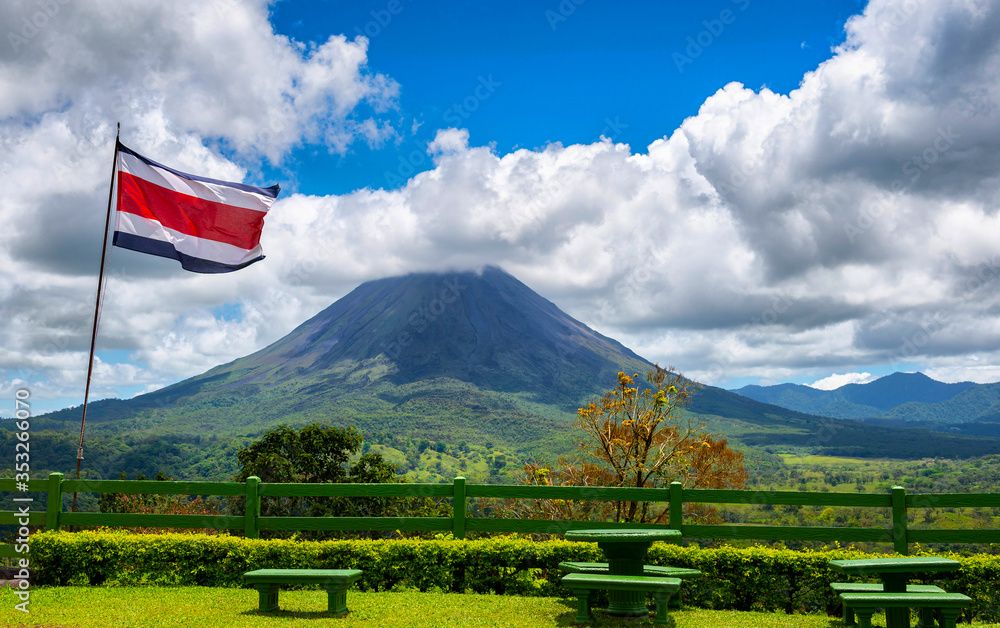
Stay duration: 1 year (renewable) Minimum monthly income: $3,000/month Processing time: 1–3 months
Costa Rica's Digital Nomad Visa is ideal for remote workers who want tropical nature, safety, and proximity to the United States. The country boasts reliable internet, a welcoming expat community, and stunning biodiversity.
🇬🇷 Greece — Digital Nomad Visa

Stay duration: 1 year (renewable for 1 more year) Minimum monthly income: €3,500/month Processing time: 10 business days (in-country)
Greece is rapidly rising as a top-tier digital nomad destination. With a 50% tax discount on income for foreign remote workers (through the non-dom regime), affordable living costs, and breathtaking scenery, it's an increasingly compelling choice.
🇮🇩 Indonesia — Second Home Visa / Bali Nomad Scheme
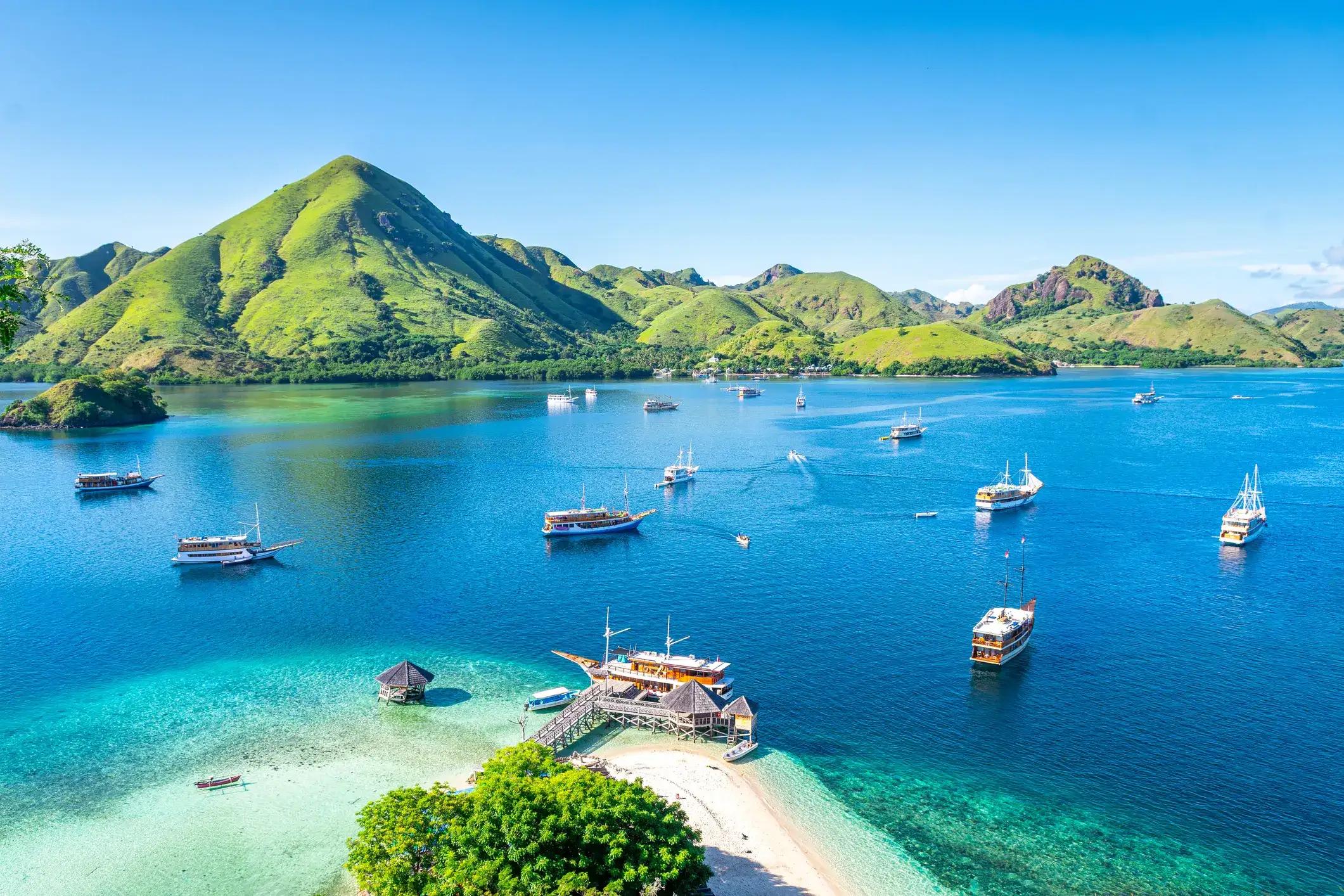
Stay duration: Up to 5 years (Second Home Visa) Minimum requirement: Proof of funds (~$130,000 in a local bank) Processing time: 2–4 weeks
Bali remains one of the world's most iconic digital nomad destinations. While Indonesia's digital nomad visa framework continues to evolve, the Second Home Visa offers one of the longest permitted stays in Southeast Asia.
🇦🇪 UAE — Freelance/Remote Work Visa
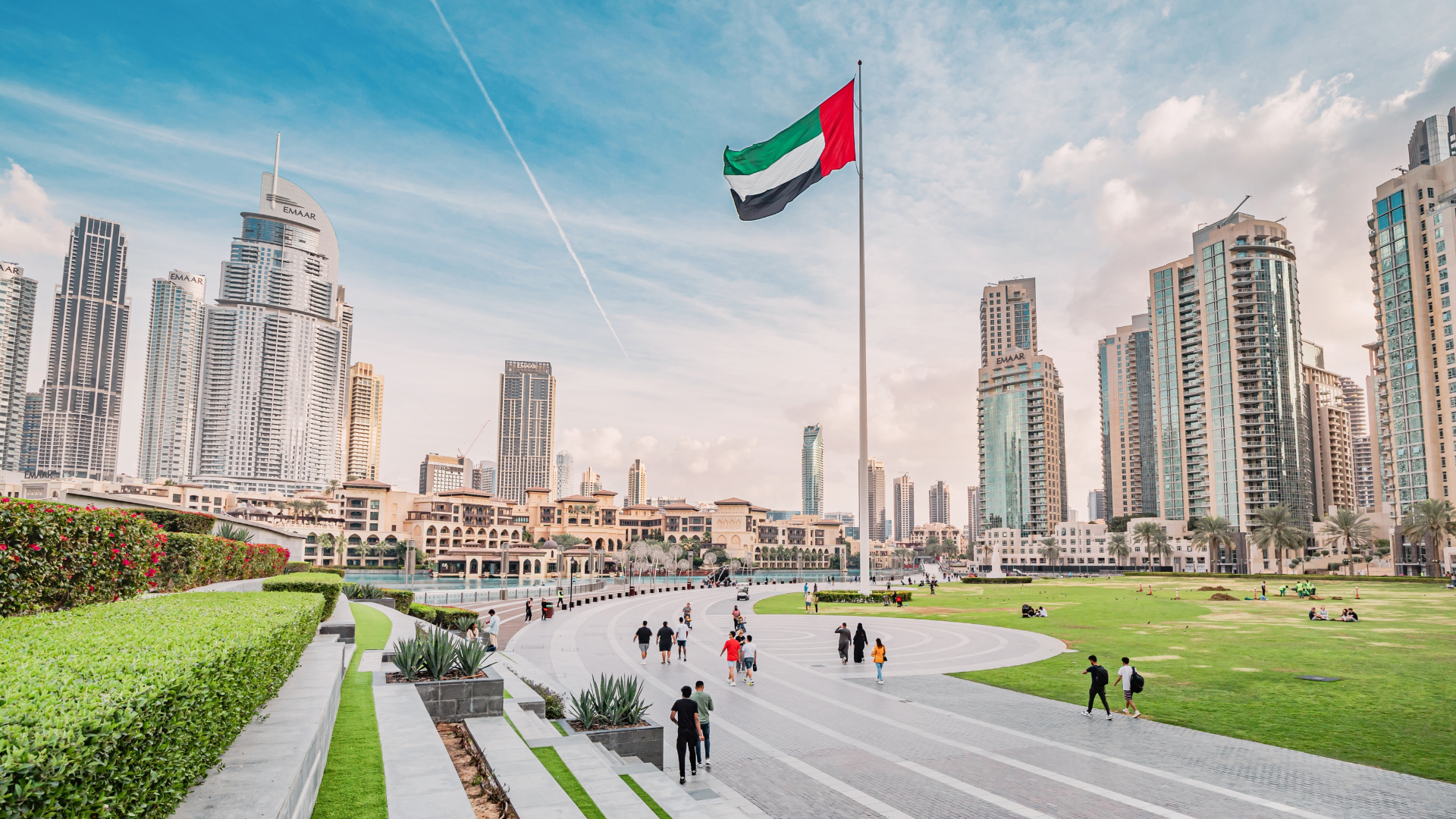
Stay duration: 1–3 years Minimum income: ~$5,000/month (varies by emirate) Processing time: 2–5 weeks
Dubai and Abu Dhabi have aggressively positioned themselves as global hubs for remote professionals. The UAE offers 0% income tax, world-class infrastructure, and a cosmopolitan lifestyle — making it attractive despite a higher cost of living.
🇲🇽 Mexico — Temporary Resident Visa
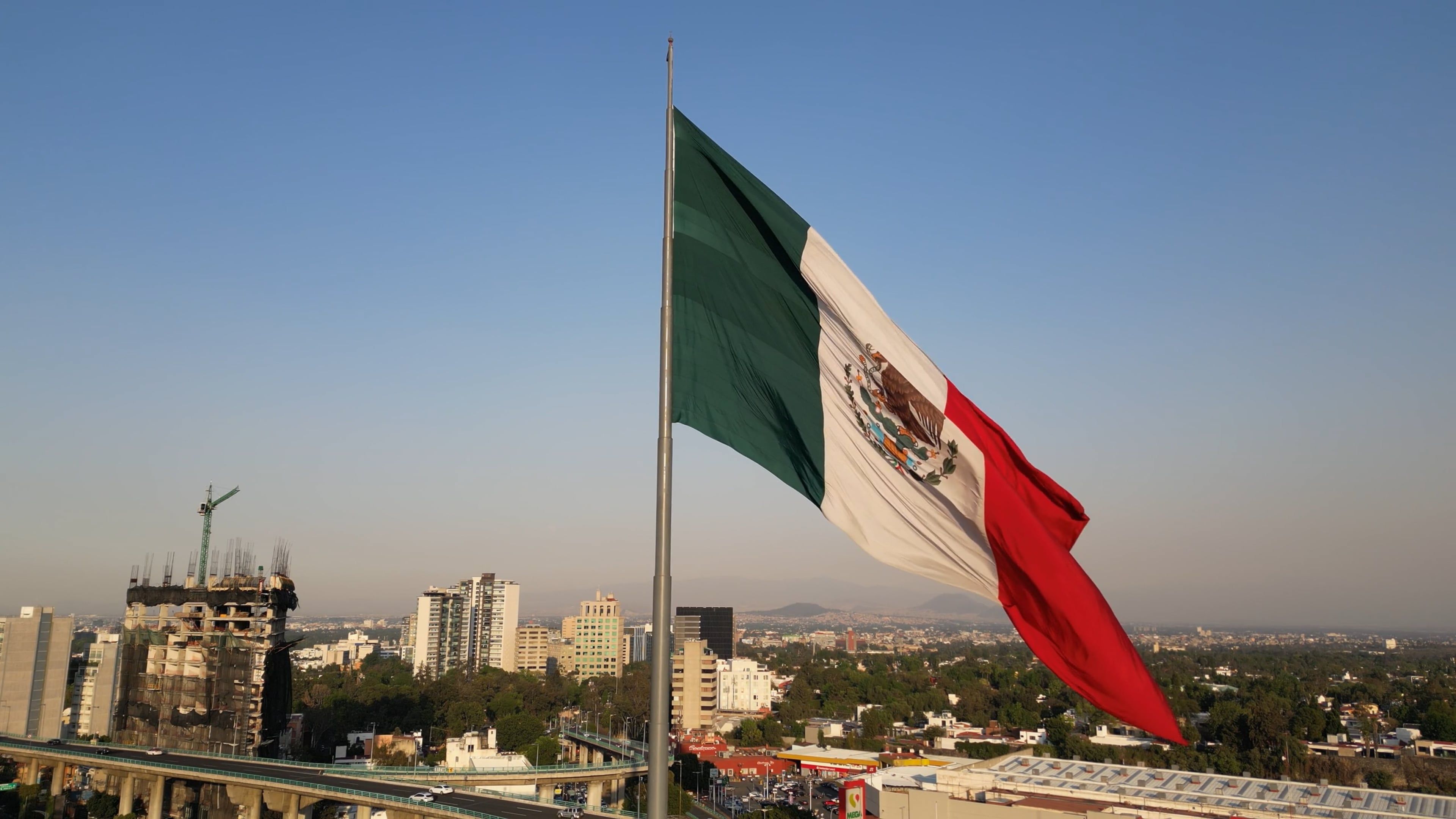
Stay duration: Up to 4 years Minimum monthly income: ~$2,600 USD (or savings of ~$43,000) Processing time: 2–6 weeks
Mexico doesn't have a "named" digital nomad visa, but its Temporary Resident Visa has become the de facto choice for remote workers — especially Americans. With over 1.5 million U.S. expats already living in Mexico, low cost of living, and proximity to the U.S., cities like Mexico City, Mérida, Playa del Carmen, and Puerto Vallarta are thriving nomad hubs.
Key requirements:
- Proof of monthly income for the last 6 months
- Bank statements showing financial solvency
- Apply at a Mexican consulate in your home country
- Convert to residency once in Mexico
🇹🇭 Thailand — Destination Thailand Visa (DTV)
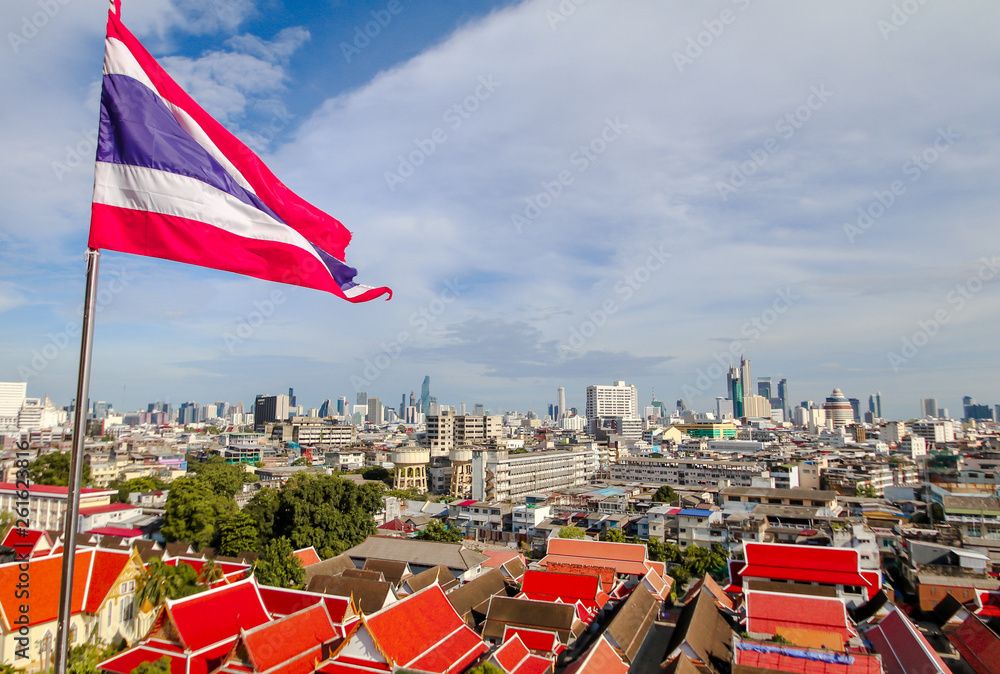
Stay duration: 5 years (180 days per entry, multiple entries) Minimum income: ~500,000 THB (~$14,000 USD) in savings Processing time: 2–4 weeks
Thailand's DTV, launched in 2024 and refined in 2026, is now one of the world's most flexible nomad visas. Bangkok, Chiang Mai, and Phuket offer ultra-fast internet, coworking culture, low costs (you can live well on $1,500/month), and a famously welcoming expat community.
Key requirements:
- Proof of remote work or freelance income
- Health insurance valid in Thailand
- Funds proof of 500,000 THB
Comparison table: Top Digital Nomad Visas in 2026
| Country | Min. Income/Month | Stay Duration | Processing Time | Tax Perks |
|---|---|---|---|---|
| 🇵🇹 Portugal | ~€3,280 | 1 yr (renewable) | 2–4 months | NHR / reduced tax |
| 🇪🇸 Spain | ~€2,160 | 1 yr, can be extend up to 5 years | 20 working days | Beckham Law (24% flat) |
| 🇩🇪 Germany | Flexible amount | Up to 3 years | 4–12 weeks | Standard EU tax |
| 🇨🇷 Costa Rica | $3,000 | 1 yr (renewable) | 1–3 months | Foreign income exempt |
| 🇬🇷 Greece | €3,500 | 1 yr → 2 | 10 business days | 50% income tax cut |
| 🇮🇩 Indonesia | Funds proof | Up to 5 years | 2–4 weeks | Foreign income exempt |
| 🇦🇪 UAE | ~$5,000 | 1–3 years | 2–5 weeks | 0% income tax |
| 🇲🇽 Mexico | ~$2,600 | Up to 4 years | 2–6 weeks | Foreign income exempt |
| 🇹🇭 Thailand | ~$14,000 savings | 5 years | 2–4 weeks | Foreign income exempt |
How to Apply for a Digital Nomad Visa in 2026: Step-by-Step
The application process varies by country, but nearly every digital nomad visa follows the same six-step framework. Here's exactly what to do.
Step 1 — Choose your destination
- Match your priorities to the country's offer. If you want low tax, look at the UAE, Greece, or Portugal. If you want affordability, consider Mexico, Thailand, or Indonesia. If you want EU access, Spain, Portugal, or Germany are unbeatable.
Step 2 — Verify your eligibility
- A minimum monthly income (between €2,000 and €5,000 depending on country)
- Proof you work remotely for clients or employers outside the destination country
- A clean criminal background check (apostilled)
- Valid international health insurance
- Sometimes: university degree or 3+ years professional experience
Step 3 — Gather your documents
You'll typically need:
- Valid passport (6+ months validity)
- Last 3–6 months of bank statements
- Remote work contract or business registration
- Criminal background check (apostilled and translated)
- Health insurance certificate covering the destination
- Proof of accommodation (rental contract, hotel booking, or invitation letter)
- Recent passport-sized photos
Step 4 — Submit your application
Applications are usually submitted in one of two ways:
- At a consulate in your home country (Portugal, Spain, Greece — typically before arrival)
- In-country after entering on a tourist visa (Spain, Greece, and some others allow this — often faster)
Pay the visa fee (usually €60–€200) and book your biometrics appointment.
Step 5 — Wait for processing
Processing times range from 10 business days (Spain in-country) to 4 months (Portugal). Don't book one-way flights or non-refundable rentals until you have official approval.
Step 6 — Arrive, register, and settle in
Once approved, you'll need to:
- Enter the country within the visa's validity window
- Register with local authorities (within 30–90 days, depending on country)
- Apply for a residence card (TIE in Spain, AIRE in Italy, etc.)
- Open a local bank account
- Sort out your tax residency status
Once Approved, Plan Your Move with Confidence
Getting your digital nomad visa is only half the journey — the other half is actually relocating your life. From shipping belongings across borders to navigating customs, choosing the right international moving company can make or break your transition.
Get Free Moving Quotes
At ReloAdvisor, we help you compare verified international moving companies tailored to your route, your timeline, and the volume of items you're moving. Get free quotes from trusted movers in minutes — so you can focus on your new life, not logistics.
Compare moving quotesFrequently Asked Questions
Can I apply for a digital nomad visa without a remote job?
Most countries require either a remote employment contract or proof of freelance income. Some, like Mexico, accept savings as alternative proof.
Which digital nomad visa is the easiest to get in 2026?
Spain and Greece have the fastest in-country processing (10–20 business days). Mexico's Temporary Resident Visa is widely considered the easiest for Americans.
Do digital nomad visas lead to permanent residency?
Several do — Spain, Portugal, and Germany offer a path to long-term residency and eventually citizenship after 5 years of legal residence.
Do I have to pay taxes in the country where I hold a digital nomad visa?
It depends on how long you stay. Most countries consider you a tax resident after 183 days per year. Some, like Portugal (NHR) and Spain (Beckham Law), offer special tax regimes that can dramatically reduce your liability.
Can my family come with me on a digital nomad visa?
Yes — almost every country with a DNV allows spouses and dependent children as accompanying family members, with proof of additional income (usually +50% per dependent).
Final word
2026 is the strongest year yet to make the leap. With 60+ countries offering legitimate, accessible programs, the only thing standing between you and your remote-work dream is the application itself. Pick your country, prepare your documents carefully, and start your move with confidence.